

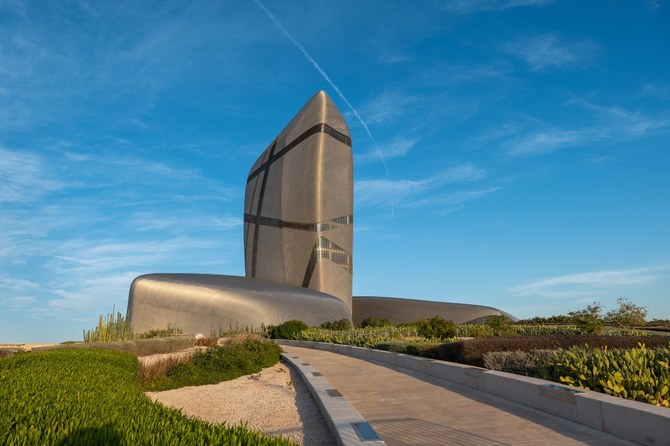

JEDDAH: The King Abdulaziz Center for World Culture has released a two-year comprehensive study mapping the cultural and creative scene in Saudi Arabia and surrounding region.
Ithra, a leading cultural think tank in the region, commissioned three reports with the Economist Intelligence Unit and local partners to better understand the evolution of the artistic and creative industry in the Kingdom and the broader Middle East and North Africa. In a statement, the center said that the research “took the pulse of the public” on their creative and cultural experiences as the sector undergoes a radical transformation in the wake of the COVID-19 pandemic.
The study includes responses from more than 5,000 people across 10 cities: Beirut, Cairo, Dammam, Dubai, Jeddah, Kuwait City, Manama, Muscat, Riyadh and Sharjah. It also features interviews with more than 20 regional experts from different fields, including policymakers, academics, artists and curators. The research also reviewed a wide range of reports to shed light on the most pressing issues in the region’s cultural and creative sector.
Fatmah Al-Rashid, head of strategy and partnerships at Ithra, said that the center hopes that the research will be “a resource for policymakers as well as the public, challenging perceptions and inspiring dialogue on the state of an industry.”
HIGHLIGHT
The study includes responses from more than 5,000 people across 10 cities: Beirut, Cairo, Dammam, Dubai, Jeddah, Kuwait City, Manama, Muscat, Riyadh and Sharjah. It also features interviews with more than 20 regional experts from different fields, including policymakers, academics, artists and curators. The research also reviewed a wide range of reports to shed light on the most pressing issues in the region’s cultural and creative sector.
She urged the importance of activating cultural participation in the region by focusing on “making it available to all” in terms of providing the necessary platforms, and contributing to the implementation of initiatives that will make culture part of public education programs.
The research uncovers several theme-specific trends related to cultural demand and consumer preferences across the MENA region, with history and heritage emerging as the most popular theme, followed by film and television.
It also points to several challenges hindering cultural engagement, such as limited public expenditure and support in some countries, economic and political instability in others, limited presence of culture in the mainstream education system, lack of information and awareness, and a relative scarcity of family-oriented activities and facilities, with a particular need for children-specific content.
As a result, the study recommends policy measures to accelerate the cultural participation of policymakers and service providers, who should focus making cultural participation more inclusive. The study further suggests that supporting the involvement of low-income groups, governments and communities will promote life-long cultural learning in the region. Through a greater emphasis on education, cultural institutions in MENA can learn from each other’s distinct strengths to help boost participation in the sector.


