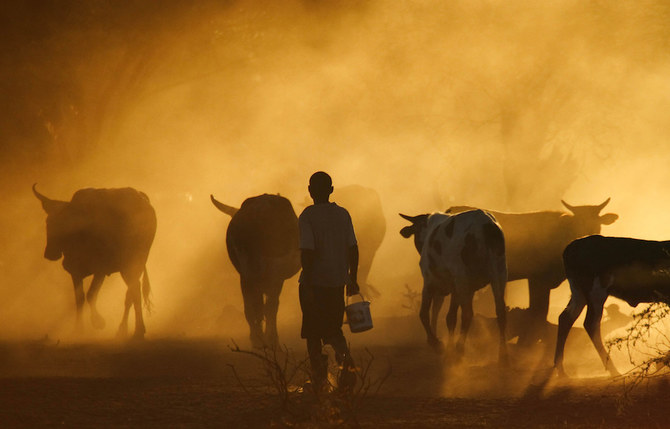

DUBAI: A Saudi-based organization has partnered with leading researchers and humanitarian agencies to harness the power of data and technology in the hope of preventing climate shocks from causing hunger among vulnerable livestock-farming communities.
Community Jameel announced in September the creation of the Jameel Observatory for Food Security Early Action to help tackle the growing threat to such communities from increasingly severe and frequent climate-related disasters.
Its launch coincided with preparations for COP26, the UN Climate Change Conference, which begins in Glasgow on Sunday. World leaders will gather in the Scottish city to discuss collective action on carbon emissions, fossil fuels and other efforts to prevent global temperatures rising 1.5 degrees Celsius above pre-industrial levels, a target set by the Paris Agreement in 2015.
The new venture combines the expertise of five partners, including the University of Edinburgh, the International Livestock Research Institute, Save the Children, the Abdul Latif Jameel Poverty Action Lab and Community Jameel.
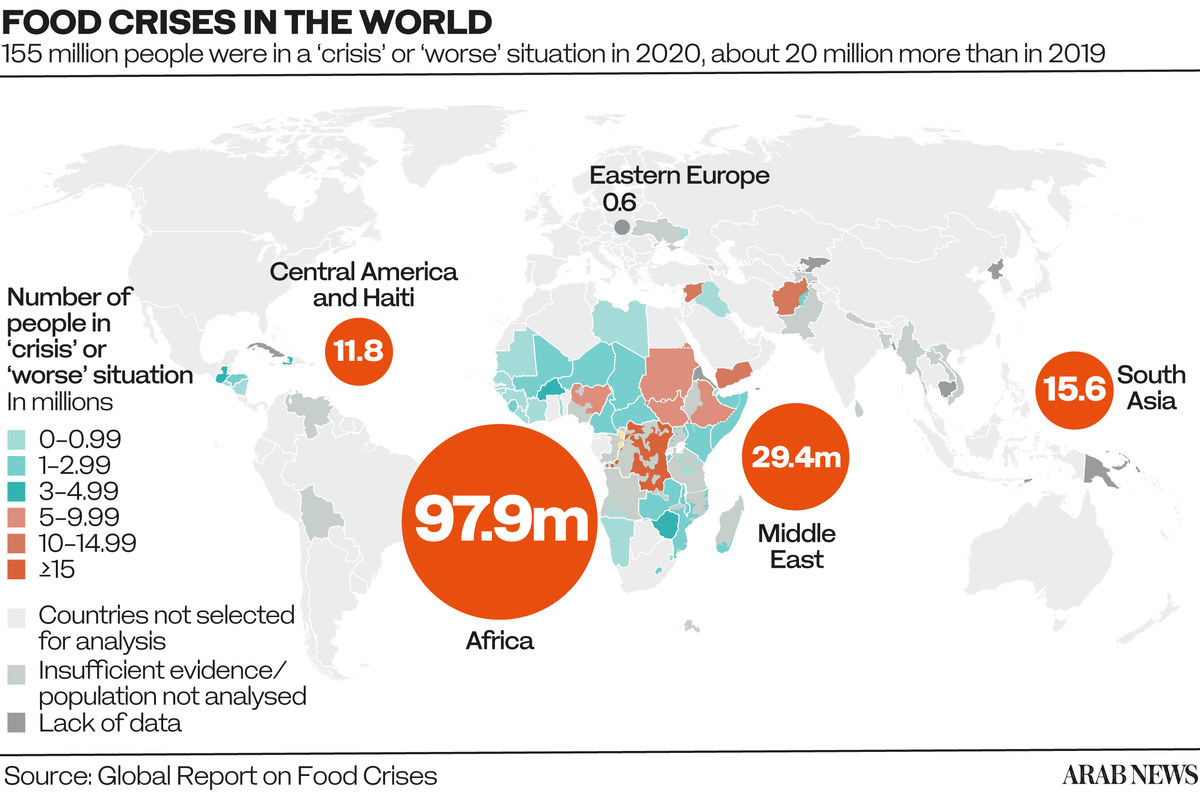
Rising temperatures mean droughts are becoming more frequent, depriving livestock of reliable water sources and turning once lush pasture into desert. By recording changes at a local level, the observatory aims to help communities adapt and adjust before disaster strikes.
“Community Jameel has for a long time been focused on the question of food security and, particularly, how climate change puts pressure on access to safe and plentiful food,” George Richards, Community Jameel’s director, told Arab News. “But we gradually saw an increase in need and pressure on access to food, as a result of increasing pressures from climate change.”
Community Jameel, an international non-governmental organization, was launched to tackle some of the world’s most pressing issues using an approach grounded in evidence, science, data and technology. In 2014, it established an institution at the Massachusetts Institute of Technology, the Jameel Water and Food Systems Lab, that focuses on developing new technologies and solutions for clean water and food security.
“We went back to our roots and thought about how we can support researchers and scientists who are using data and science effectively to monitor, forecast and give early warnings about outbreaks of hunger, famine and other drivers of malnutrition, particularly where those are the result of climate change,” Richards said.
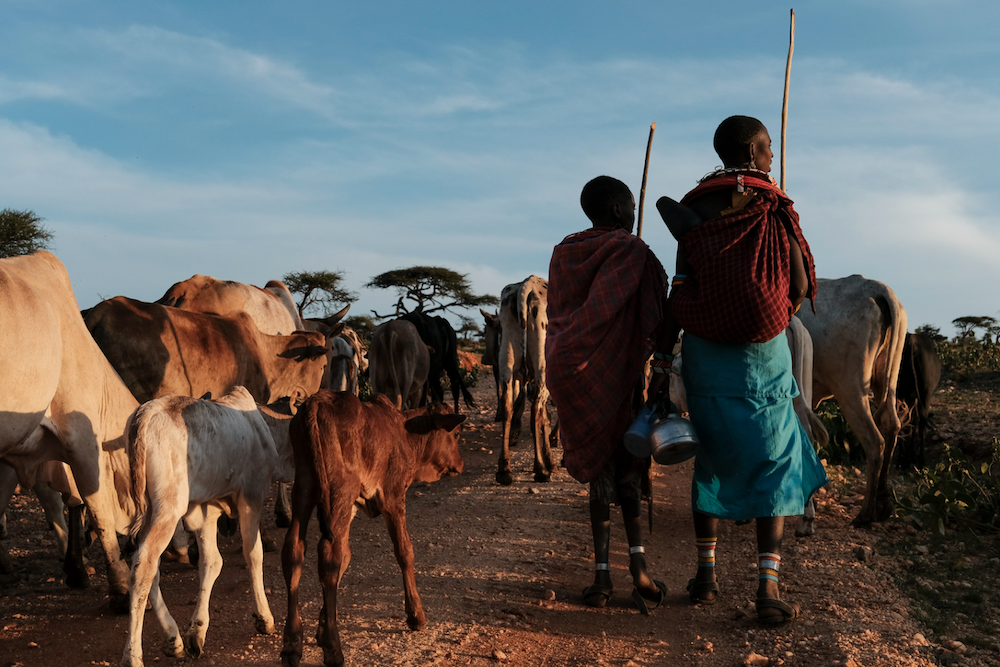
Ethiopian pastoralists tends their herd. (Supplied/ILRI)
The observatory partnership combines cutting-edge technology and data surveillance to detect the early-warning signs of severe weather events and systemic climate change with community-driven applications and interventions.
The Jameel Observatory is collaborating with agencies that work with farmers to develop and apply digital and analytical tools that can help farmers shape their own food security, nutrition and livelihoods.
Researchers plan to use community-level data along with satellites, drones, weather data and remote sensing to understand, prepare for and mitigate the likely effects of climate shocks.
The observatory’s first project aims to fill the evidence gaps that currently prevent effective forecast-based action to protect livelihoods and nutrition in parts of East Africa.
As climate change takes center stage at COP26, a sharp focus has been placed on the need to be fully prepared for the vulnerabilities, shocks and stresses triggered by the changing climate.
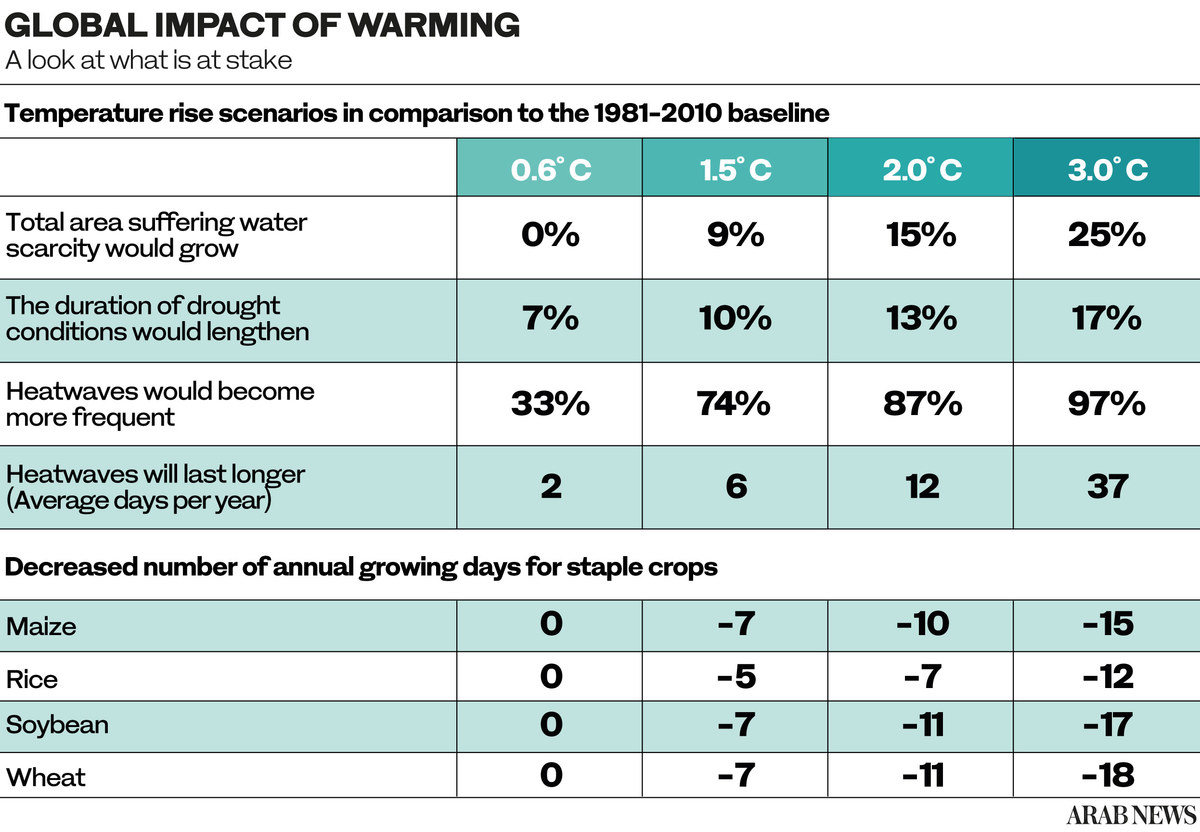
With drylands accounting for about 40 percent of the world’s land mass, many communities are at risk from fluctuating rainfall, drought, rising temperatures and land degradation.
“In a world increasingly impacted by climate change, forecasting the impact of droughts and severe weather on hunger and malnutrition, and acting early to stop lives from being lost, is of urgent importance,” Joanne Grace, head of hunger and livelihoods at humanitarian organization Save the Children, told Arab News.
“Getting it right would be monumental for the health of children for decades to come. The Jameel Observatory aims to help ensure that acting early to prevent food crises becomes the norm rather than the exception.”
According to the UN Food and Agriculture Organization, dryland ecosystems are home to about 25 percent of the global population, contain half of the world’s livestock and 27 percent of its forests, while storing 30 percent of soil organic carbon and supplying about 60 percent of food production.
However, climate change is resulting in longer periods of drought and accelerated desertification in drylands. This is affecting biodiversity and vegetation cover, which in turn reduces soil fertility and undermines food, nutrition and human security.
“Climate change can therefore push already fragile ecosystems and local communities beyond coping capacity, resulting in forced displacement, increased migration, and tensions related to natural resource access and use,” the FAO said in a paper launched at the UN Food Systems Summit in New York in September.
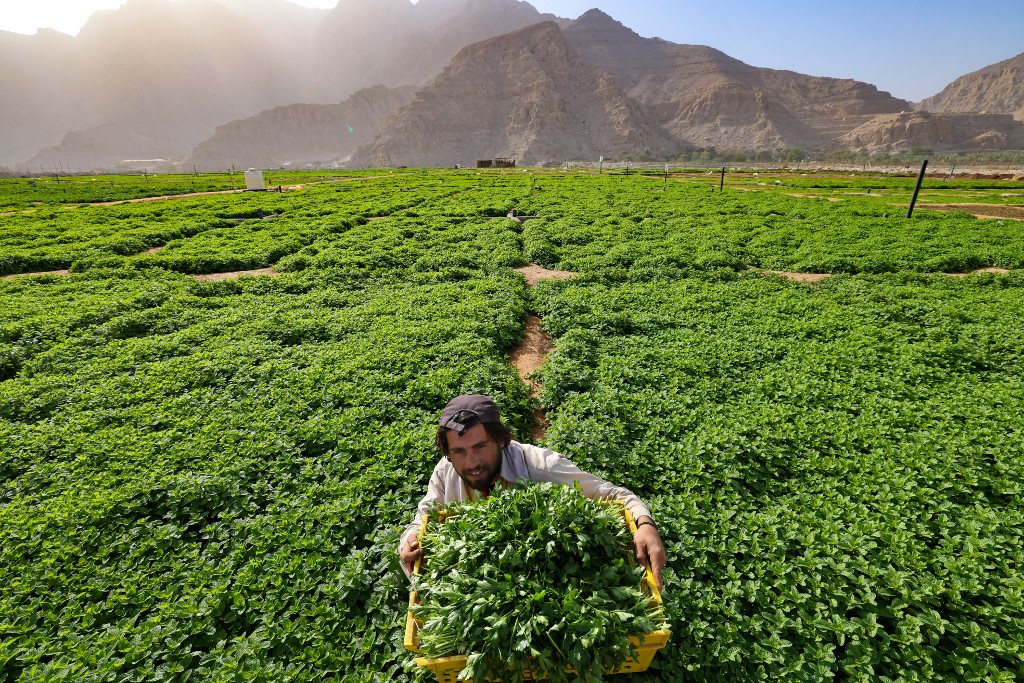
A farmers havests leafy vegetables in a field on the mountain range of Jabel Jais, in Ras Al Khaimah, on January 24, 2021. (AFP/File Photo)
The Jameel Observatory examines the relationship between climate change and health to try to mitigate the threat from rising temperatures as a driver of hunger and famine. The organization has partnered with Aeon, a Riyadh-based think tank, to coordinate and convene researchers in Saudi Arabia and internationally to examine this relationship.
“There is a lot of external research about the risks that accelerating climate change will impose, particularly in places that have climates which are naturally hot and humid, including the Gulf,” Richards said.
“What they call the rise of the ‘wet-bulb temperature,’ which is the combined measure of heat and humidity, could make parts of the Gulf uninhabitable in a few years. But there is very little research that is actually done by or with researchers in Gulf Cooperation Council countries.”
That is why the initiative has also brought together researchers from King Abdullah University of Science and Technology, the King Abdullah Petroleum Studies and Research Center, MIT, the Abdul Latif Jameel Poverty Action Lab, the Jameel Water and Food Systems Lab, and Imperial College in London to untangle the relationship between health and climate change in the GCC area. Their findings are expected in April 2022.
In parallel, Community Jameel will be co-hosting an event in the Saudi Pavilion at COP26 in partnership with Aeon, at which researchers will present some of their interim findings. Along with the Jameel Observatory, it will also welcome representatives of organizations from Nairobi, the UK and the US, in collaboration with Cooking Sections, an arts duo based in London who were nominated for the 2021 Turner Prize.
“Their arts practice is focused on the question of food and sustainability,” Richards said. “So Community Jameel, Cooking Sections and Michelin Star chefs are coming together to co-curate a culinary gastronomic experience to emphasize the importance of sustainable food systems, which is at the core of what the Jameel Observatory is trying to do in terms of leveraging data to make food systems more efficient and mitigate the risks of outbreaks of famine and hunger.”
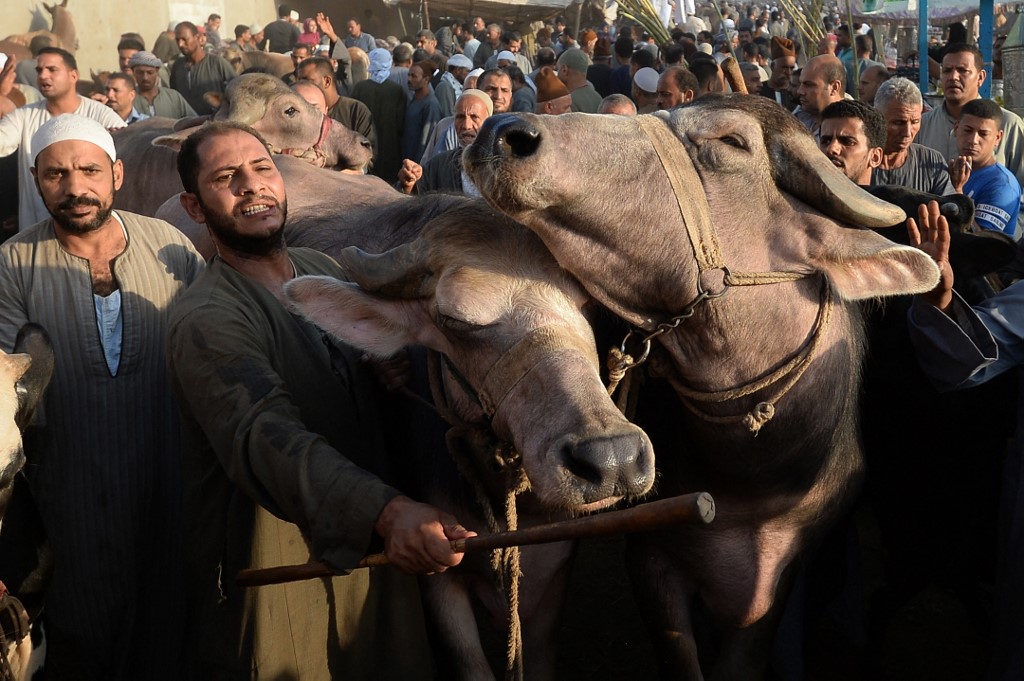
Rising temperatures mean droughts are becoming more frequent, depriving livestock of reliable water sources and turning once lush pasture into desert. (AFP/File Photo)
Richards also highlighted the opening season of Hayy Jameel, Art Jameel’s new hub in Jeddah that is due to open on Dec. 6, which will have a strong focus on questions relating to food.
“There is something so fundamental to the way that human society tends to construct itself around food, that even the most basic act of community is centered around breaking bread or the joint meal together,” he said.
“And, as we face greater challenges, whether it’s from the COVID-19 pandemic or climate change, there is an ever-greater need for humanity to lock hands and work together to tackle those challenges.
“For us, it’s really in our name. We are all about community and we feel that food is at the heart of that community. So making sure that people everywhere have access to safe and plentiful food is really at our core.”
--------------
Twitter: @CalineMalek