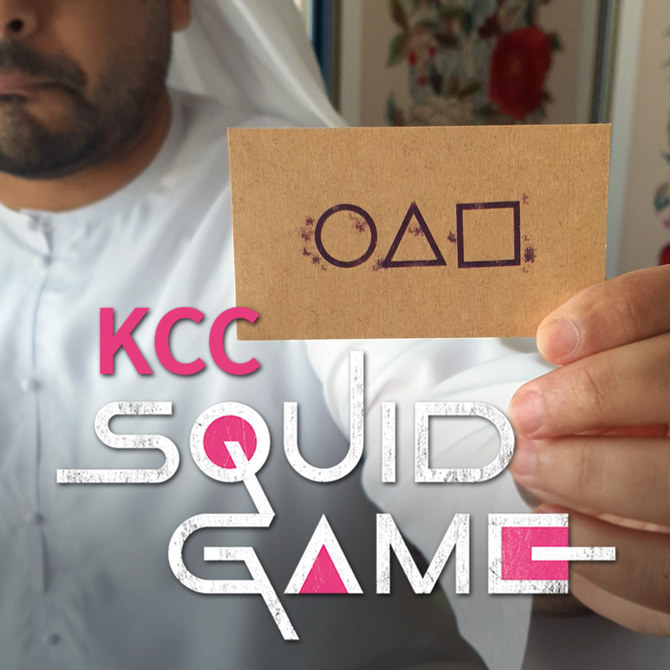
DUBAI: UAE fans of “Squid Game” will get the chance to try the games seen on the hit Netflix show during an event organized by the Korean Cultural Centre in Abu Dhabi, but of course without the incredible violence depicted on the series.
The event, set for next Tuesday, will offer a selected group of people for an opportunity to play the games in Squid Game such as Red-light green-light, Dalgona candy challenge and Marbles game.
The real-life UAE version of the Netflix flick will have two game sessions, with 15 invitees for each session.
Since its release, the Korean drama has gripped viewers worldwide, including the UAE.
The nine-episode show has topped Netflix’s global viewership charts, the company’s chief content officer Ted Sarandos revealed last week.
It tells the story of 456 cash-strapped contestants who are risking their lives for a tempting cash prize.


![]()

Red Light, Green Light: Real-life Squid Game to be held in the UAE, but without the violence
Short Url
https://arab.news/6j6f3
Red Light, Green Light: Real-life Squid Game to be held in the UAE, but without the violence


Latest updates


© 2026 SAUDI RESEARCH & PUBLISHING COMPANY, All Rights Reserved And subject to Terms of Use Agreement.