

Parents of children killed in school massacre denounce government’s talks with Pakistan Taliban

Parents of children killed in 2014 in a Pakistan Taliban attack on a military school hold a protest against the government in Peshawar, Pakistan, on October 7, 2021. (AN Photo)
Short Url
Updated 08 October 2021
Follow

Parents of children killed in school massacre denounce government’s talks with Pakistan Taliban

  • PM Khan said recently his government had opened talks with the indigenous Pakistani Taliban about laying down arms
  • Parents hold protest rally in Peshawar, say its not PM’s “prerogative” to decide on talks or pardon school attackers

PESHAWAR: Just days after Prime Minister Imran Khan said his government was in talks with factions of the Pakistani Taliban, a banned militant group responsible for some of the country’s worst attacks, grieving parents of children killed in a 2014 militant assault denounced any negotiations with, or amnesty for, the banned group.
On December 16, 2014, 134 children and 19 adults were killed in a Pakistan Taliban (TTP) assault on a military school, the deadliest militant attack in the country’s history. Thousands of Pakistanis have been killed in violence launched by the TTP in the last two decades and the group has accepted responsibility for several high profile attacks, including an assassination attempt on activist and now Nobel prize winner Malala Yousafzai.
Last week, Prime Minister Imran Khan said his government was holding talks with factions of the Pakistani Taliban and would forgive members who lay down weapons. In a statement soon after Khan’s interview, the TTP called on its fighters to continue their attacks. The group denied divisions in its ranks and made no acknowledgement of the ongoing talks.
On Thursday evening, parents of children killed in the assault on the Army Public School (APS) gathered in Peshawar, the main town in Pakistan’s northwestern Khyber Pakhtunkhwa province, for a protest rally.
“Who has given the right to the prime minister to pardon our killers?” Muhammad Tahir, the father of late student Shaheer Khan, told the media at the protest. “We’ll never ever allow you to do this. We want to publicly hang the killers of our children.”
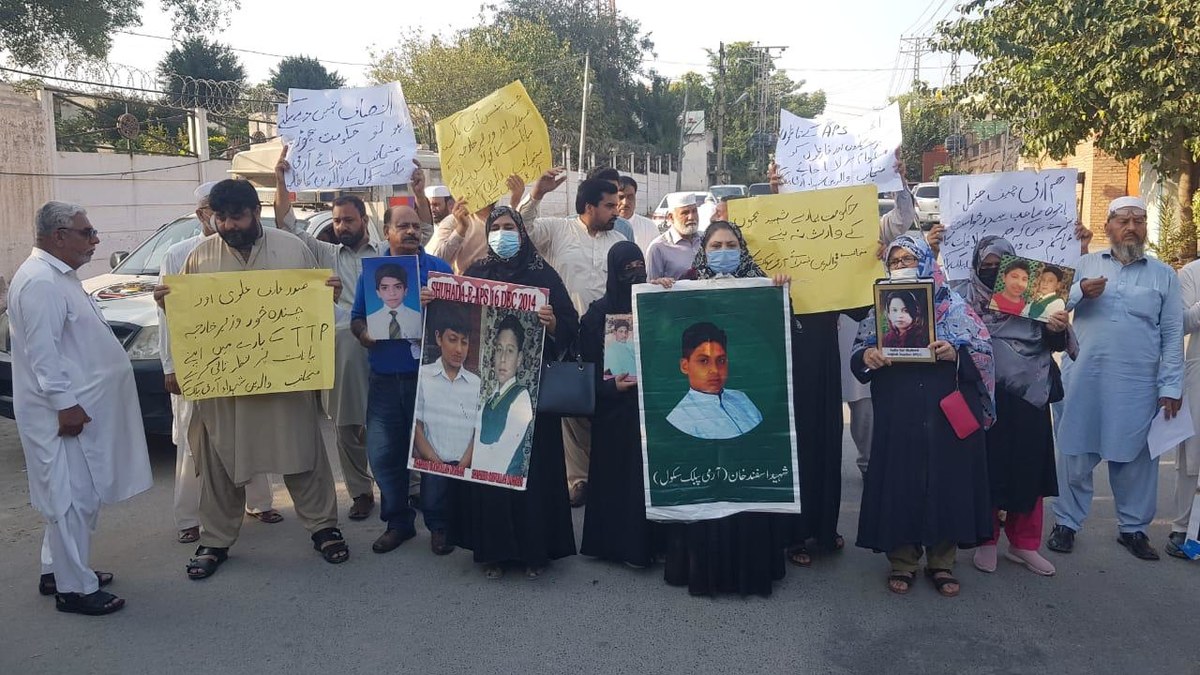


Parents of children killed in 2014 in a Pakistan Taliban attack on a military school hold a protest against the government in Peshawar, Pakistan, on October 7, 2021. (AN Photo)

“We don’t want the killers of our children to be pardoned so easily,” Zulaikha Bibi, the mother of Sadia Gul, a teacher who was killed in the 2014 attack, told Arab News. “This isn’t his [prime minister’s] prerogative but the right of families.”

Shahana Ajmal, the mother of late student Asfand Khan, said she was protesting Khan’s plan to hold negotiations with the TTP.
“Are you [prime minister] shaking hands and holding talks with those beasts who martyred our children?” she said. “Aren’t the lives lost of our children enough? We don’t accept this decision [to hold talks].”
“It is said that one round of talks has been held,” she added. “Why are we not consulted and don’t we have any share in this?”
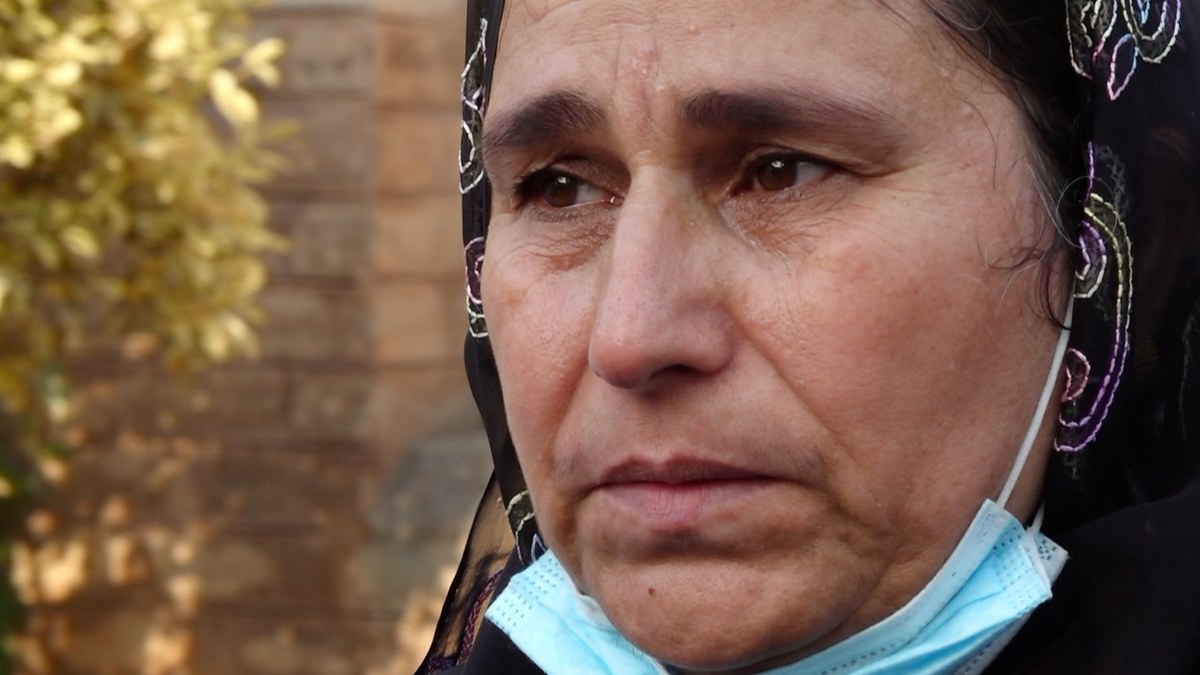


A mother of a student killed in 2014 in a Pakistan Taliban attack on a military school at a protest demonstration against the government in Peshawar on October 7, 2021. (AN Photo)


Pakistan says mosque data collection in Indian-administered Kashmir violates religious freedom

Updated 17 January 2026
Follow

Pakistan says mosque data collection in Indian-administered Kashmir violates religious freedom

  • Indian police distributed forms to collect details of mosques, including finances of institutions and personal details of imams
  • The exercise has triggered widespread concern in the territory, with a local leader calling it ‘infringement of the religious freedom’

ISLAMABAD: Pakistan on Saturday condemned reported profiling of mosques and their management committees in Indian-administered Kashmir, calling it “blatant intrusion into religious affairs.”

Police distributed forms to local officials to collect details of mosques, seminaries in Indian-administered Kashmir, including finances of the institutions, personal details of imams and members of management committees, Hindustan Times reported this week, citing residents.

The police referred to the busting of a “white collar terror module” last year, which included an imam, as the reason for the exercise that has triggered widespread concern in the territory, with National Conference leader Aga Ruhullah Mehdi calling it “infringement of the religious freedom.”

Pakistan’s foreign office said the forcible collection of personal details, photographs and sectarian affiliations of religious functionaries amounts to systematic harassment, aimed at “instilling fear among worshippers and obstructing the free exercise of their faith.”

“This blatant intrusion into religious affairs constitutes a grave violation of the fundamental right to freedom of religion and belief, and reflects yet another coercive attempt to intimidate and marginalize the Muslim population of the occupied territory,” the Pakistani foreign office said.

There was no immediate response from New Delhi to the statement.

Kashmir has been divided between Pakistan and India since their independence from Britain in 1947. Both countries have fought two of their four wars over the disputed region, which is ruled in part but claimed in its entirety by both India and Pakistan.

The Pakistani foreign office said the people of Indian-administered Kashmir possess an inalienable right to practice their religion “without fear, coercion or discrimination.”

“Pakistan will continue to stand in solidarity with them and will persist in raising its voice against all forms of religious persecution and intolerance targeting Kashmiris,” it added.