JEDDAH: A short film showcasing some of the culinary delights Saudi Arabia’s Al-Ahsa region is famous for has been honored with an award at a prestigious international event.
“Taste of Al-Ahsa” was named Best Potential World Region of Gastronomy Film at the International Institute of Gastronomy, Culture, Arts and Tourism’s Food Film Menu 2021 event.
The film packs a lot of Al-Ahsa’s food-related attractions and traditions into its running time of just over a minute, including authentic traditional Hassawi dishes and freshly picked dates from the region’s oases. It also features traditional music and dance and local arts and crafts, such as bisht (a traditional Arab men’s cloak) making.

The film is one of five in a series titled “The Senses of Saudi Arabia,” each of which explores a location in the Kingdom as experienced through one of the five senses. The others focus on Jeddah, Najd, Tabouk and Jazan.
The Al-Ahsa film aims to capture the essence, spirit and beauty of a region known for its rich cultural heritage dating back centuries, including culinary traditions influenced by years of migration that created unique local cuisines.
Traditional farming techniques are also featured in the film, which aims to showcase the region as a destination for tourists interested in culinary traditions and food experiences.
The Saudi Tourism Association came up with the idea for the series of promotional films in collaboration with Merak, a media and production company with a team of creative Saudi minds led by Ali Al-Rashidi.
Talking about the idea behind the Al-Ahsa film, he told Arab News: “It is unique and it highlights many important cultural aspects and Saudi historical legacies, including the true taste of Al-Ahsa food and flavors, in a minute.”
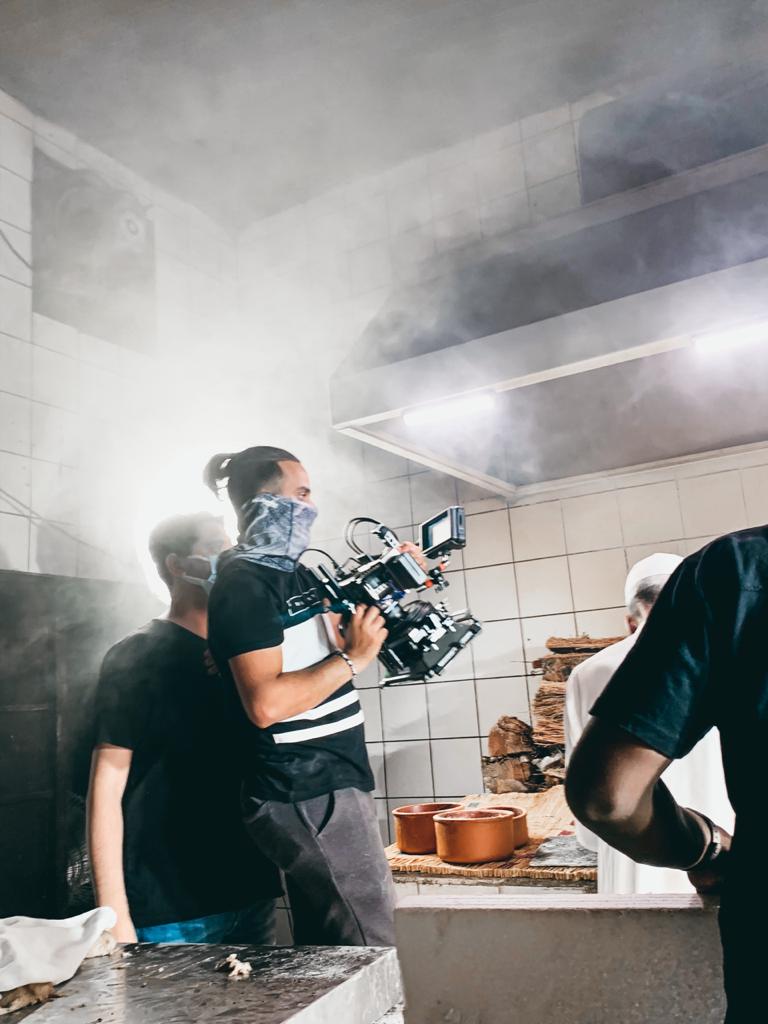
The team that made the film said that with only 12 days to shoot it, they faced a difficult task because there were so many options for things to include and they wanted to share as many of them as possible with the world.
“Al-Ahsa has a vibrant, versatile culture for tourists to live the full experience, from its signature traditional flavors to its prominent palm trees and heavenly agricultural nature,” said creative director Ahmad Eid.
The soundtrack to the film includes Hassawi farmers singing a celebratory folk song after a successful harvest season. Eid said that the music is an inherited part of the Hassawi heritage of “Daq Al-Hab,” which translates to English as “bean grinding.”
Mohammed Al-Juraibi, the film’s music producer, told Arab News: “After harvesting season, Hassawi farmers start to crush and grind the crop of beans using a wooden, branch-like stick to turn them into flour and other products. During that process the farmers traditionally sing a rhyming rhythm of folkloric chants until they finish.”
Majeed Hattaf, the producer of the “Senses of Saudi Arabia” series, said it had been challenging to assemble a team able to combine the Al-Ahsa film’s visuals with creative music production to create a distinctive audio identity for the region.
“The most important aspect of this film is the music, in my view,” he added. “The sound of each scene creates an artistic scene that stirs emotions.”
He added that production of the five films took about three months to complete but this timescale does not fully reflect the huge amount of effort went into the process.
For example, finding locations with the specific flowers and crops he wanted to feature in the Al-Ahsa film, such as okra, onions and sunflowers, was challenging because they grow at different times of the year. But they were essential for getting across the character of the region.
“Food is not only considered as nutrition for the people of Al-Ahsa but rather it makes up their festive gastronomy culture,” said Eid.

Majeed Hattaf
The film highlights some of the traditional dishes unique to Al-Ahsa, including a rice dish called kabsa hasawiya, and a thin, crispy sweetened bread served as a cracker with tea.
“We highlighted khobz alhamar, or red bread, which is one of the most famous Hassawi foods still found and baked in traditional bakeries,” said Eid. “The bread is red because date paste is added. Also … sunflower seeds are featured as they represent a popular healthy Hasawi snack.”
In addition to traditional Hassawi dishes and delicacies, the film also highlights practitioners of traditional Al-Ahsa crafts, including tailors who make bishts and silversmiths who create jewelry.
“We truly felt the warm feeling that this film conveys to viewers while we were filming, as Hassawis are known for the warm welcome they offer their guests,” Eid said.
“The kindness of the people was a valuable asset to this film. It is not the producers who made it great and good enough to win a prize, but rather the people of that region who showed who they are by being themselves in front of the cameras.”