


JEDDAH: In the three years since cinemas reopened in Saudi Arabia, international films, and anime in particular, have proven to be hugely popular and successful. However there is a growing demand from local moviegoers for more Arabic content, according to a local industry expert.
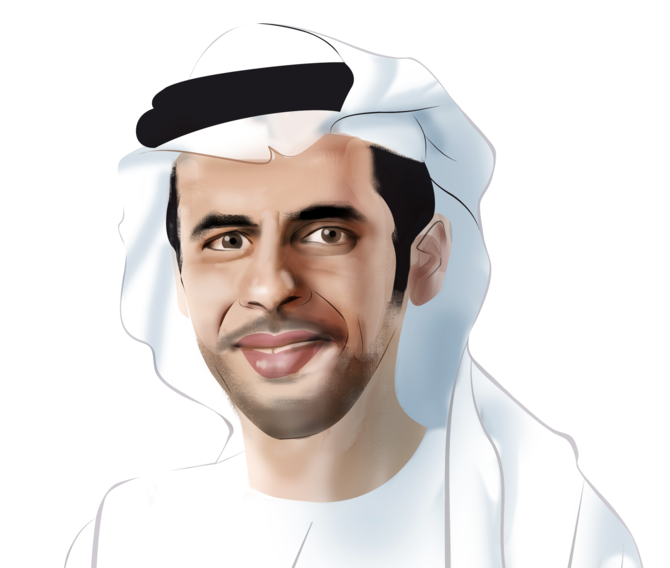
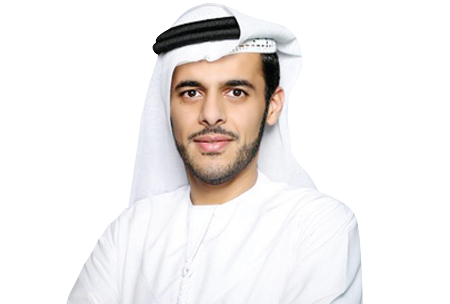
Mohammed Al-Hashemi is the country head in Saudi Arabia for leisure, retail and entertainment business Majid Al-Futtaim, the parent company of VOX Cinemas. In an exclusive interview with Arab News, he said that the chain’s movie theaters in the Kingdom attract a wide range of customers with diverse tastes in film.
“As a guest-centric brand, we screen a large variety of movies to cater to the different preferences of our guests,” he added.
He said that demand for international blockbusters is high, including a huge appetite for Japanese anime such as the recently released “Demon Slayer,” which was a massive box-office hit. But he added that local audiences also want more locally produced films.
“The success of movies such as (comedy-drama) ‘Mesh Ana’ and (horror-comedy) ‘El Ens W El Nems’ demonstrates to us that audiences are craving Arabic content, and we are committed to diversifying our content and ensuring that premium Arabic-language feature films are made accessible to our discerning audiences,” said Al-Hashemi.
As part of this commitment, an exclusive distribution deal was signed with leading Saudi Arabian animation studio Myrkott in 2018 to screen its first feature, “Masameer,” across the Middle East and North Africa.
“The following year, we distributed ‘Born a King’ (a drama about the diplomatic events surrounding the formation of what would become Saudi Arabia) regionally, which proved a huge hit with cinemagoers, and signed a partnership with Manga Productions to bring ‘The Journey,’ the first-ever Saudi-Japanese anime, to the big screen,” Al-Hashemi said. He also a highlighted a landmark major production partnership with Image Nation Abu Dhabi and MBC Studios for films across the MENA region.
“The partnership with MBC will greenlight several projects annually, representing a significant boost to the region’s growing film, TV and entertainment industry, particularly in Saudi Arabia,” he said.
Speaking about the success of VOX Cinemas in the first three years of operation in the Kingdom, Al-Hashemi said that since its first cinema opened in Riyadh in 2018 the business has expanded rapidly to include 149 screens at 14 theaters in five cities.
“VOX Cinemas introduced multiplexes for the first time in all five of those cities and we are currently the largest exhibitor by screen count, market share and admissions in the Kingdom,” he added.
“And despite the challenges posed by the pandemic we have continued with our ambitious growth strategy. We surpassed 100 screens, just three days after the lockdown was lifted, with the opening of VOX Cinemas Sahara Mall in Riyadh.”
The success of movies such as (comedy-drama) ‘Mesh Ana’ and (horror-comedy) ‘El Ens W El Nems’ demonstrates to us that audiences are craving Arabic content, and we are committed to diversifying our content and ensuring that premium Arabic-language feature films are made accessible to our discerning audiences.
The Saudi cinema industry has become a major influence on global content and therefore we are dedicated to producing Saudi content that will resonate with both regional and global audiences.
We look forward to leveraging the opportunities of the nascent and rapidly evolving leisure and entertainment sector in this market, and bringing our unrivaled entertainment experiences to families across the Kingdom, as well as boosting job creation in the film and leisure industries.
Mohammed Al-Hashemi
Following the opening of that location in June last year, VOX brought the magic of the movies to Tabuk and Hail for the first time and expanded its presence in Riyadh and Jeddah “as part of our commitment to make our innovative and world-class entertainment experiences accessible to everyone across the Kingdom, even in remote cities.”
Last month, the chain celebrated the opening of the eight-screen VOX Cinemas The Esplanade, its ninth multiplex in Riyadh, as part of a family entertainment complex that also includes Yalla! Bowling and billiards. Later this year, VOX will expand its Saudi operation to a sixth city with the opening of a multiplex in Jubail.
Al-Hashemi said that the Kingdom is experiencing a modern renaissance, as a result of recent reforms driven by Saudi Vision 2030, and evolving at a rapid pace into a global powerhouse of leisure and entertainment.
“At Majid Al-Futtaim, we are dedicated to leading the way in developing a strong and sustainable industry and contributing to the diversification of the economy,” he said.
“And as part of our long-term vision we will diversify our offering by opening Ski Saudi, the largest ski slope and snow park in the Middle East, at Mall of Saudi in 2025, and introduce Dreamscape, a virtual reality experience, to Riyadh in early 2022.”
Instilling confidence in customers is key to maintaining the pace of recovery.
Mohammed Al-Hashemi
These upcoming attractions underpin a commitment to be at the forefront of the ever-expanding entertainment landscape across Saudi Arabia, he added, and to introduce pioneering entertainment experiences that can be a place where communities socialize and enjoy quality time together.
Meanwhile Majid Al-Futtaim continues to explore opportunities to bring more local content to the big screen, he said, to help ensure the local economy grows from within.
“The Saudi cinema industry has become a major influence on global content and therefore we are dedicated to producing Saudi content that will resonate with both regional and global audiences,” said Al-Hashemi.
Majid Al-Futtaim has a long-term growth strategy for Saudi Arabia, he added, and is dedicated to realizing the goals of Saudi Vision 2030 and supporting the Quality-of-Life Program by enhancing participation in cultural and entertainment activities.
“Saudi Arabia has a burgeoning entertainment industry and was the top theatrical market in the Middle East in 2020, a position it continues to hold again this year,” he said.
“We look forward to leveraging the opportunities of the nascent and rapidly evolving leisure and entertainment sector in this market, and bringing our unrivaled entertainment experiences to families across the Kingdom, as well as boosting job creation in the film and leisure industries.”
While the cinema industry was hit hard by the effects of the COVID-19 pandemic, Al-Hashemi said recent box office results suggest that it has turned a corner toward recovery.
“The biggest challenge we faced when we first reopened post-lockdown was the lack of new content as studios postponed the release dates of major movies,” he said.
In the past few months, however, VOX Cinemas experienced a significant increase in ticket sales thanks to the release of blockbusters such as the latest chapter in the “Fast and Furious” saga, “F9,” Marvel’s “Black Widow” and Disney’s “Jungle Cruise,” family-friendly animated hits such as Pixar’s “Luca,” and “The Boss Baby 2: The Family Business,” and Arabic movies such as the previously mentioned “Mesh Ana” and “El Ens W El Nems.”
With more on the way, Al-Hashemi believes that ticket sales will continue to recover.
“With an upcoming slate of major blockbusters such as (Bond movie) ‘No Time to Die,’ ‘Dune,’ ‘Top Gun: Maverick’ and ‘The King’s Man’ about to light up our screens, we are confident that our box office will continue on an upward trajectory,” he said.
Instilling confidence in customers is key to maintaining the pace of recovery, he added.
“Our continuous and extensive guest research shows that comfort levels in visiting a leisure and entertainment venues is increasing month on month, which also bodes well for the industry.”


