


LONDON: If there’s one thing the Chinese Communist Party likes it is control.
A raft of edicts from President Xi Jinping this year have asserted the government’s control over ever larger swathes of the Chinese economy and the everyday life of Chinese people.
The financial cost of these measures is difficult to accurately gauge, but billions of dollars have been wiped off the value of tech companies, including Alibaba, Didi and Tencent, following a squeeze on their activities, including limits on how long children can spend playing online games.
There have been considerable financial costs too from China’s crypto crackdown, which intensified yesterday with a blanket ban on all crypto transactions and mining. Ten agencies, including the central bank, financial, securities and foreign exchange regulators, vowed to work together to root out “illegal” cryptocurrency activity, the first time the Beijing-based regulators have joined forces to explicitly ban all cryptocurrency-related activity.
That represents a major escalation from May this year, when China banned financial institutions and payment companies from providing services related to cryptocurrency transactions. It had issued similar bans in 2013 and 2017.
Despite an initial drop in the value of cryptocurrencies on Friday, they stabilized on Saturday and most analysts don’t see the measures having a long-term effect on the value of crypto assets.
“For the institutional crypto industry, it won’t change much as those who could leave already left and those who couldn’t have either closed or gone under the radar,” said George Zarya, CEO at digital asset prime brokerage and exchange BEQUANT. “The retail market most likely has gone under the radar and will continue to support market volumes.”
The biggest financial cost is to Chinese businesses involved in trading and mining cryptocurrencies.
Virtual currency mining had been big business in China before May, accounting for more than half the world’s crypto supply, but miners have been moving overseas.
“[China] will now lose around $6 billion worth of annual mining revenue, all of which will flow to the remaining global mining regions,” said Christopher Bendiksen, head of research at digital asset manager CoinShares, citing Kazakhstan, Russia and the United States as beneficiaries.
Crypto exchanges OKEx and Huobi, which originated in China but are now based overseas, are likely to be the worst affected since they still have some China users, analysts said. Tokens associated with the two exchanges plunged over 20 percent on Friday.
Despite all this disruption and loss of wealth, there is a major upside for China.
The Chinese government has repeatedly raised concerns that cryptocurrency speculation could disrupt the country’s economic and financial order, one of Beijing’s top priorities.
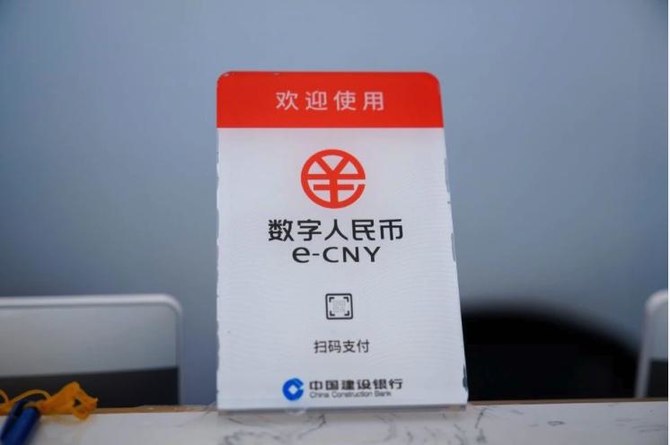
Most of all, cryptocurrencies are a threat to China’s sovereign digital yuan, which is at an advanced pilot stage. The People’s Bank of China, the country’s central bank, plans an official launch of the digital yuan as soon as 2022, following testing at the Winter Olympics.
Widespread use of the digital yuan would give Chinese policy makers greater visibility into how money flows around China’s economy.
This would help them track any illicit flows of funds, such as money laundering or terrorist financing, and it would also allow them to experiment by targeting monetary policy interventions on specific economic classes, regions or other groups.
However, by killing off independent cryptocurrencies, China closes off a huge area of financial innovation and risks reducing the dynamism of its economy in the future.


