Representatives from the Dubai food scene came together to discuss and understand the importance of food sustainability during an event organized by the French Dairy Board and the European Union.
The roundtable was part of an initiative launched by the French Dairy Board in 2020, with the support of the European Union, a campaign created to highlight the need for sustainable development within the French dairy sector.
It covers the entire dairy supply chain by focusing on four key areas of sustainability performance, including economic and social, food safety, food nutrition, and responsible production (animal welfare and the environment).
With the UAE importing billions of dirhams of food every year, there is still an opportunity to be sustainable. French cream follows strict production rules, so despite being exported around the world, this product is still sustainable thanks to the measures that have been implemented in France.
Attendees at the event included many of the leading lights in the Dubai food and beverage scene, including Orit Abdurahman, founder and CEO of Boon Coffee Roaster; Sophie Corcut, brand and sustainability manager at Spinneys; Kathy Johnston, chief chocolate officer of Mirzam Chocolate; and Omar Shihab, sustainability lead, general manager, founder of BOCA DIFC.
The group also included Samantha Wood, founder of restaurant review site Foodiva; Chef Russel Impiazzi, executive chef, Sofitel Dubai The Obelisk; Chef Romain Castet, executive pastry chef, Sofitel Dubai The Obelisk; Eugenie Dronneau, founder and CEO of the Foodkarma app; and food influencer Diana Zavzeatii of @BusyAvocado.
Topics of discussion included the need to influence and teach others to adopt a sustainable approach, where the UAE is now and how the community embraces sustainability, the need to source sustainable food both locally and internationally, and food waste.
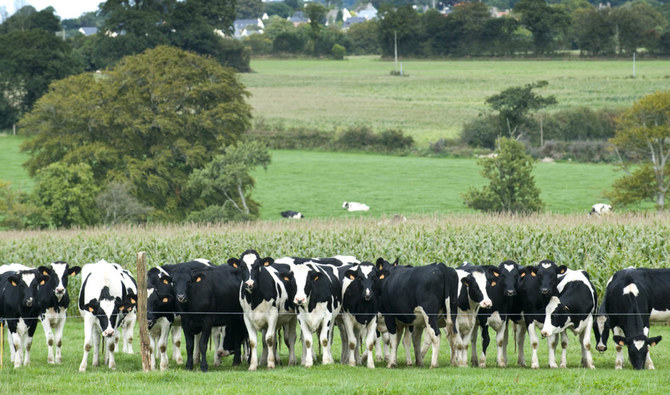
Addressing quality and sustainable sourcing, Chef Romain said: “As a pastry chef, the quality of ingredients is essential. I can’t compromise when it comes to sourcing items like French cream. I know what French cows eat and how they are treated, so I know the cream is the best, but also sustainably produced.”
Chef Impiazzi reiterated the point by highlighting the importance of making small wins that are easy to achieve. He said: “It is important to keep sustainability top of mind and highlight the small ways you can reduce food waste. We need to move away from the waste mentality that just because it’s easy to throw something away doesn’t mean we should.”
The panel also discussed COVID-19, addressing the devastating impact it has had on the food industry, pushing sustainability down the agenda.
Foodiva founder Wood said: “I do think because of COVID-19, sustainability has taken a backseat. We were getting somewhere in terms of education and awareness and getting the consumer to think differently and ask the right questions, whether in the supermarket or a restaurant. I think because of COVID-19, other priorities have superseded the movement.”


Dubai’s F&B leaders spotlight food sustainability
https://arab.news/ynbbd
Dubai’s F&B leaders spotlight food sustainability


Alfanar Engineering signs MoU with Schneider Electric Saudi Arabia
Alfanar Engineering Services announced the signing of a strategic MoU with Schneider Electric Saudi Arabia during its participation in the Saudi Arabia Smart Grid Conference. Both Schneider Electric and Alfanar Engineering have committed to further enhancing operational excellence and customer-centric service delivery thereby ensuring long-term asset reliability of their clients in the Kingdom.
Alfanar Engineering brings to the collaboration a strong in-Kingdom service footprint, supported by extensive operations and maintenance capabilities, advanced testing and commissioning equipment, and a network of specialized service centers and labs strategically located across Saudi Arabia. These capabilities enable the delivery of responsive, high-quality technical support tailored to the needs of critical infrastructure and industrial operations. Schneider Electric, with its extensive installed base of energy management and automation solutions, plays a key role in supporting mission-critical facilities and national industries across the Kingdom.
The collaboration was signed by Sattam Al-Motairi, chief operating officer of Alfanar Engineering Services, and Mohamed Shaheen, cluster president — Saudi Arabia, Schneider Electric. It brings together Alfanar’s local operational expertise and service reach with Schneider Electric’s global technologies and service standards. Together, the two companies will enhance service reliability, improve response efficiency, and deliver greater value through sustainable solutions that optimize asset lifecycles. The MoU also supports the development of localized technical services, contributing to the Kingdom’s objectives for sustainable infrastructure, localization, and industrial resilience.
Al-Motairi said: “At Alfanar Engineering Services, we believe that true value is created long after equipment is installed, through reliable service, fast response, and teams that understand the realities of the field. This collaboration with Schneider Electric enables us to enhance the delivery of after-sales services across the Kingdom, combining deep local expertise with world-class technology. Our focus is clear: keeping critical operations running, supporting our customers’ long-term success, and contributing meaningfully to Saudi Arabia’s industrial and infrastructure ambitions.”
Oday Al-Aithan, vice president of field services for Schneider Electric in Saudi Arabia, Pakistan, Yemen, and Bahrain, said: “At Schneider Electric, we are turning advanced energy management and digital solutions into tangible outcomes through our partnership with Alfanar Engineering Services. By combining our integrated technologies, extensive installed base, and global expertise as a leading energy technology partner with Alfanar’s strong in-Kingdom field services, we deliver smarter, faster, and more reliable solutions that optimize asset performance, accelerate response times, and support resilient, sustainable infrastructure, contributing to the Kingdom’s Vision 2030.”


