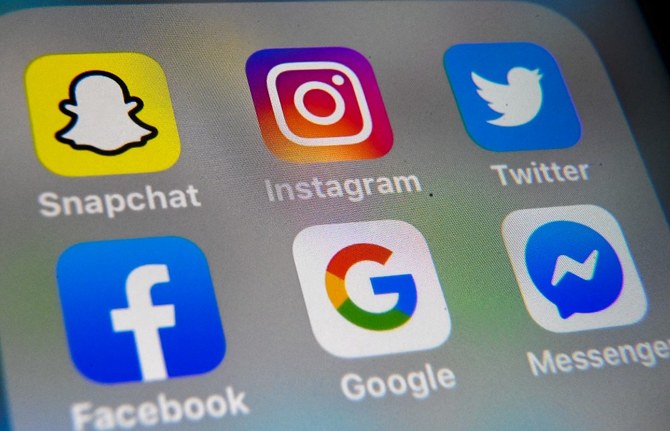
WASHINGTON: The congressional committee probing the deadly Jan. 6 attack on the US Capitol on Friday asked major social media companies including Facebook Inc. , Twitter Inc. and Alphabet Inc’s Google to turn over records of messages related to the assault by Donald Trump’s supporters.
The House of Representatives Select Committee asked for records connected to the violence and the days leading up to it, including the spread of misinformation and efforts to stop the certification of President Joe Biden’s election.
Demands also went out to 4chan and 8kun.
Twitter declined to comment. TikTok and Parler did not immediately respond to requests for comment. The other companies could not be reached for immediate comment.
Facebook, Snap, Google and Reddit each confirmed they had received the request and said the companies would work with the committee.
Gab said in a statement that it received a letter from the committee, adding it had removed accounts “which sought to spread division and fear” in the lead-up to the inauguration.
The committee is seeking records dating to the spring of 2020 including what, if any, policy changes the companies made to slow the spread of false information online.
Former Facebook chief security officer Alex Stamos said that committee subpoenas did not have the power to force the companies to turn over private content, and he said contacts with law enforcement might be shielded as well. On the other hand, he said internal reviews of what the platforms could have done better might shape public understanding of what happened and why.
The committee’s broad document request spanning 15 companies indicates this is the opening salvo to understanding how the social media platforms were used to organize ahead of Jan. 6 and on the day, and will likely lead to numerous follow-up questions, said Graham Brookie, director of the Atlantic Council’s Digital Forensic Research Lab.
The tech platforms have long been criticized for failing to police violent extremist content, though they also face concerns over censorship. The issue of domestic extremism, including white supremacy and militia groups, took on renewed urgency following the Capitol riot.
The congressional panel on Wednesday made its first document request from government agencies, including communications involving some of Trump’s closest advisers and family and extensive requests for material from the government agencies including the Pentagon, Justice Department, FBI and intelligence agencies.
House Democrats formed the committee, despite objections from Trump’s fellow Republicans in the House, to investigate the worst violence at the Capitol since the British invasion during the War of 1812.
Four people died on the day of the violence, one shot to death by police and the other three of natural causes. A Capitol Police officer who had been attacked by protesters died the following day. Four police officers who took part in the defense of the Capitol later took their own lives.
The document requests came a month after the committee held its first hearing, at which four police officers who had helped repel the attack described being beaten, taunted with racial insults and fearing they might die as they struggled to protect the building.


![]()

Congress demands Facebook, YouTube and others turn over Jan. 6-related documents
Short Url
https://arab.news/ckeku
Congress demands Facebook, YouTube and others turn over Jan. 6-related documents
- US congress demands major social media companies to turn over records of messages related to the Capitol Hill attack on January 6
- Facebook, Snap, Google and Reddit each confirmed they had received the request and said the companies would work with the committee


Latest updates


© 2026 SAUDI RESEARCH & PUBLISHING COMPANY, All Rights Reserved And subject to Terms of Use Agreement.