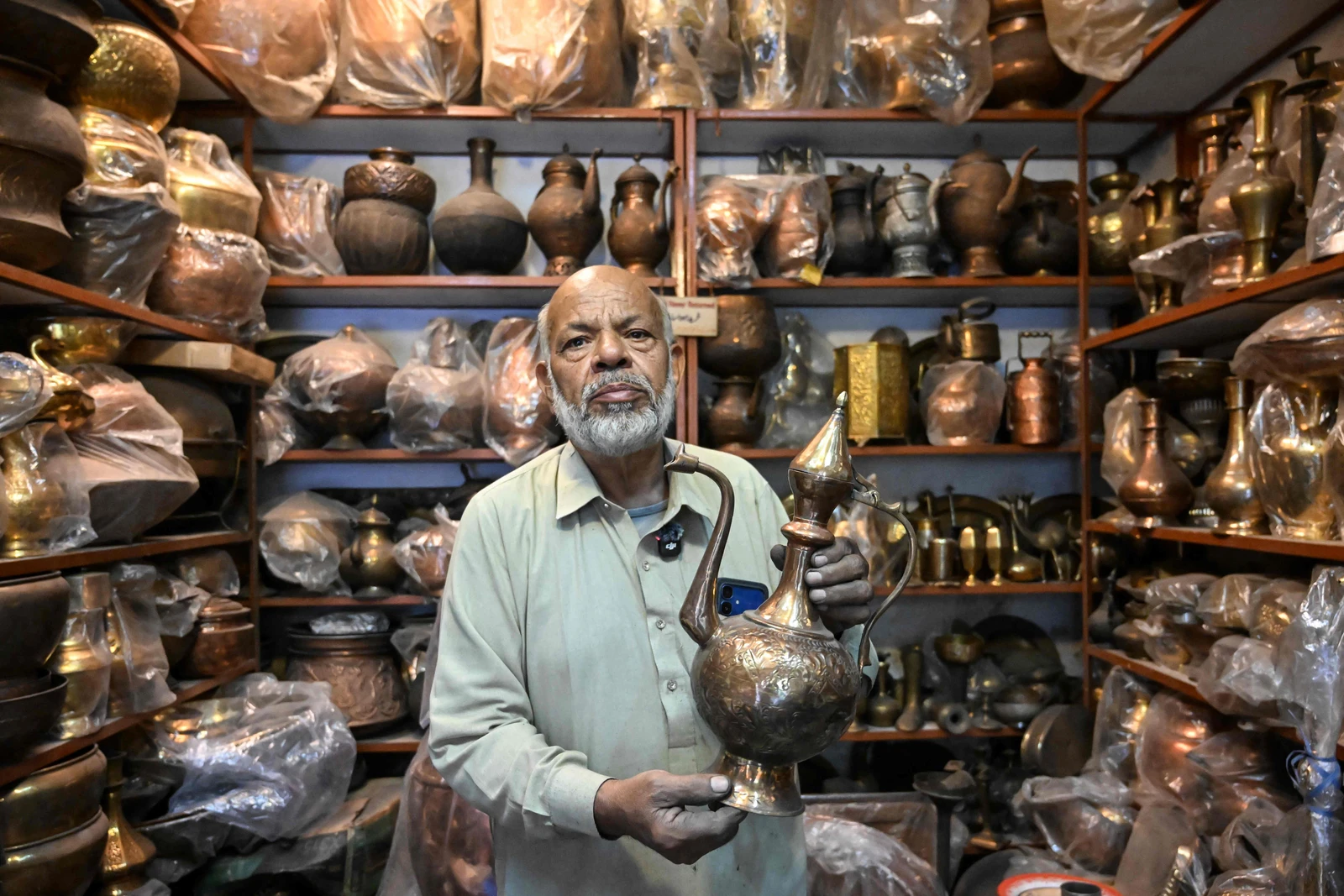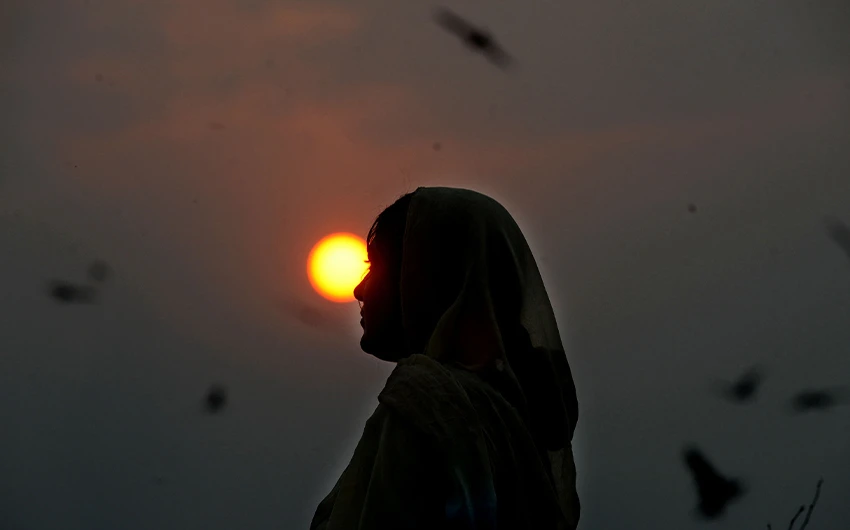
- 'Kariyon ka Qabristan' has around 400 graves, all belong to women killed in so called ‘honor killings’, graveyard caretaker says
- Deputy commissioner Gotkhi denies graveyard reserved for ‘condemned women,’ government to seek explanation from local administration
DAHARKI, Sindh: In Fattu Shah, a small village in Ghotki district on the border of the Pakistani provinces of Sindh and Punjab, a cemetery is reserved for women. But not just any women, the graveyard’s caretaker and local villagers say, but ‘condemned women,’ or karis, killed over perceived damage to “honor.”
Hundreds of women are murdered each year in Pakistan, mostly by family members, in so-called ‘honor killings’ that punish women for eloping, fraternizing with men or other infractions considered in defiance of conservative values that govern women’s modesty in the South Asian nation.
According to the Human Rights Commission of Pakistan (HRCP), 430 cases of honor killing were reported in 2020, involving 148 male and 363 female victims. Of these cases, 215 victims, 136 of them girls and women, belonged to the southern Sindh province.
Though laws around the country forbid honor killings, rights experts say enforcement of justice is often lax in such cases, with proceedings at times being drawn out while accused killers are freed on bail and cases fade away.
Kariyon ka Qabristan, or cemetery for condemned women, as the graveyard is called, is a testament to the continuing practice.
At least half a dozen villagers interviewed by Arab News said they knew of women who had been killed in the name of honor and buried in the graveyard in Fattu Shah.
Ali Nawaz, the 67-year-old caretaker of the four-decade-old cemetery, said there were at least 400 graves there, all of whom belonged to women killed in the name of honor.
“Burials have decreased over the last few years, but women are still being killed in the name of honor,” he told Arab News.
Among the ‘condemned women’ is Naseeran Chanesar, the aunt of 21-year-old shepherd Ilah Bux, who said he was ten when his mother’s sister ‘disappeared’ from her village home in 2013.
For days, Bux kept asking his mother where Chanesar was, he told Arab News: “It was on the third day that a villager whispered in my ears that she had been buried in Kariyon ka Qabristan.”
Bux said he did not know which grave in the cemetery was his aunt’s: “The only person I could ask is my mother, but she also doesn’t know the exact grave.”
Nawaz the caretaker said no visitors came to the graveyard even on religious holidays such as the Eid festivals, or in the holy month of Ramadan, when many Muslims visit the graves of their family members and friends.
“Many graves have decayed over the years and are no longer visible,” he said, “and if someone even tries to come here, they cannot identify their loved ones.”
Another lost grave is of Gul Bano who was killed by her elder brother in 2014, Bano’s cousin Murad Mehar said.
“On every Shab-e-Barat [major event in the Islamic calendar] when people go to graveyards to offer fateha [prayers] at the graves of their loved ones, we see Bano’s mother weeping in a corner of her house, remembering the daughter she can’t visit,” Mehar told Arab News.
While nearly all villagers spoke on condition of anonymity, Zarka Shar, an activist from Beruth, another village in Ghotki, said a graveyard had been reserved for victims of honor killings “because even after death, these ‘karis’ are not considered worthy to be buried in normal graveyards.”
“No rituals are performed for those killed and they are buried without being bathed,” she added. “This graveyard was built to spread fear.”
Shar said though the number of honor killings and subsequent burials in the graveyard had declined after the media had shone a spotlight on the practice in recent years, “there is still fear.”
“Even now if someone is buried, no one reveals it,” Shar said. “The administration ... does not take any action on this lawlessness. People are afraid to talk. The women are helpless. If one is a victim, others are silent mourners.”
But Usman Abdullah, the deputy commissioner of Gotkhi, denied that the graveyard in question was reserved for karis.
Murtaza Wahab, a spokesperson for the Sindh government, acknowledged that incidents of honor killing occurred in the province but said he was not aware of a graveyard specifically for karis.
“I will summon a report from the local administration,” he added.
But Mehnaz Rehman, executive director at Aurat foundation, told Arab News the graveyard existed and she had visited it several years ago as part of a fact-finding mission.
“There are painful stories,” she said. “We saw the grave of a mother who we were told was killed and buried there because she had dared to challenge customs.”