




DUBAI: A year after OSN rebranded its streaming platform WAVO to OSN Streaming, it has unveiled a brand new digital-first platform, putting technology and content at its core.
In October 2020, OSN Streaming changed its look and feel, but the technology remained the same. It was around the same time that the company decided to digitally overhaul the platform, delivering an entirely new user experience.
“My early estimation was that we need to have 12-18 months,” Peter Riz, chief technology officer at OSN, told Arab News.
However, six months was a “very aggressive timeline” for a development such as this, he added. Riz and his team had to devise a hybrid approach using six different modules to achieve this vision. The next step was to find a way to bring together the modules in a seamless manner, because running them separately was not sustainable or cost-effective.
The two key areas of the rebrand were multiple user profiles — including dedicated children’s profiles — and content presentation focusing on enhanced search and discovery.
Content presentation and discovery were critical to the user experience, said Riz. The first layer was presenting content to each user based on the general interests of that audience segment determined by factors such as age and location.
The second and more challenging layer was navigating personal user preferences. For example, Western expats generally watch movies and shows from the West, but also like watching certain Arabic dramas, explained Riz. The platform was also designed to learn from user behavior and tailor recommendations over time.
Riz said: “We wanted to show users the content we believe is relevant, so the question became: How do we do this quickly, and how do we give all this control to the editorial and marketing team?”

The answer came in the form of a custom technological component called the Customer Experience Builder (CXB). “The CXB is a new type of innovation from a technical point of view,” added Riz, because it enables the company to add new features and updates to various touchpoints — such as the mobile app, web browser, and TV apps — through one common system.
Digital disruption has been driven, in part, by a rapid change in user behavior, making it more important than ever before for companies to be able to adapt and improve their digital services quickly.
“OSN was not only able to deliver this new platform very quickly using the CXB, but we can continuously improve the experience,” said Riz. From building the CXB from scratch to writing new code, the new platform is a technological innovation for OSN.
“We changed the entire environment,” said Riz. “There is no legacy code in the new environment so every line of code that the engineers created to deliver the service is new.”
Since the launch of the new platform, OSN has been making tweaks through the CXB suite every two weeks. “Most of the logic, or ‘magic’ as we sometimes call it, happens on the backend,” he added.
Although these changes are almost imperceptible to users, they have a profound impact on how people discover and watch content on the platform, said Riz, resulting in OSN doubling content consumption on the platform.
Streaming companies reached their peak during the coronavirus disease pandemic, as more people spent time indoors and cinemas shut down. The surge in new users has forced these platforms to innovate in order to sustain their growth.
So, what is next for these companies?
“The real differentiator is still the content and how we present this content,” said Riz. “We are continuously working to find new content sources and secure current partnerships.”
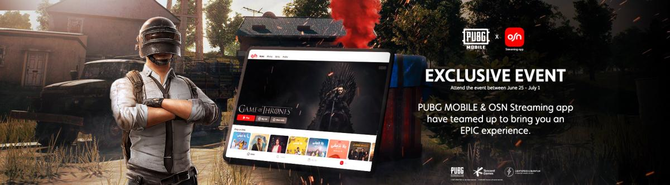
Streaming platforms, including OSN, are also looking for new kinds of partnerships that will see them diversifying into gaming and audio. OSN, for instance, partnered with multi-player video game “PlayerUnknown’s Battlegrounds” (PUBG) to provide PUBG Mobile players an exclusive opportunity to access the OSN Streaming app.
On the technology side, OSN continues to measure multiple factors such as streaming quality, load time, lags, or delays, to constantly improve the user experience. When there is a new update on any operating system, the company immediately runs tests to see if it affects the performance of the OSN Streaming platform. It is also working on adding alternative payment methods, in addition to credit cards, to the platform.
But, behind it all, “you need to continue that invisible, seamless and perfect technology,” said Riz.
It is all about “continuous improvement and continuous innovation to bring the content to the audience, increase the partnerships and support the entire digital economy to grow and unlock all the potential in the region,” he concluded.


