

Saudi performing arts chiefs unveil major plans to boost theater sector

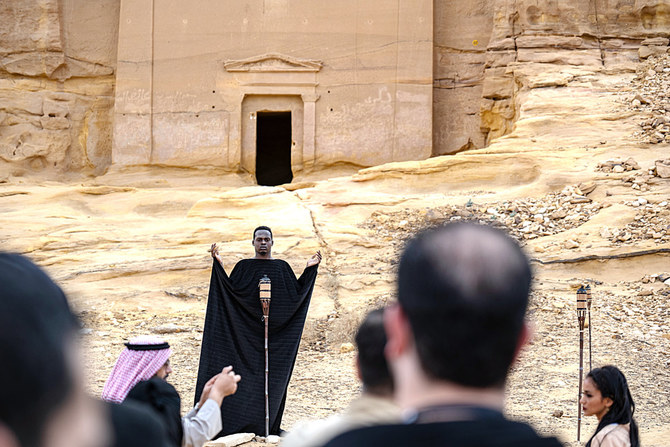
Work to upgrade the performing arts infrastructure, national theater, and Riyadh theater district will be undertaken, and funding will be provided to support local productions, the hosting of shows, and the financing of events and content. (Shutterstock)
Short Url
Updated 15 July 2021
Follow

Saudi performing arts chiefs unveil major plans to boost theater sector

  • Authority will work to establish partnerships to create advanced theater industry that meets goals of Vision 2030

RIYADH: Saudi performing arts chiefs on Wednesday raised the curtain on an ambitious new strategy to create a thriving theater industry in the Kingdom.

The Theater and Performing Arts Authority has unveiled plans aimed at promoting Saudi talent, job opportunities, and standards of entertainment in the sector.

The authority’s chief executive officer, Sultan Al-Bazai, said: “Our main mission is to stimulate the development and growth of the theater and performing arts sector by empowering Saudi talents to build successful careers and create content that inspires audiences.”

Alongside an employee awareness campaign about the strategy, he pointed out that the authority would be working to establish partnerships in the sector to create an advanced Saudi theater industry that met the goals of Saudi Vision 2030 and the Ministry of Culture.

The initiative, backed by Minister of Culture Prince Badr bin Abdullah bin Farhan Al-Saud, was launched in the presence of Deputy Minister of Culture Hamed bin Mohammed Fayez, Al-Bazai, and other prominent figures.
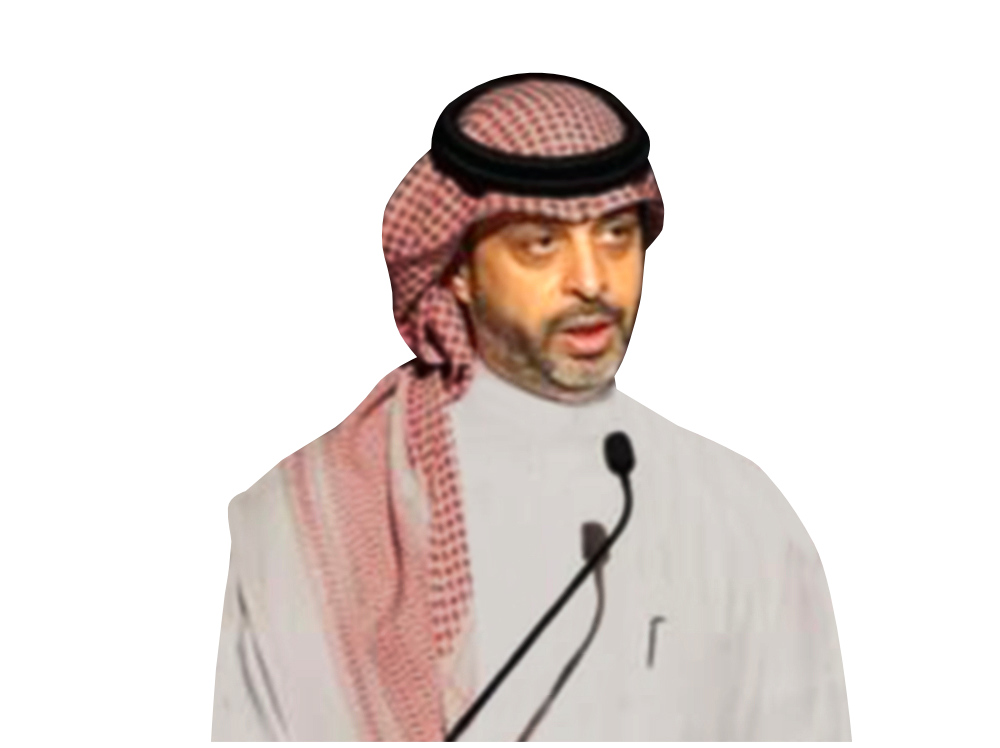


Deputy Minister of Culture Hamed bin Mohammed Fayez

Fayez said: “This strategy has been set, among its objectives, to provide support in different models, care for infrastructure, and societal and geographical access to each city, in addition to a comprehensive development of the sector with all its components, on top of which is the development of talents and capabilities that abound in the Kingdom.

“We have a lot of work ahead of us until we reach the establishment of a great theatrical industry that perpetuates our culture, documents our stories, expresses our concerns, our arts, and our ambitions.

“We also have a lot of challenges to overcome in providing empowerment opportunities for all fields that fall within the scope of theater and performing arts, in order to achieve the goals and outputs that everyone aspires to,” he added.

The strategy will cover all forms of performing arts including theater, dance, circus shows, stand-up comedy, street and motion performances, and opera. It will also encompass venues, content, production, and the prevalence of the culture of performing arts in the Kingdom.
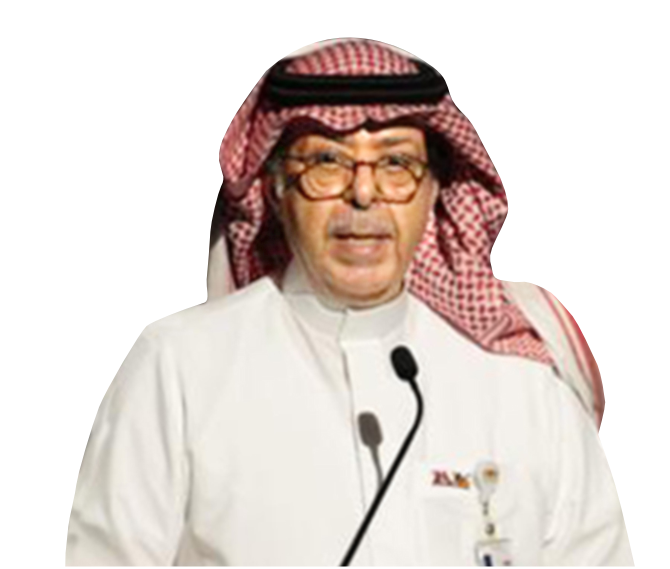


Sultan Al-Bazai

The authority’s vision, according to its website, was “to create inspiring performances with exceptional talents on every stage.”

Its key aims were to enhance the quantity and diversity of content, increase the number and variety of local productions, improve access to the theater and performing arts sector, raise appreciation levels among members of the public and practitioners, and generate audience demand.

In meeting the objectives, the authority would be looking to create an effective theater space for Saudi talent, strengthen the sector’s contribution to economic growth, promote culture as a way of life, and boost levels of professionalism and creativity.

A total of 26 initiatives to develop the sector will be implemented in stages through to 2030. They will include talent development involving education, training, talent-spotting, school theater, traditional dance, cultural business incubators, theater academies, career development schemes, graduate recruitment, and sector awards.

Work to upgrade the country’s performing arts infrastructure, national theater, and Riyadh theater district will also be undertaken, and funding will be made available to help support local productions, the staging and hosting of shows, and the financing of events and content.

On modern technology, the strategy will introduce an innovation support program and multi-screen initiative. And to drive audience figures, the authority intends to subsidize ticket prices, carry out audience satisfaction surveys, promote critical reviews of theater performances, raise awareness of local and international works, and encourage community participation and cultural tourism.

Through the provision of educational and training courses, officials hope that around 4,500 graduate performers and 4,200 qualified trainees will emerge.


Mini op-ed: Coffee, fasting and finding your rhythm this Ramadan

Updated 17 February 2026
Follow

Mini op-ed: Coffee, fasting and finding your rhythm this Ramadan

DUBAI: Ramadan is a month of reflection, balance and listening more closely to our bodies. It is also a time when everyday rituals, including coffee, naturally shift. Rather than giving it up completely, many people simply change how, when and what they drink. And that is where a little understanding can go a long way.

There is no single “right” way to enjoy coffee during Ramadan. Taste preferences, caffeine sensitivity, work schedules and sleep patterns are deeply personal. The key is finding what supports you during the fast.

Suhoor, the pre-dawn meal before fasting begins, is often where people think carefully about caffeine. Some find a small coffee helps them feel alert through the morning. Others prefer to avoid it so they can return to sleep more easily after the meal. How you metabolize caffeine plays a big role here, some people feel energized for hours, while others crash quickly or feel jittery.

Choosing a lower-caffeine option can help. Coffees made from 100 percent Arabica beans naturally contain less caffeine than Robusta, while still offering plenty of flavor and aroma.

Iftar, traditionally broken with water and dates, is usually followed by a light meal or soup. Coffee often comes later, once the body has rehydrated and blood sugar levels have stabilized. Enjoyed mindfully, it can be part of a beautiful evening ritual rather than a stimulant.

There is no single “right” way to enjoy coffee during Ramadan. Taste preferences, caffeine sensitivity, work schedules and sleep patterns are deeply personal. (Shutterstock) 

One of the most important things to remember during Ramadan is hydration. Coffee should never replace water, especially when fasting hours are long. Drinking enough water between iftar and suhoor helps reduce fatigue and headaches far more effectively than extra caffeine.

Added sugar in coffee can also cause blood sugar spikes, followed by dips in energy. If you enjoy sweetness, try reducing it slightly or pairing coffee with food to soften the impact.

If you are worried about caffeine withdrawal during Ramadan, decaffeinated coffee can be a very helpful bridge. High-quality decaf, such as coffee processed using the Swiss water method (which avoids chemical solvents), retains flavor while removing most of the caffeine.

Ramadan is not about restriction for restriction’s sake. It is about awareness, intention and care, including care for your own body. Coffee can absolutely remain part of that journey, as long as it’s enjoyed thoughtfully.

Whether you choose to drink less, switch origins, reduce caffeine or simply slow down and savor it more, the best coffee choice this Ramadan is the one that supports your rhythm, your rest and your well-being.

Here are a few RAW coffees that feel gentle, balanced and comforting during Ramadan:

RITUAL Blend
Created at the request of many customers from the Levant, this is our only blend that combines Arabica with a small amount of Robusta. The result is a bold, full body with very low acidity. Smooth and grounding, it works beautifully as espresso, Moka pot or Turkish coffee, and pairs well with milk.

Brazil — Serra Dos Ciganos (Single Origin)
A beautifully approachable coffee with tasting notes of roasted hazelnuts, nougat, baker’s chocolate and pear. Comforting and elegant, especially when brewed.

Guatemala — Pampojila Natural
Often chosen as a “breakfast coffee”, this is gently sweet with notes of brown sugar, nuts and orange, offering a medium body and soft fruit character.

Mexico — Mazateca
Another favourite for earlier in the day, with flavors of orange, malted barley and cacao, balanced, warm and easy to drink.

Kim Thompson is the founder and director of Culture & Brand at RAW Coffee Co.