



JEDDAH: Under the theme of “Desert Cinema,” the seventh edition of the Saudi Film Festival (SFF) has placed Saudi and international filmmakers center stage.
Held at the King Abdul Aziz Center for World Culture (Ithra) in partnership with the Saudi Arabian Society for Culture and Art (SASCA) of Dammam, the event features 57 films, 36 of which were produced by Saudi filmmakers and 21 from across the GCC.
Majid Samman, head of performance art and cinema at Ithra, told Arab News that opportunities in the filmmaking industry in Saudi Arabia are booming, especially with the arrival of cinema and movie theaters, a drastic shift from when YouTube was the go-to platform to showcase films, a hobby that not many thought could be a lucrative business.
“Nowadays, we are trying to make people understand that they can actually become professionals in the filmmaking industry and they make a living out of it.”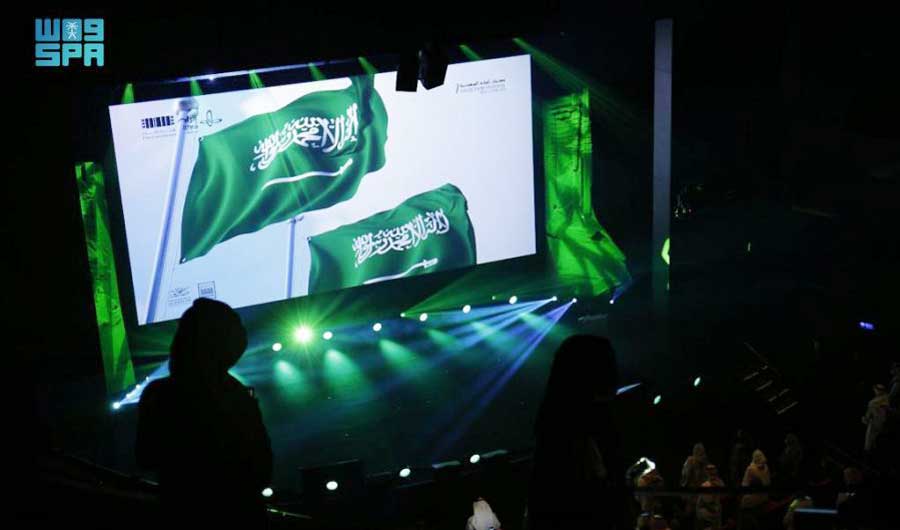
In previous rounds of the festival, Ithra produced more than 20 films all made by Saudi directors, resulting in 15 national and international awards. Ithra has also supported the funding and education of filmmakers through several related workshops.
Samman added: “We believed that we would elevate the Saudi talents from what they are doing now to higher standards, so that we can at least export that globally.”
HIGHLIGHTS
• 36 Saudi films and 21 Gulf films compete for the Golden Palm Award.
• 24 local, Arab and international production companies will receive feature films to develop.
The Saudi Film Festival highlights desert cinema in an interactive artwork inspired by the Tuwaiq mountains, in addition to a book that will be soon published titled “Cinema, the Desert and its Guide,” which includes research, articles and studies.
Alongside the festival, there were three desert-themed seminars presented on desert literature, poems, culture and films that were shot in deserts. One of the seminars was presented by Moath Alofi, a well-known Saudi desert explorer and artist. Alofi shared his story of producing his desert-focused films. “I really wanted to tell people about our Kingdom’s deserts, the diverse locations that are suitable for film shooting and how young film directors can get brilliant results out of it that will add a lot to their work.”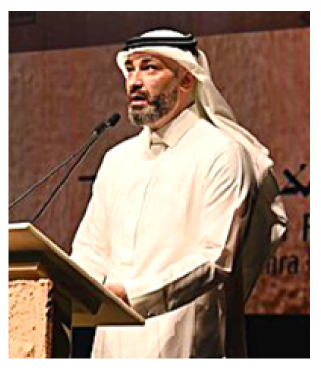
Alofi said: “Bear in mind that you have to respect the nature of the desert and deal with it cautiously.”
Ithra embraces Saudi talents and helps them to grow.
Ashraf Faqeeh, head of Ithra programs, said that what the center has aspired to do is promote film and work on developing an environment where talents can be discovered, to grow and compete.
BACKGROUND
• The first round of the Saudi Film Festival started back in 2008.
• The sixth round of the festival was held fully virtually in 2020.
• Five of the films produced during the previous rounds of the Saudi Film Festival have been shown on Netflix and one on Shahid.
“For the very first time we have film marches in the market, so whoever has a project, idea or a script is being introduced to a number of the best filmmakers. We have 24 production film entities across the national, regional and international levels,” Faqeeh added.
He said that Ithra is the biggest film producer in Saudi Arabia regarding the number and quality of films being produced. “It is not a matter of giving prizes, but rather proving ourselves in the market.”
The creative Saudi leap of faith rose quickly through various themes that feature culture and originality.
The Arabic long feature film “Forty Years and One Night” was first shown at the Malmo Arab Film Festival in Sweden and was translated into English. It was also screened at the Saudi Cinema Night hosted by the Red Sea Film Festival.
Saudi film director Mohammed Al-Hullail told Arab News: “It took us almost three years to develop the film. I have worked on many short films, but the one shown here at this festival is my very first long future film experience. Filming was very challenging and it helped me to engage with highly experienced directors and filmmakers.”
He added: “This festival has supported the filmmaking industry in Saudi Arabia and such initiatives are very appreciated.”
Al-Hullail has always been keen to take part in every round of the SFF since 2015, and describes starting off in the festival in “baby steps” that hold a special place in his heart.
On July 7, the film festival will celebrate winners of the best long and short films, as well as the best actors and actresses.
The seven-day festival aims to raise the level of competitiveness and productivity among filmmakers, as films compete to obtain the Golden Palm award, with financial prizes starting from SR75,000 ($20,000).
Faqeeh said: “The Saudi Film Festival is like the the Saudi Oscars for us, and we are more than delighted to be part of this.”
In 2017, an event called Josoor, which translates to bridges, was launched by Ithra to promote Saudi talent in different disciplines including comedy, cooking, scientific research and film making across 40 US cities.


