


DUBAI: Relations between Saudi Arabia and the US are strong and enduring, despite differences of opinion on some issues between the Kingdom and the administration of President Biden, Fahad Nazer, the chief spokesman of the Saudi embassy in Washington, told Arab News.
“Saudi-US relations are long-standing; they have endured for the past 75 years. Not only have they endured but they have continued to deepen and to strengthen and to broaden under both Republican and Democratic administrations,” he said.
But he cautioned that the Kingdom had concerns about some aspects of the Biden administration’s policy in the Middle East, notably the approach toward Iran.
“We’ve always had some concerns about the ‘sunset clauses’ of the agreement which in effect render it temporary in nature. We want something more permanent. And we also had concerns about the missile program in Iran, and perhaps most importantly we’ve always had concerns about not addressing Iran’s support of militant and non-state actors in the region,” he said.
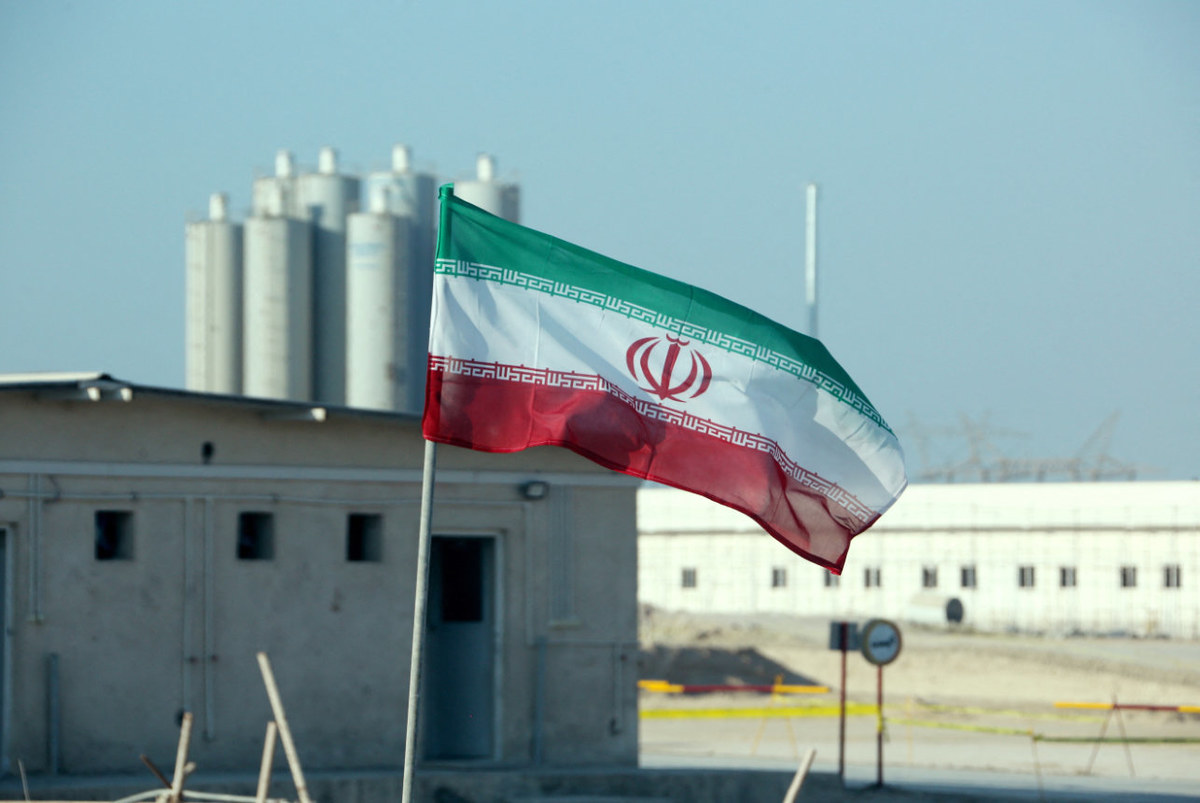
The Iranian flag is shown in Iran's Bushehr nuclear power plant during an official ceremony to kick-start works on a second reactor on November 10, 2019. (File/AFP)
Nazer, who has been the spokesman for Ambassador Princess Reema bint Bandar since 2019, was appearing on Frankly Speaking, the series of video interviews with leading policy-makers.
In a wide-ranging conversation, he also set out the Kingdom’s view on many aspects of US policy toward the region, including the conflict in Yemen, the recent withdrawal of some Patriot air defense systems from Saudi Arabia, and the possibility of normalization of relations with Israel.
Nazer, a former journalist with Arab News in the US, also spoke of the need to have “open channels of communication” with the American media, which has sometimes been critical of Saudi Arabia.
He discussed the “multi-dimensional” relationship between the US and Saudi Arabia.
“There’s a political component to it, there’s a military and security component, there’s an economic component and there’s a very much — somewhat underrated — people-to-people component as well, which explains why it has endured and withstood the test of time for so long,” he said.
In Yemen, Nazer said the two countries were cooperating on efforts to end the conflict, despite the Biden administration’s early decision to remove the Houthi rebels from the international terror designation.
“Saudi Arabia and the US are actually working very closely on multiple fronts to resolve a number of conflicts in the region, and the conflict and ongoing crisis in Yemen is certainly at the top of our agenda.
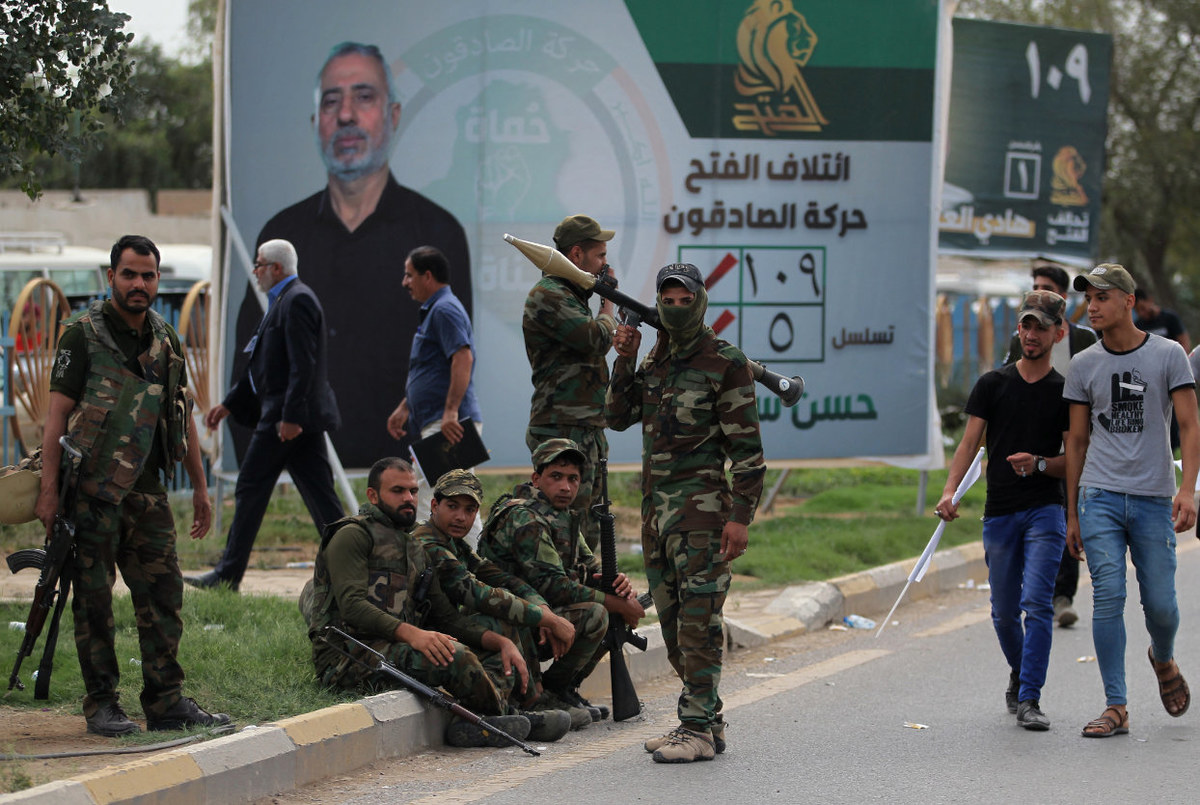
The Hashed al-Shaabi in Iraq is one of the militias supported by Iran, posing a threat to regional stability. (File/AFP)
“I think that our policies align to a great extent; we are both supportive of the UN efforts to resolve this conflict. We both are trying to advance a political resolution of the conflict. We are also both providers of humanitarian aid. In fact Saudi Arabia is the top provider of humanitarian aid to Yemen,” he said.
Prince Khalid bin Salman, Saudi Arabia’s deputy defense minister, had meetings with top US officials on a recent visit to Washington. According to Nazer, “it’s very clear from our engagements with the administration and from the statements, especially from the Yemen envoy Tim Lenderking, that the US understands the threat that the Houthis present.”
He said that the recent removal of some Patriot air defense systems from the Kingdom did not amount to the US “turning its back” on Saudi Arabia.
“The cooperation on the security and military front remains a pillar of this relationship. I think the US appreciates and understands the real threat that Saudi Arabia faces on his southern border from the Houthi militia,” Nazer said.
“We also work very closely on countering the threat that the international community and the region faces from non-state actors and terrorist groups like Al-Qaeda and Daesh.”
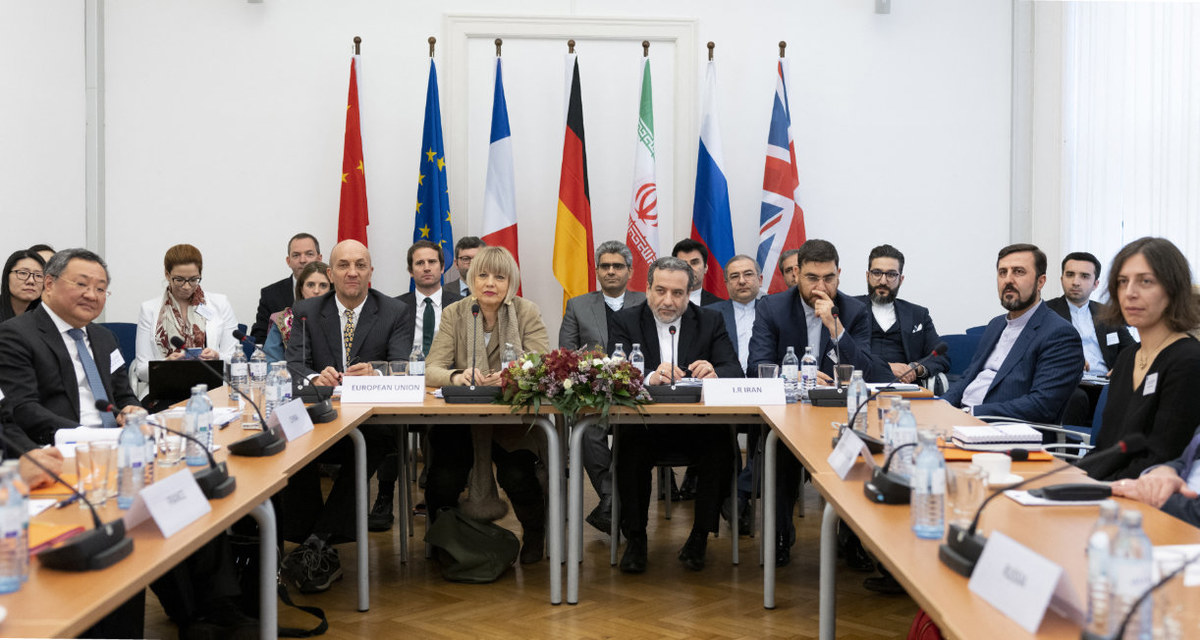
An Iranian delegation attends a meeting of the Joint Commission on Iran's nuclear program (JCPOA) in Vienna, Austria, on December 6, 2019. (File/AFP)
The Kingdom and the US have had “ongoing and robust dialogue” about the negotiations with Iran over renewing the Joint Comprehensive Plan of Action (JCPOA) on nuclear policy. “We have made our concerns known about the JCPOA back when it was first signed, even though ultimately we did support it,” he said.
“We will support anything that ensures that Iran does not possess the knowhow or the technology to produce nuclear weapons.”
He added that Saudi Arabia maintains good relations with both ruling Democrats and Republicans in Congress over Iran. “It’s become clear to us over the past few months that the leadership in Congress understands the very serious security concerns that Saudi Arabia faces in Iran,” he said.
Normalization of relations between more Arab countries and Israel, following last year’s Abraham Accords, remained a possibility, he said, but would depend on progress toward the conditions of the 2002 Arab Peace Initiative — a two-state solution and recognition of the 1967 borders.
“That deal is still on the table. We believe that once that core dispute is resolved and peace is reached between Israelis and Palestinians, that certainly opens the way not only for peace with Saudi Arabia but with the rest of the members of the Arab League,” Nazer said.
A recent visit by John Kerry, the US special envoy on climate, resulted in a joint statement by the US and the Kingdom on the need for international cooperation to achieve the Paris Agreement goals.
“Saudi Arabia is fully committed to sustainable development. We have embraced it. We’re taking the threat to our climate very seriously. We also believe that harnessing the power of science and technology will enable us to meet some of these challenges, including the challenges to our climate,” Nazer said.
He pointed out that the Kingdom has “competitive advantages” in technologies like wind and solar power, as well as advanced programs to develop carbon capture and other techniques to mitigate greenhouse gas emissions.
Nazer also underlined the cooperation between the Kingdom and the US in the initiative to stabilize international energy markets after dramatic fluctuations in the price of oil since the pandemic struck.
Saudi foreign policy in recent years has made a feature to reach out to countries other than traditional allies in the West, like China, Russia and India. However, Nazer does not believe this will not be to the detriment of older alliances. “We do not see our foreign policy through a zero-sum prism,” he said.
Aside from political work in Washington, Nazer has been involved in a program of public diplomacy outside the capital, meeting business and civic leaders across the US and undertaking a series of media interviews around the country.
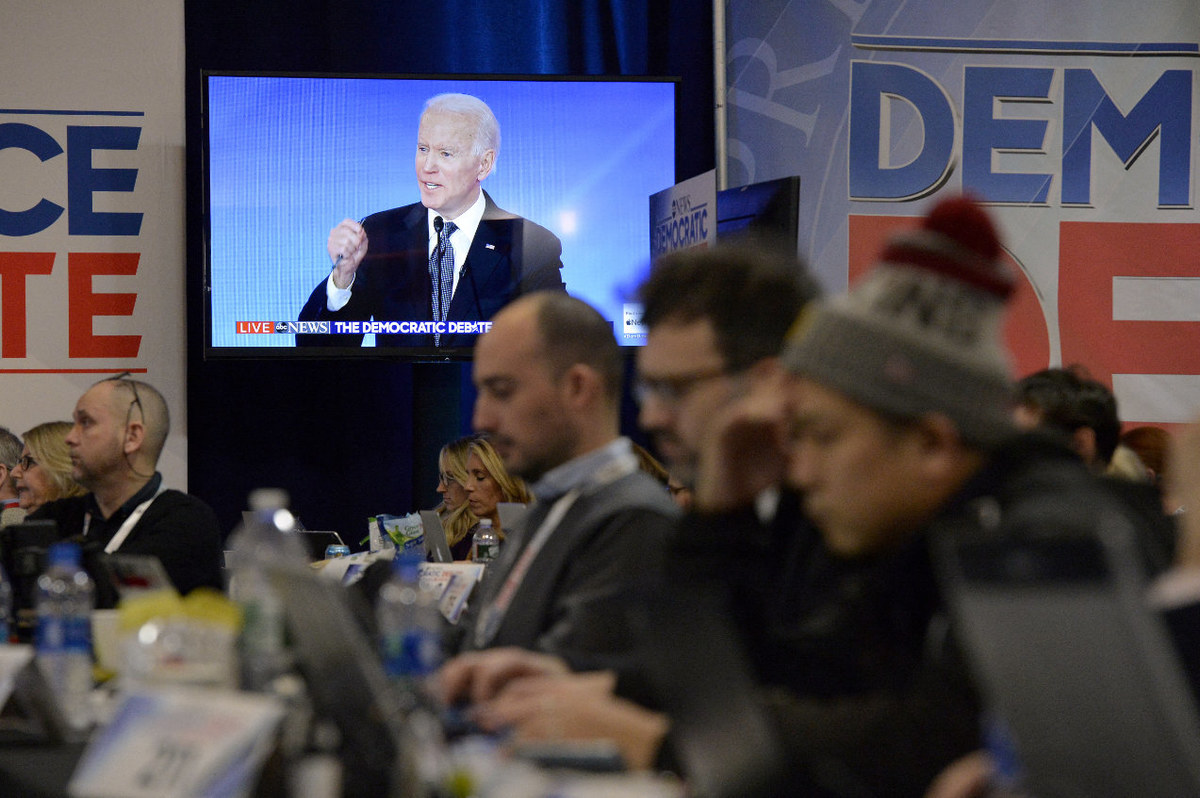
Saudi Embassy spokesman Fahad Nazer says much of his time is spent engaging with the US news media, which has not always given the Kingdom the easiest ride. (File/AFP)
“We have always obviously realized that the US is a big country and it’s become very clear to us that there are other groups outside Washington that are very much interested in developments in the Kingdom,” he said.
“They are interested in Vision 2030. So, we’re talking about whether it’s academic institutions, civil society groups and certainly the business community. We have made it a point to engage with all these communities, because it’s become clear that many of them want to maintain long-standing relationships.”
But the majority of his time is spent engaging with the US news media, which has not always given the Kingdom the easiest ride, especially over human-rights issues.
“Obviously the American press is a very big institution and — since your show is called Frankly Speaking — I will say, frankly speaking, some media outlets I think are perhaps more balanced than others. But we are genuinely open to engaging with any media outlet that is interested in anything Saudi related,” Nazer said.
He has had a chance to witness up close the diplomatic style of Princess Reema, the Kingdom’s first female ambassador and the daughter of legendary Saudi diplomat Prince Bandar bin Sultan, who was the ambassador in Washington for more than two decades.
“It has certainly been a privilege and an honor to work under the leadership of Princess Reema. She maintains excellent relations with officials here in Washington, but as you said she has also been speaking to all sorts of Americans outside of the capital over the past couple of years.
“I think she likes the US and I think she certainly feels passionately about the relationship,” Nazer said, adding: “I think that comes through in all her engagements.”
________
• Twitter: @frankkanedubai


