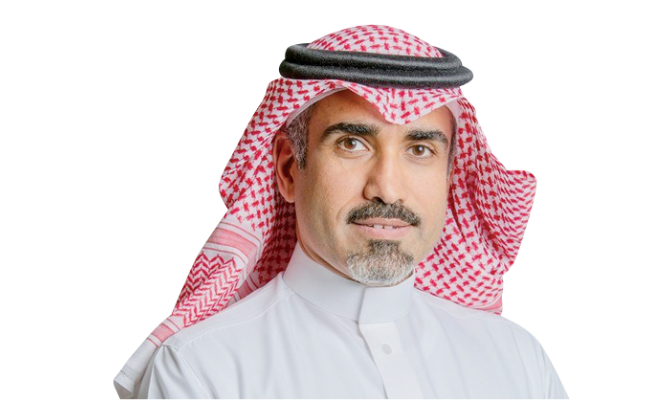
Who’s Who: Mohammed bin Abdulrahman bin Dayel, CEO of Saudi Arabia’s Cultural Development Fund

Mohammed bin Abdulrahman bin Dayel
Short Url
Updated 03 July 2021
Follow

Who’s Who: Mohammed bin Abdulrahman bin Dayel, CEO of Saudi Arabia’s Cultural Development Fund

Mohammed bin Abdulrahman bin Dayel was recently appointed CEO of Saudi Arabia’s Cultural Development Fund (CDF).

He brings to his position nearly 20 years of leadership and practical experience in the investment sector. Throughout his career, he has held many leadership roles, the most recent of which was as executive director of investment operations at Raidah Investment Company. He has also worked in the finance department at Saudi Aramco, and is on the board of directors of Alinma Bank.

He holds a master’s degree in business administration from the American University in Washington, and a bachelor’s degree in finance from George Washington University. In addition he has a number of qualifications in finance and investment management.

The fund, which is financially and administratively independent, specializes in supporting projects by private sector enterprises, nongovernmental organizations and associations working in cultural sectors and supporting fields. It also provides nonfinancial advisory services to groups and individuals working in a variety of cultural fields and contributes to the formation of effective strategic partnerships.

The decision to appoint Bin Dayel as CEO of the CDF was issued last month by the fund’s board of directors, which is headed by Minister of Culture Prince Badr bin Abdullah bin Farhan. It came as the fund plans to attract national talent, and implement development plans that support investment in cultural sectors by establishing programs to develop the cultural scene, with the support of the Quality of Life Program, one of the initiatives designed to help achieve the objectives of the Kingdom’s Vision 2030.


Economic growth and resilience at heart of 2nd AlUla Emerging Market Economies Conference

Updated 03 February 2026
Follow

Economic growth and resilience at heart of 2nd AlUla Emerging Market Economies Conference

  • Event on Feb. 8 and 9 will bring together ministers, governors of central banks, policymakers, economic experts and international financial institutions
  • Emerging-market economies a ‘pivotal element’ in global economic system due to effect they have on growth and stability, says Saudi Finance Minister Mohammed Al-Jadaan

RIYADH: The second annual AlUla Conference for Emerging Market Economies, which Saudi Arabia will host next week, offers a platform to exchange views on global developments and discuss policies and reforms that support inclusive growth and strengthen economic resilience, the Kingdom’s finance minister said.

The event on Feb. 8 and 9 will bring together finance ministers, governors of central banks and policymakers, alongside economic experts and representatives of international financial institutions.

Organized by the Saudi Ministry of Finance in partnership with the International Monetary Fund, it takes place as emerging-market economies face mounting challenges amid rapid global economic change.

Finance Minister Mohammed Al-Jadaan said the decision to host the conference reflects Saudi Arabia’s ongoing commitment to efforts that support global financial and economic stability, and highlights the growing influence of emerging economies on worldwide growth.

Emerging-market economies represent a “pivotal element” in the global economic system due to the direct impact they have on economic growth and stability, he added.

“The AlUla Conference for Emerging Market Economies provides a unique platform for exchanging views on global economic developments, and discussing policies and reforms that will support inclusive growth and enhance economic resilience, in light of broader international cooperation that contributes to confronting common challenges,” Al-Jadaan said.

Kristalina Georgieva, managing director of the IMF, said the event would help emerging economies deal with growing uncertainty driven by technological change, demographic shifts and geopolitical tensions.

“The AlUla conference provides a vital platform for emerging economies to discuss how they can navigate the risks and embrace the opportunities ahead,” she said.

“In these times of sweeping transformations in the global economy, policymakers face a more challenging and uncertain environment. Countries should work together to strengthen resilience through sound macroeconomic and financial policies.”