Pakistan won’t take military action against Afghan Taliban if they take over — PM Khan 

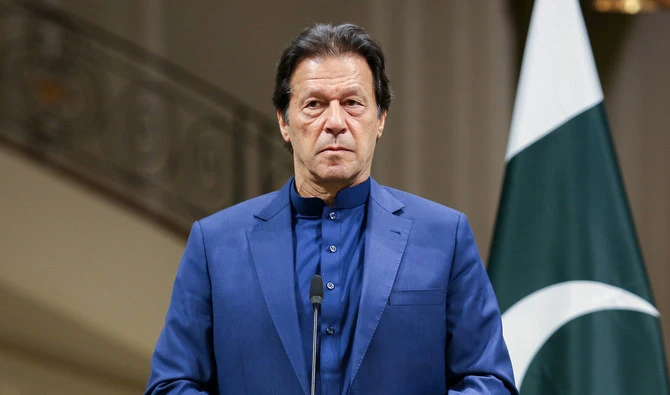
A photo released on October 13, 2019 shows Pakistan's Prime Minister Imran Khan attending a press conference in Tehran. (AFP/File)
Short Url
Updated 25 June 2021
Follow

Pakistan won’t take military action against Afghan Taliban if they take over — PM Khan 

  • Says Pakistan will only recognize government that is chosen by Afghan people
  • Hopes Pakistan and US can fix “lopsided” relationship of the past

ISLAMABAD: Pakistani prime minister Imran Khan said in an interview published on Friday that if the Taliban took over Afghanistan by force, the country would not take military action against the insurgent group.

Khan was speaking to the New York Times via video call about the way forward for Pakistan in light of US forces leaving Afghanistan by September 11 this year. 

“Let me assure you, we will do everything except use military action against the Taliban,” Khan replied when asked what Pakistan would do if the Taliban took over Afghanistan by force. “I mean, we will do everything up to that. All sections of our society have decided that Pakistan will take no military action.”

“Now, we are fencing it, and almost 90 percent of the border, we’ve fenced now,” Khan added. “What if [the] Taliban try to take over Afghanistan through [the] military? Then we will seal the border, because now we can, because we have fenced our border, which was previously [open], because Pakistan does not want to get into, number one, conflict, secondly, we do not want another influx of refugees.”

Asked if Pakistan would recognize the Taliban if they carried out a full military takeover in Afghanistan, Khan said:

“Pakistan will only recognize a government which is chosen by the people of Afghanistan, whichever government they choose.”

He said after the US withdrawal, he wished that Pakistan and the US could fix their “lopsided” equation of the past. 

“What we want in the future is a relationship based on trust and common objectives,” he said. “That’s actually what we have right now with the US.”
Pakistan assembly speaker warns opposition against anti-state remarks in parliament

Updated 17 January 2026
Follow

Pakistan assembly speaker warns opposition against anti-state remarks in parliament

  • Ayaz Sadiq says criticism of judiciary and armed forces will not be allowed on assembly floor
  • He calls violence during protests unacceptable, vows neutrality as National Assembly speaker

ISLAMABAD: Pakistan’s National Assembly Speaker Sardar Ayaz Sadiq said on Saturday that opposition lawmakers would not be allowed to speak against Pakistan, the judiciary or the armed forces on the floor of parliament, calling such remarks unacceptable.

Speaking to reporters during a visit to the eastern city of Lahore, Sadiq said parliamentary debate must remain within constitutional and legal limits, while reiterating his commitment to act impartially as speaker.

“No one will be allowed to speak against Pakistan, the judiciary or the armed forces on the floor of the National Assembly,” Sadiq said. “Negative or controversial remarks about judges or the armed forces are unacceptable.”

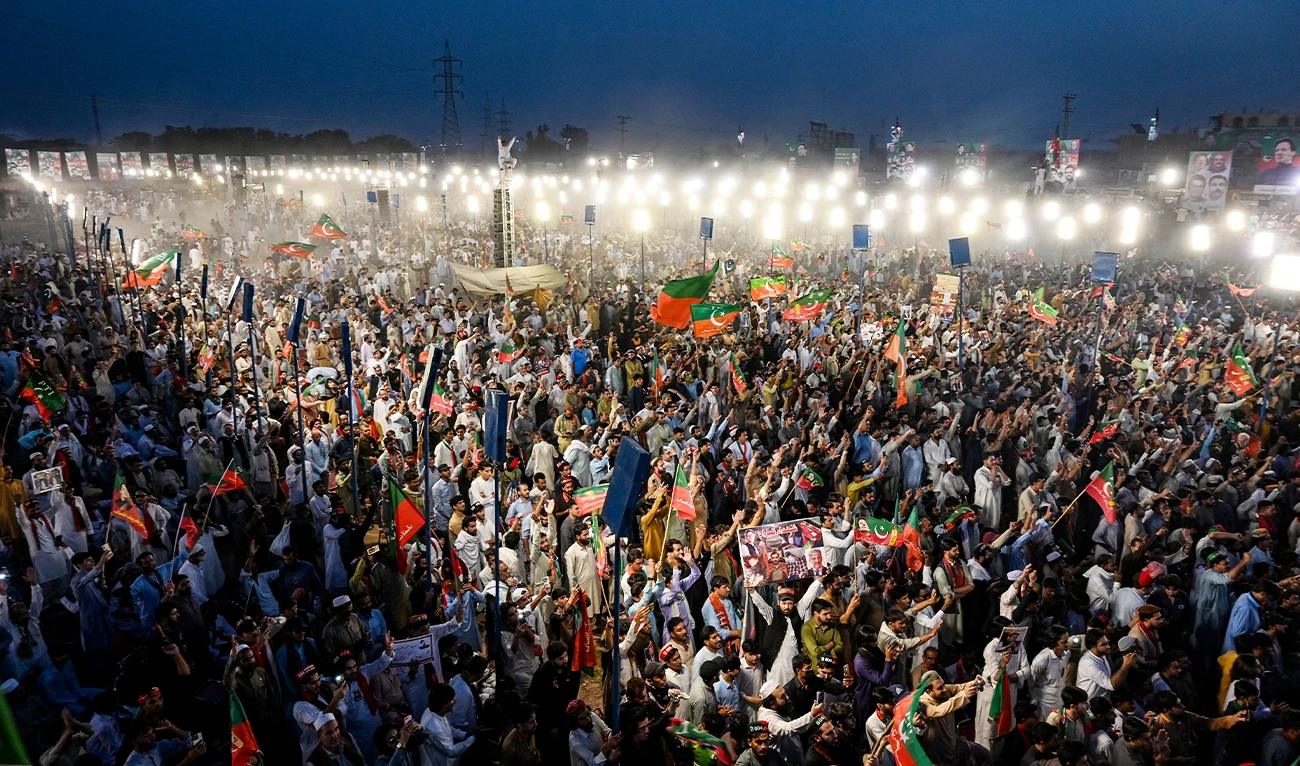
His comments come amid heightened political tensions after opposition groups held protests in the past, criticizing state institutions and targeting government and military properties.

The speaker said peaceful protest was a democratic right but drew a sharp line at violence and vandalism.

“Protest is the right of every citizen in a democratic society, but it must remain peaceful and within the bounds of the constitution and the law,” he continued, adding that arson, damage to property and the use of sticks or weapons in the name of protest were “unacceptable” and posed a threat to the rule of law.

“No opposition lawmaker will be allowed to speak on the National Assembly floor if they speak against Pakistan,” Sadiq said.

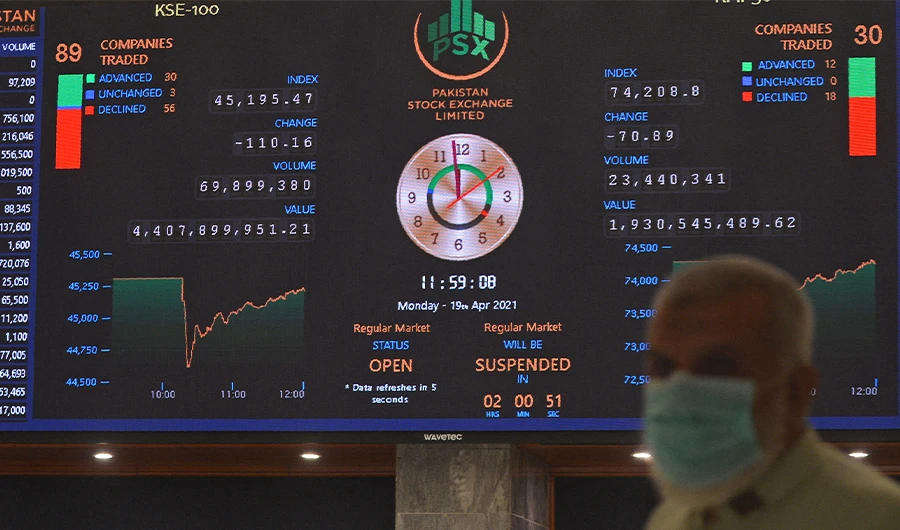
The speaker also noted the country’s economic indicators were gradually improving, citing an increase in foreign exchange reserves, and said Pakistan had further strengthened relations with countries including the United States, China, Russia, Türkiye and Saudi Arabia.