

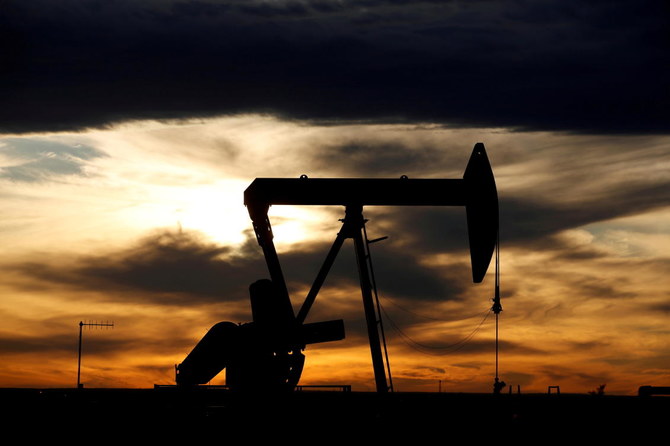

DENVER: As oil climbs above $70 a barrel for the first time in almost three years, oilfield firms are reporting prices for their services and equipment have bottomed and many are fielding more calls for jobs.
US crude production, which plummeted during the coronavirus pandemic, is ticking back up, despite generally flat spending by oil and gas producers. US shale output is expected to rise by 38,000 barrels per day next month, halting earlier drops.
Companies report drilling and well completions activity and pricing are edging higher, especially for those with specialized services or more productive equipment. Roughnecks also say they are seeing an increase in job offers, with companies competing for skilled workers.
“We are already beginning to see a positive increase in activity and an upturn in service pricing will hopefully be reflected in the coming months,” said Stuart Wilson, chief executive of service firm Packers Plus Energy Services.
Still, there is a long way to go. The pandemic hammered the industry last year as some were just regaining their pricing power, Wilson said. His company is seeing strong demand for its premium completions equipment for oil and gas wells.
OPTIMISM REBOUNDS
“Operators appear to be a lot more optimistic and considering projects that have lay dormant the previous year,” he said. “We are seeing more orders being confirmed at pricing levels that are more comparable to pre-pandemic levels,” he added.
Providers of advanced drilling rigs, tubular goods and chemicals are gingerly pushing up invoices, according to analysts and market participants.
Pricing power is returning “especially in niches like high-spec onshore drilling rigs,” said Josh Young, chief investment officer of energy investor Bison Interests. There has been a $1,000 per day increase in dayrates for such US rigs with more to come, he said.
Ensign Energy Services forecasts a $2,000 to $3,000 per day increase in rig dayrates in Canada into the autumn as supply and demand tightens, the company said at an RBC Capital Markets conference this month. In the United States, the second quarter will be the bottom for cash margins, the company said.
JOB FAIRS RETURN
The shift is evident in employment with firms hiring again. Oilfield workers are reporting job offers from employers including Schlumberger and Halliburton.
Liberty Oilfield Services this month held a job fair in Henderson, Colorado. It also is hiring wireline operators in Texas, Louisiana, Oklahoma, Wyoming and West Virginia, according to LinkedIn.
US oilfield jobs increased in May by 1.6 percent, or about 9,700 positions, according to trade group Energy Workforce & Technology Council (Council). Some 27,000 oilfield jobs have been regained since February.
To break out of the downturn, service firms need higher pricing to help meet environmental and sustainability goals, according to Leslie Shockley Beyer, of the Council.
“Their margins have to be healthy enough to re-invest,” Beyer said.


