


RIYADH: The Film AlUla department at the Royal Commission for AlUla has signed agreements to shoot three films in the governorate — an American movie directed by and featuring big Hollywood names and two Saudi movies.
The Saudi projects are “In Sands” directed by Muhammad Al-Atawee and “Nourah” directed by Tawfeeq Al-Zayedi. The Hollywood film has not yet been named.
The Film Commission at the Ministry of Culture will finance both Saudi films in full and will coordinate with Film AlUla to meet all shooting requirements in AlUla.
The agreements were signed following the great success of the American movie “Cherry” directed by Anthony and Joe Russo. Scenes from “Cherry” were shot in AlUla and Riyadh, a first for Saudi Arabia, in collaboration with Film AlUla, which is working hard to attract Saudi and global talents to shoot movies here.
Mohammad Al-Asmari, a documentary film director, said that the exchange of expertise in the filmmaking industry is a great stimulant for Saudi talent, noting that the industry is a lucrative source of income and a stimulant for domestic and foreign investors.
FASTFACTS
The Saudi projects are ‘In Sands’ directed by Muhammad Al-Atawee and ‘Nourah’ directed by Tawfeeq Al-Zayedi. The Hollywood film has not yet been named.
The agreements were signed following the great success of the American movie ‘Cherry’ directed by Anthony and Joe Russo. Scenes from ‘Cherry’ were shot in AlUla and Riyadh, a first for Saudi Arabia, in collaboration with Film AlUla, which is working hard to attract Saudi and global talents to shoot movies here.
Al-Asmari commended the Film Commission for encouraging the success of Saudi production and setting up the regulatory framework to help Saudis make their dreams come true.
The Film Commission is doing all it can to help local talents to develop their filmmaking skills and to harness the benefits of modern technology, Al-Asmari said.
The Film Commission was established in February last year. Its board of directors chaired by the minister of culture is responsible for developing the film sector in the Kingdom and encouraging individuals, institutions and companies to develop content.
Tariq Al-Khawaji, a cultural consultant at Ithra Programs, said the Kingdom’s attractive landscapes, including its historical heritage, have played a key role in promoting the development of the film industry.
Since Saudi Arabia started issuing tourist visas, it has been visited by numerous movie and television production companies exploring shooting in AlUla and other locations.
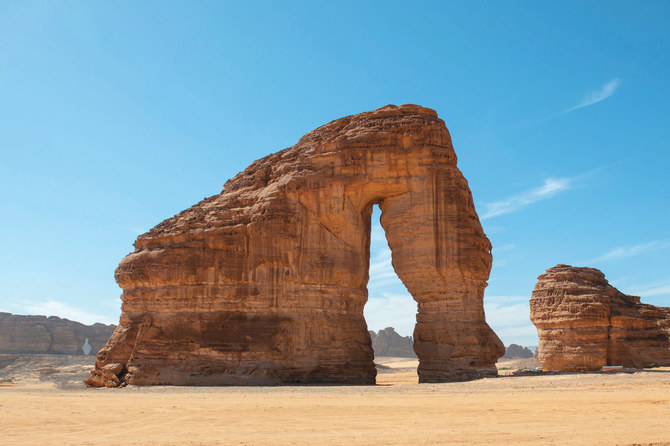
AlUla’s landscapes are among the best filming locations in the world and Film AlUla is seeking to establish AlUla as international filming and content destination and to create a film infrastructure in northwestern Saudi Arabia.
It provides a package of services to attract international filmmakers. This includes a team of film experts in AlUla to facilitate production and build a suitable ecosystem for filmmaking.
On the practical side, it can handle film crew visas, secure ground and air transportation, facilitate the import and export of cameras and other production equipment, sort out accommodation in Riyadh and AlUla and grant permits.
In addition to its cultural heritage dating back more than 200,000 years, AlUla has a fascinating diversity of terrains covering an area of more than 22,500 km that includes charming valleys and amazing rock formations created by wind and water over millions of years. The governorate’s farms, villages and cities with their range of old and new architecture offer a variety of options for filmmakers.
Film AlUla also works to stimulate local film production, in partnership with other government agencies, based on the Royal Commission’s endeavor to empower national talents in the film industry.


