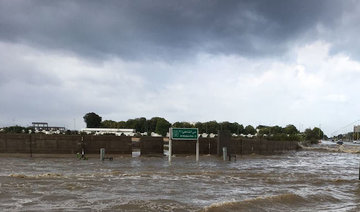
MAKKAH: Saudi weather buffs have been warned they could face imprisonment and hefty fines in the wake of a national ban on unofficial forecasting.
The Kingdom’s Bureau of Investigation and Public Prosecution announced that new regulations would make it illegal for any individual or organization outside of the National Center of Meteorology to predict the weather and climatic conditions.
And those breaching the rules could be jailed for up to 10 years and be handed a maximum fine of SR2 million (about $530,000).
In a tweet, the bureau said: “It is forbidden to carry out sovereign meteorological services concerned with meteorological activities, products, and information related to national security, and what is related in this regard is limited to the National Center of Meteorology.”
Hussein Al-Qahtani, spokesman for the center, told Arab News that the ban would come into force in six months’ time and was part of efforts by Saudi authorities to regulate meteorological work in the Kingdom.
“It goes along with the privatization of the sectors declared in the country, including meteorology, and aims to serve the meteorological stature in the Kingdom and gives space for the work of meteorology in an orderly manner,” he said.
He pointed out that the country’s meteorological system overhaul had been long overdue as it lacked an integrated framework. “It is an operational and legislative system that gives more space for developing the meteorological work that is important to preserve people’s lives and properties.”
Al-Qahtani noted that the changes were in line with restructuring programs currently taking place in other sectors throughout the Kingdom.
The new rules will prohibit any unauthorized person from forecasting weather and climate conditions or issuing warnings and are aimed at preventing inaccurate predictions being made in pursuit of financial gain.
“These people use various social media platforms to warn people and alert them, gain followers and benefit from advertising and financial gains,” he added.


![]()
![]()

Saudi weather buffs could face jail, fines in ban on unofficial forecasting


Short Url
https://arab.news/8gbhg
Saudi weather buffs could face jail, fines in ban on unofficial forecasting
- It is forbidden to carry out sovereign meteorological services concerned with meteorological activities, products, and information related to national security, and what is related in this regard is limited to the National Center of Meteorology

Latest updates



Recommended


© 2026 SAUDI RESEARCH & PUBLISHING COMPANY, All Rights Reserved And subject to Terms of Use Agreement.