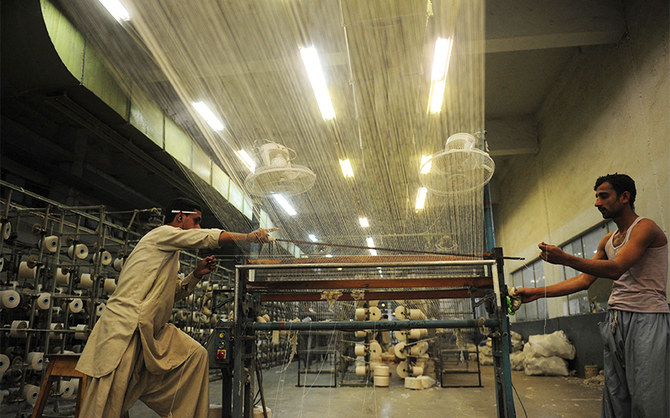
ISLAMABAD: Dr. Jassu Mal, chairman of the Pakistan Cotton Ginners’ Association, has said low cotton output has forced more than 60% of ginners to completely shut their factories in the past three years, leaving hundreds of thousands of farmers and textile workers out of work, international media reported on Wednesday.
Pakistan, one of the world’s largest cotton producers, is finding it increasingly hard to meet its own needs, a problem that could push up import bills and further hurt its fragile economy.
“Years of bad weather, pest outbreaks and better margins on other crops have hurt the quality and quantity of Pakistan’s cotton harvest,” Bloomberg reported. “Production in the current fiscal year is set to tumble to the lowest level in about three decades.”
As a result, the country is spending billions of dollars to import record amounts of cotton to feed its textile industry. Its current account has recently flipped back into a deficit amid higher imports. The move also threatens to boost cotton prices, which have already hit a seven-year high.
Cotton is one of the most important cash crops for Pakistan and commonly referred to as “white gold” by the 1.5 million farmers that depend on it for a living. It serves as the raw material for the textile industry, which provides employment to 40% of the workforce and generates more than half of foreign exchange earnings.
“The cotton crop has shrunk to an alarming level but we don’t see the government taking any serious steps to revive production,” Mal, who is also Chief Executive Officer of Sindh Agro Industries and operates Pakistan’s biggest ginning mill in Hyderabad, told Bloomberg.
In the latest season, Mal had to close at least three of his seven factories and run others at 50% capacity due to the lack of cotton. The company’s number of ginning workers has plunged to 100 from 400 about five years ago.
Pakistan’s cotton production is forecast to slump to less than 6 million bales in 2020-21, the lowest since at least 1992, Nasim Usman, chairman of the Karachi Cotton Brokers Forum, told Bloomberg. At its peak, output was more than 14 million bales in 2004-05.
The government has set a target for 10.5 million bales for fiscal 2022.
The country is paying dearly for overseas cotton and would need to import 3 million to 4 million more bales by June, said Khaqan Najeeb, a former adviser to Pakistan’s finance ministry.
Higher purchases could further boost global cotton prices and widen Pakistan’s trade deficit, which rose more than 120% to $3.3 billion in March as Khan’s government struggles to tame inflation. A weaker rupee raises prices of essentials at home when the country’s balance of payment position worsens.


![]()

60% ginners shut factories in Pakistan in last three years as cotton output nosedives
Short Url
https://arab.news/nxtcc
60% ginners shut factories in Pakistan in last three years as cotton output nosedives
- Bad weather, pest outbreaks and better margins on other crops have hurt quality and quantity of cotton harvest
- Production in the current fiscal year is set to tumble to the lowest level in about three decades
Latest updates


© 2026 SAUDI RESEARCH & PUBLISHING COMPANY, All Rights Reserved And subject to Terms of Use Agreement.