RIYADH: Middle East airlines posted losses of $7.1 billion in 2020, a loss of $68.47 for each passenger flown, with traffic at less than 20 percent of 2019 levels, the International Air Transport Association (IATA) said.
January air passenger traffic in the region was down 82.3 percent compared with January 2019, according to IATA data.
The ongoing crisis puts over 1.7 million jobs in the Middle East and $105 billion in GDP at risk, IATA said as it called upon governments in the region to develop restart plans for the post-COVID-19 phase, and for regional coordination to ensure that the plans can be efficiently implemented.
Airlines in the Middle East received $4.8 billion in government aid in 2020, $4.1 billion of which was distributed through cash injections, IATA said.
Despite this, several airlines remain at risk of bankruptcy or business administration, it said.
A financially viable air transport sector will be needed to energize the recovery, and both the government and industry must be prepared, said Kamil Al-Awadhi, IATA regional vice president (Africa and the Middle East).
Government relief for airlines has avoided massive failures that would jeopardize a restart but must be prepared to spend more, while those that have not yet stepped up must recognize the growing risk to their economies as the crisis drags on, he said.
“With no clear timeline to recovery the situation is far from resolved,” he said.

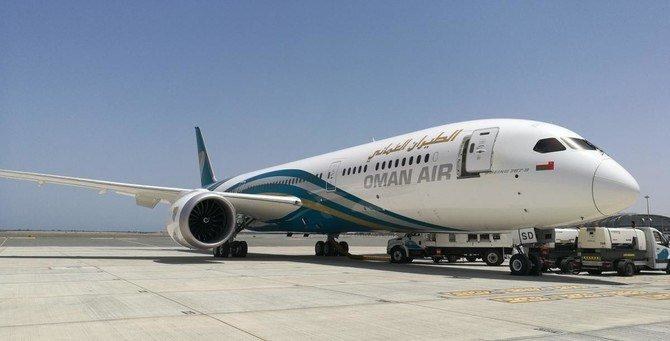
Middle East airlines post losses of $7.1bn in 2020 — IATA
https://arab.news/mrfmb
Middle East airlines post losses of $7.1bn in 2020 — IATA
- January air passenger traffic in the region was down 82.3% from 2019
- Middle East airlines received $4.8 billion in government aid in 2020
Egypt–Saudi power link set to boost regional energy integration, minister says
RIYADH: Electricity interconnection projects between Egypt and Saudi Arabia will strengthen regional energy cooperation and economic integration, Egypt’s minister of electricity and renewable energy said during a visit to a key cross-border power facility.
Mahmoud Esmat made the remarks while inspecting the Egypt–Saudi electricity interconnection station linking the two countries’ power grids, where he reviewed construction progress and equipment testing ahead of trial operations expected in the coming weeks, according to a statement from the Egyptian State Information Service.
The project is described as the first of its kind in the Middle East in terms of scale, manufacturing technology, operation, and application in grid interconnection lines.
The initiative supports the state’s broader vision to implement sustainable solutions aimed at ensuring the stability of the national unified grid and enhancing the reliability and quality of electricity supply.
It also aligns with Egypt’s allocation of 136.3 billion Egyptian pounds ($2.8 billion) to the electricity and renewable energy sector in its 2025–26 development plan, nearly double the 72.6 billion pounds set aside the previous year.
The plan focuses on diversifying energy sources, expanding renewable capacity, and strengthening the national grid to meet rising demand.
The statement said: “The minister toured the station’s departments and control and operation center, following up on the completion of testing for all equipment and components in preparation for launching operations and synchronizing the project with the unified power grids of Egypt and Saudi Arabia in the coming weeks.”
It added: “Esmat reviewed the implementation rate of the project and testing works, as well as the project’s timeline. He highlighted finalization of operational tests at the Badr transformer station and the Sakakin Taba 2 station, as well as the 500 kilovolts overhead transmission line extending approximately 320 km.”
The minister said the project forms part of broader efforts to build an integrated power network connecting the two countries, facilitating efficient and flexible electricity exchange and laying the groundwork for a unified Arab electricity market.
He added that the initiative reflects a clear vision and comprehensive strategy to strengthen the efficiency of the energy system while delivering both immediate and long-term solutions to safeguard grid stability and enhance service quality.


