12.5% rise in Zakat in 2020, says UN refugee agency

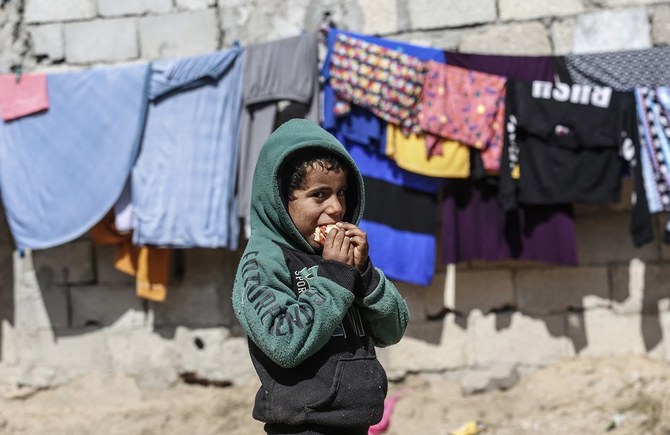
Zakat is one of the Five Pillars of Islam and is a religious duty of Muslims to donate money to charitable organizations. (File/AFP)
Short Url
Updated 29 March 2021
Follow

12.5% rise in Zakat in 2020, says UN refugee agency

  • $48.6 million was raised in 2020, an increase of 12.5 percent year-on-year

DUBAI: The United Nations’ refugee agency on Monday reported a 12.5 percent rise in donations to its Refugee Zakat Fund last year, resulting in a 59 percent increase in the number of refugees benefiting from this assistance.

Zakat is one of the Five Pillars of Islam and is a religious duty of Muslims to donate money to charitable organizations.

The United Nations High Commissioner for Refugees (UNHCR) set up the Refugee Zakat Fund in 2019 and last year it helped 2.1 million beneficiaries in 13 countries, including Yemen, Lebanon, Iraq, Jordan, Egypt, Mauritania, Niger, Bangladesh, India and Pakistan.

According to the UNHCR’s Annual Islamic Philanthropy Report, $48.6 million was raised in 2020, an increase of 12.5 percent year-on-year.

This meant that 2.1 million refugees and internally displaced people (IDPs) benefited from the Refugee Zakat Fund in 2020, a rise of 59 percent year-on-year. According to the report, 55 percent of the zakat donations were for Yemen, followed by Bangladesh and Lebanon.

Commenting on the impact of Islamic philanthropy on marginalized communities, Prof. Dr. Koutoub Moustafa Sano, secretary-general of the International Islamic Fiqh Academy, said: “With more than 50 percent of the refugees and IDPs coming from OIC countries, the Muslim community responded with generosity to UNHCR’s Refugee Zakat Fund, in particular in the context of the consequences of the pandemic. But the needs are still high, and there is much space left to cover for the expenditures of zakat-compliant activities.”

Despite the rise in donations, the UNHCR has forecast that it would need $9.1 billion to fully address the needs of refugees and IDPs around the world in 2021.


Aramco CEO sees ‘catastrophic consequences’ for oil if shipping doesn’t resume in Strait of Hormuz

Updated 47 min 16 sec ago
Follow

Aramco CEO sees ‘catastrophic consequences’ for oil if shipping doesn’t resume in Strait of Hormuz

DUBAI: Saudi Arabia’s Aramco , the world’s top oil exporter, said on Tuesday that there would be “catastrophic consequences” for the world’s oil markets if the Iran war continues to disrupt shipping in the Strait of Hormuz.

The disruption has not only upended the shipping and insurance sectors but ‌also promises to ‌have drastic domino effects on ​aviation, ‌agriculture, ⁠automotive and ​other industries, ⁠Aramco CEO Amin Nasser told reporters on an earnings call.

Nasser noted global inventories of oil were at a five-year low and said the crisis will lead to drawdowns at a faster rate, adding that it was critical that shipping in the strait ⁠resumed.

“There would be catastrophic consequences for ‌the world’s oil markets and ‌the longer the disruption goes ​on, and the more drastic ‌the consequences for the global economy,” he ‌said.

Nasser also said a small fire from an attack last week on Aramco’s Ras Tanura refinery, its largest domestically, was quickly extinguished and brought under control, adding that ‌the refinery was in the process of being restarted.

Iran’s Revolutionary Guards said on Tuesday ⁠they ⁠would not allow “one liter of oil” to be shipped from the Middle East if US and Israeli attacks continue, prompting a warning from President Donald Trump that the US would hit Iran much harder if it blocked exports from the vital energy-producing region.

His comments come after Aramco reported a 12 percent drop in annual profit mainly due to lower crude prices. It also announced it would repurchase ​up to $3 billion worth ​of shares in its first-ever buyback.