



ALULA: AlUla is undoubtedly the centerpiece of Saudi Arabia’s tourism strategy. The valley continues to hold ancient mysterious.
The remains of the stone structures are a testimony to human strength and audacity. Despite the passage of centuries, the grandeur of these heritage sites can rival any modern structure in the world.
The Saudi government is taking special measures for the preservation of the ancient sites strewn all across the Kingdom and AlUla is one of them.
In an attempt to highlight the importance of AlUla, the Discovery Channel has produced new one-off documentary “The Architects of Ancient Arabia.”
Narrated by award-winning actor Jeremy Irons, the documentary journeys into the Arabian Peninsula’s deeper past, following teams of leading international and Saudi archaeologists and a local historian as they reveal new wonders in the previously unexplored land.
Using multiple modern technologies to record tens of thousands of sites, experts choose some to explore in greater detail, to begin piecing together a new chapter in the story of human civilization.
AlUla is a largely unknown oasis valley, once a prosperous and important crossroad on the incense route and home to 3,000 years of powerful successive civilizations.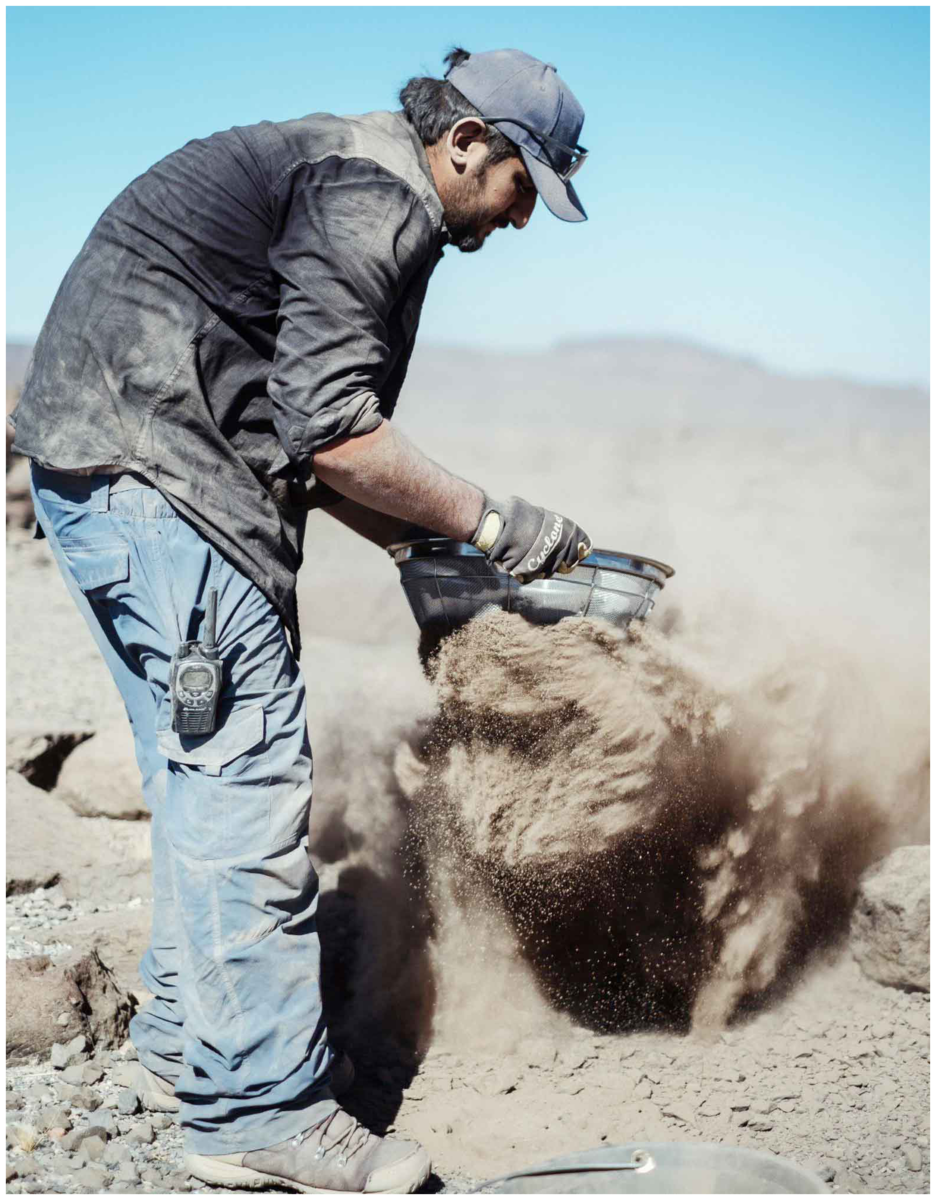
Some of the most important survey and excavation work in modern history have been taking place in the region.
Teams of experts are seeking to decipher the activities associated with ancient stone structures they are excavating across the area surrounding the AlUla.
In the documentary, the archaeologists unearth evidence for an ancient ritual, completely unexpected and extraordinary.
HIGHLIGHTS
• The documentary was made by the Discovery Channel in association with the Royal Commission for AlUla (RCU). It was produced by Powderhouse Productions.
• It reveals startling new discoveries, which reset the timeline for the emergence of complex societies.
The documentary was made by the Discovery Channel in association with the Royal Commission for AlUla (RCU). It was produced by Powderhouse Productions.
Robert Kirwan, executive producer and editor of the documentary, said: “The weeks we spent in AlUla filming alongside the archaeological team were a life-altering experience for me and the rest of the crew. The startlingly spectacular landscape is like nothing I have ever seen. And the stone structures, literally thousands of them dotting the area, have sat untouched for thousands of years. We were walking among the ghosts of unknown ancients, and we could feel their presence, their yearning, to have their story told.”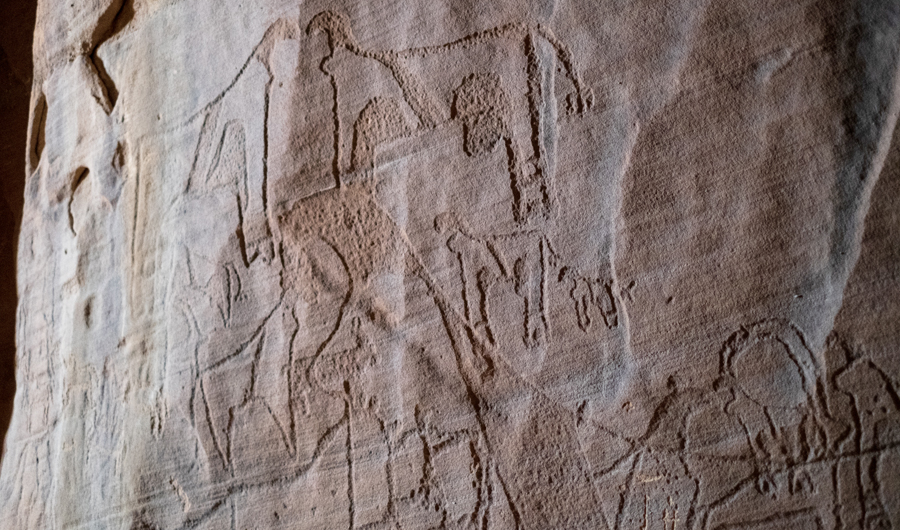
The documentary reveals startling new discoveries, which reset the timeline for the emergence of complex societies. The thousands of mysterious stone constructions built atop of an otherwise barren desert may well hold the missing link to AlUla’s part in a major turning point in the history of mankind.
These discoveries have been the source of great interest from the archaeology community globally and will be unpacked in much more detail over the coming months in the form of published peer-reviewed articles and papers that will change the current understanding of the significance of the Arabian Peninsula.
Rebecca Foote, director of archaeology and cultural heritage research at RCU, said: “We already know much about the major sites such as Hegra, but I hope that the team’s work and this documentary begin to fill in gaps in our knowledge in the late prehistoric period, when societies are becoming more complex.”
She added: “Archaeologists are just beginning to reveal the secrets and stories held within the desert of this stunning landscape, there is much more to discover and we’re excited to be able to share our work and this place with the world through this documentary.”
“The Architects of Ancient Arabia” airs on March 31 at 9 p.m. on OSN (channel 500).


