

Engineering sector making strides to achieve Saudization targets

1 / 2
Several sectors have recently had regulations issued related to new Saudization targets, such as 100 percent for ride-hailing services and customer care call centers. (Getty Images)
2 / 2
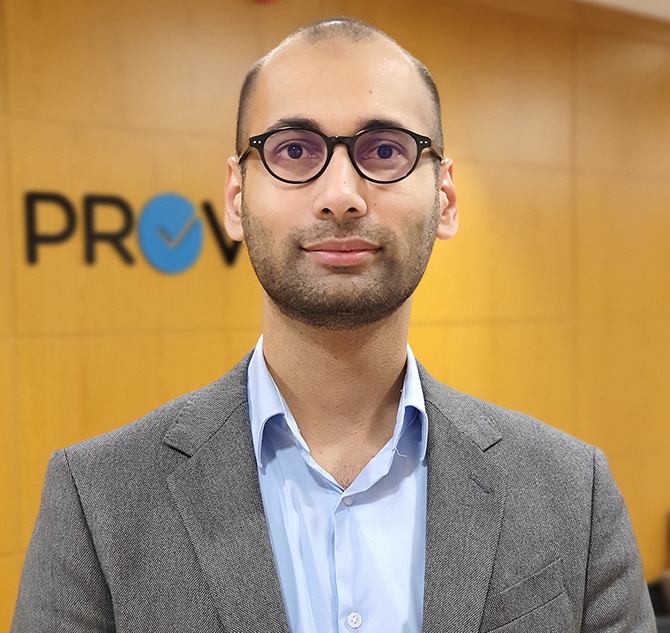
Omer Saleem, director and deputy CEO of Proven
Short Url
Updated 20 March 2021
Follow

Engineering sector making strides to achieve Saudization targets

  • Kingdom wants 20% of 117 engineering fields to be filled by Saudis, creating 7,000 local jobs

RIYADH: Creating employment for young Saudis and reducing dependence on foreign workers was a key long-term goal for the Kingdom’s government.

Recent data has shown that seven major job groupings in the private sector have achieved Saudization figures of more than 50 percent, demonstrating that the policy was producing the desired results.

While the rate across the private sector as a whole is around a quarter, Al-Eqtisadiah newspaper reported that the financial and insurance sector had achieved a rate of 83.6 percent, followed by public administration, defense, and mandatory social insurance (71.9 percent), mining and quarrying activities (63.2 percent), education (52.9 percent), and information and communications (50.7 percent).

There was certainly demand among companies, as recently the Saudi Ministry of Human Resources and Social Development reported that more than 500,000 firms had signed up on the new Qiwa platform, which provides a range of direct online services, including Saudization indicators and certificates, and information on various labor regulations.

Several sectors have recently had regulations issued related to new Saudization targets, such as 100 percent for ride-hailing services and customer care call centers, while 30 percent of all accountancy posts in the Kingdom must now be filled by Saudi nationals.

Proven, an outsourcing firm in Saudi Arabia, has been helping companies adhere to a new ruling that 20 percent of engineering posts must be filled by Saudis.

Omer Saleem, director and deputy CEO of Proven, told Arab News: “In partnership with the Saudi government, the Proven team has created a pool of Saudi nationals with engineering professions, which helped reduce unemployment, supported private sector jobs, and created opportunities for Saudi nationals with the right skill set.”

In August, the ministry announced the Saudization of 20 percent of the Kingdom’s 117 engineering fields. The plan was implemented from the beginning of this year and is forecast to create 7,000 positions for Saudi engineers, each with a minimum wage of SR7,000 ($1,866) per month, as per figures from the Saudi Council of Engineers.

The rule will apply to private establishments employing five or more engineering professionals. Operations with four or fewer foreign engineers will be exempt. Under the regulations, organizations violating the Saudization law could face hefty fines and risk losing out on government services.

In a bid to help private establishments meet the Saudization criteria, the government will offer support and incentive packages allowing them to recruit Saudi engineers, train them, and ensure career stability.

“There is a minimum requirement now for all firms deploying engineers to have a portion of their talent resource base to be Saudi. So, it will essentially create more jobs in the engineering space for locals,” Saleem said.

Proven has teams operating from four offices in the region. “We have 128 corporate staff at the moment and 72 are based in Saudi Arabia. We are looking to add one more office in the Western region with a small team. In addition, we are looking to expand our marketing, human resources, and client relationship teams in 2021,” he added.

On the cost of finding a suitable candidate, he said it depended on the sector and different roles. Saleem noted that there was a deep talent pool in human resources, ITC, and some oil and gas engineering professions.

However, he pointed out that certain specialized roles within healthcare, IT, and finance were challenging to fill because the talent pool maturity in these areas was still young and it took time for skill sets and expertise to develop from experience.

“There is a good, deep talent pool on the industrial side, but more needs to be done in the knowledge sector,” he said.


Saudi investment pipeline active as reforms advance, says Pakistan minister

Updated 09 February 2026
Follow

Saudi investment pipeline active as reforms advance, says Pakistan minister

ALULA: Pakistan’s Finance Minister Mohammed Aurangzeb described Saudi Arabia as a “longstanding partner” and emphasized the importance of sustainable, mutually beneficial cooperation, particularly in key economic sectors.

Speaking to Arab News on the sidelines of the AlUla Conference for Emerging Market Economies, Aurangzeb said the relationship between Pakistan and Saudi Arabia remains resilient despite global geopolitical tensions.

“The Kingdom has been a longstanding partner of Pakistan for the longest time, and we are very grateful for how we have been supported through thick and thin, through rough patches and, even now that we have achieved macroeconomic stability, I think we are now well positioned for growth.”

Aurangzeb said the partnership has facilitated investment across several sectors, including minerals and mining, information technology, agriculture, and tourism. He cited an active pipeline of Saudi investments, including Wafi’s entry into Pakistan’s downstream oil and gas sector.

“The Kingdom has been very public about their appetite for the country, and the sectors are minerals and mining, IT, agriculture, tourism; and there are already investments which have come in. For example, Wafi came in (in terms of downstream oil and gas stations). There’s a very active pipeline.”

He said private sector activity is driving growth in these areas, while government-to-government cooperation is focused mainly on infrastructure development.

Acknowledging longstanding investor concerns related to bureaucracy and delays, Aurangzeb said Pakistan has made progress over the past two years through structural reforms and fiscal discipline, alongside efforts to improve the business environment.

“The last two years we have worked very hard in terms of structural reforms, in terms of what I call getting the basic hygiene right, in terms of the fiscal situation, the current economic situation (…) in terms of all those areas of getting the basic hygiene in a good place.”

Aurangzeb highlighted mining and refining as key areas of engagement, including discussions around the Reko Diq project, while stressing that talks with Saudi investors extend beyond individual ventures.

“From my perspective, it’s not just about one mine, the discussions will continue with the Saudi investors on a number of these areas.”

He also pointed to growing cooperation in the IT sector, particularly in artificial intelligence, noting that several Pakistani tech firms are already in discussions with Saudi counterparts or have established offices in the Kingdom.

Referring to recent talks with Saudi Minister of Economy and Planning Faisal Alibrahim, Aurangzeb said Pakistan’s large freelance workforce presents opportunities for deeper collaboration, provided skills development keeps pace with demand.

“I was just with (Saudi) minister of economy and planning, and he was specifically referring to the Pakistani tech talent, and he is absolutely right. We have the third-largest freelancer population in the world, and what we need to do is to ensure that we upscale, rescale, upgrade them.”

Aurangzeb also cited opportunities to benefit from Saudi Arabia’s experience in the energy sector and noted continued cooperation in defense production.

Looking ahead, he said Pakistan aims to recalibrate its relationship with Saudi Arabia toward trade and investment rather than reliance on aid.

“Our prime minister has been very clear that we want to move this entire discussion as we go forward from aid and support to trade and investment.”