Saudi mortgages jump in January despite global pandemic property pessimism

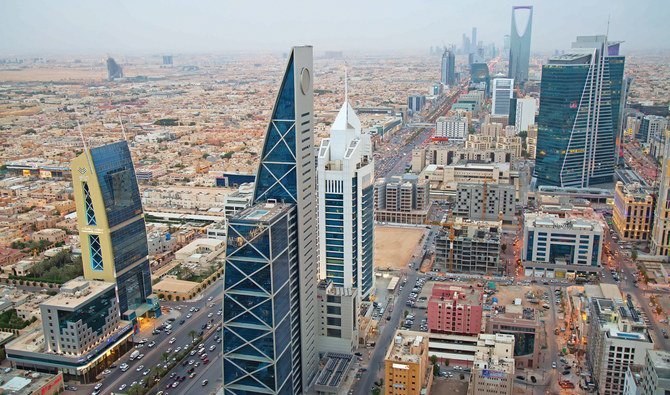
Property markets worldwide have been rattled by the coronavirus pandemic as people have held back from committing to big purchases. (File/Shutterstock)
Short Url
Updated 02 March 2021
Follow

Saudi mortgages jump in January despite global pandemic property pessimism

  • Almost 80 percent of the mortgages that are issued in the Kingdom go towards villas

DUBAI: New Saudi mortgages jumped by more than a third compared to a year earlier according to the latest data from the Saudi Central Bank (SAMA).
Homebuyers shrugged off negative economic sentiment to snap up homes as pent up demand for new properties pushed up the number of mortgage contracts by almost 33,000 - worth some SR16.4 billion ($4.4 billion).
Some 98 percent of the contracts were arranged through banks with the remaining 2 percent sold by financing companies, SAMA said in a statement carried by SPA.
Property markets worldwide have been rattled by the coronavirus pandemic as people have held back from committing to big purchases because of fears over their job security. The Kingdom's residential real estate market has bucked that broader trend because of strong underlying demand and the comparatively recent arrival of a structured mortgage market.
Almost 80 percent of the mortgages that are issued in the Kingdom go towards villas.
Last year the Saudi government removed the 15 percent of value added tax on property transactions to help counter the impact of the COVID-19 pandemic.
That helped to support house prices in key property markets including Riyadh and Jeddah.
Residential sale prices in Riyadh registered an annual increase of 2 percent for apartments and villas last year according to data from JLL, the international property broker.


Saudi Arabia’s foreign reserves rise to a 6-year high of $475bn

Updated 10 sec ago
Follow

Saudi Arabia’s foreign reserves rise to a 6-year high of $475bn

RIYADH: Saudi Arabia’s foreign reserves climbed 3 percent month on month in January to SR1.78 trillion, up SR58.7 billion ($15.6 billion) from December and marking a six-year high.

On an annual basis, the Saudi Central Bank’s net foreign assets rose by 10 percent, equivalent to SR155.8 billion, according to data from the Saudi Central Bank, Argaam reported.

The reserve assets, a crucial indicator of economic stability and external financial strength, comprise several key components.

According to the central bank, also known as SAMA, the Kingdom’s reserves include foreign securities, foreign currency, and bank deposits, as well as its reserve position at the International Monetary Fund, Special Drawing Rights, and monetary gold.

The rise in reserves underscores the strength and liquidity of the Kingdom’s financial position and aligns with Saudi Arabia’s goal of strengthening its financial safety net as it advances economic diversification under Vision 2030.

The value of foreign currency reserves, which represent approximately 95 percent of the total holdings, increased by about 10 percent during January 2026 compared to the same month in 2025, reaching SR1.68 trillion.

The value of the reserve at the IMF increased by 9 percent to reach SR13.1 billion.

Meanwhile, SDRs rose by 5 percent during the period to reach SR80.5 billion.

The Kingdom’s gold reserves remained stable at SR1.62 billion, the same level it has maintained since January 2008.

Saudi Arabia’s foreign reserve assets saw a monthly rise of 5 percent in November, climbing to SR1.74 trillion, according to the Kingdom’s central bank.

Overall, the continued advancement in reserve assets highlights the strength of Saudi Arabia’s fiscal and monetary buffers. These resources support the national currency, help maintain financial system stability, and enhance the country’s ability to navigate global economic volatility.

The sustained accumulation of foreign reserves is a critical pillar of the Kingdom’s economic stability. It directly reinforces investor confidence in the riyal’s peg to the US dollar, a foundational monetary policy, by providing SAMA with ample resources to defend the currency if needed.

Furthermore, this financial buffer enhances the nation’s sovereign credit profile, lowers national borrowing costs, and provides essential fiscal space to navigate global economic volatility while continuing to fund its ambitious Vision 2030 transformation agenda.