DUBAI: The strength and influence of Saudi Arabia’s economy in the world marketplace has grown exponentially during the past few decades.
82 percent of consumers in Saudi Arabia thought that more brands and businesses from Saudi Arabia are becoming well known around the world, according to “Emerging Trends: The Forces Shaping the Future Today,” a 14-market study conducted by Ipsos and Facebook IQ – the company’s insights division – focusing on consumer trends and habits in emerging markets.
67 percent of Saudi consumers also said that the Kingdom is now more connected to the rest of the world than ever before.
Amid the COVID-19 lockdowns, people have been turning to social media not just to stay connected but also to discover new brands and shop online.
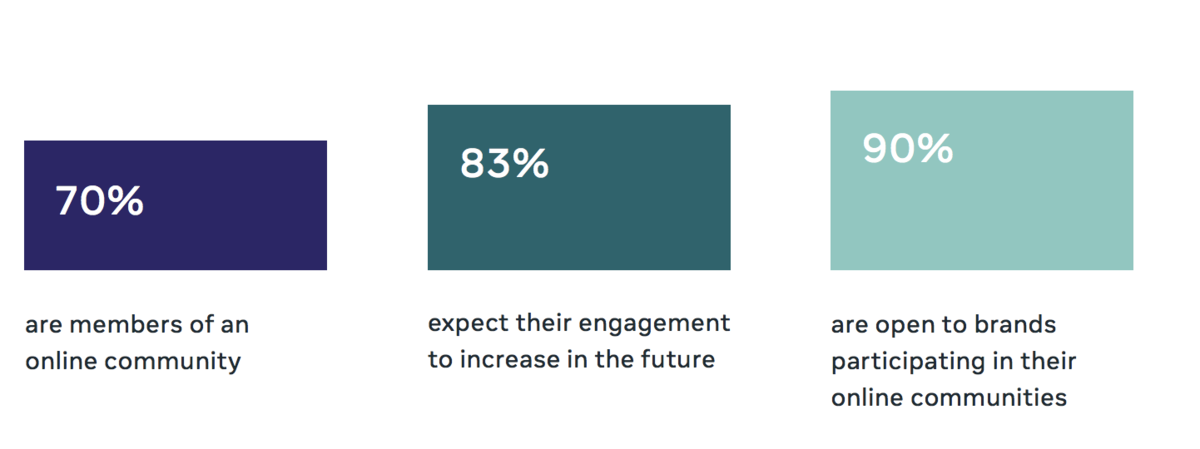
According to the study, 70 percent already belong to an online community, and 90 percent are open to the idea of brands being part of these online communities.
While Instagram is more likely to be used for communities related to food and drinks (47 percent) and fashion (48 percent), Facebook is more likely to be used for gaming communities (39 percent).
Brands have been aware of the increased time spent on social media and have capitalized on this opportunity. One such example is Nestlé Middle East, which created a Messenger bot during Ramadan resulting in people spending 2.9 times longer on its Nestlé website compared to Nestlé’s other campaigns.
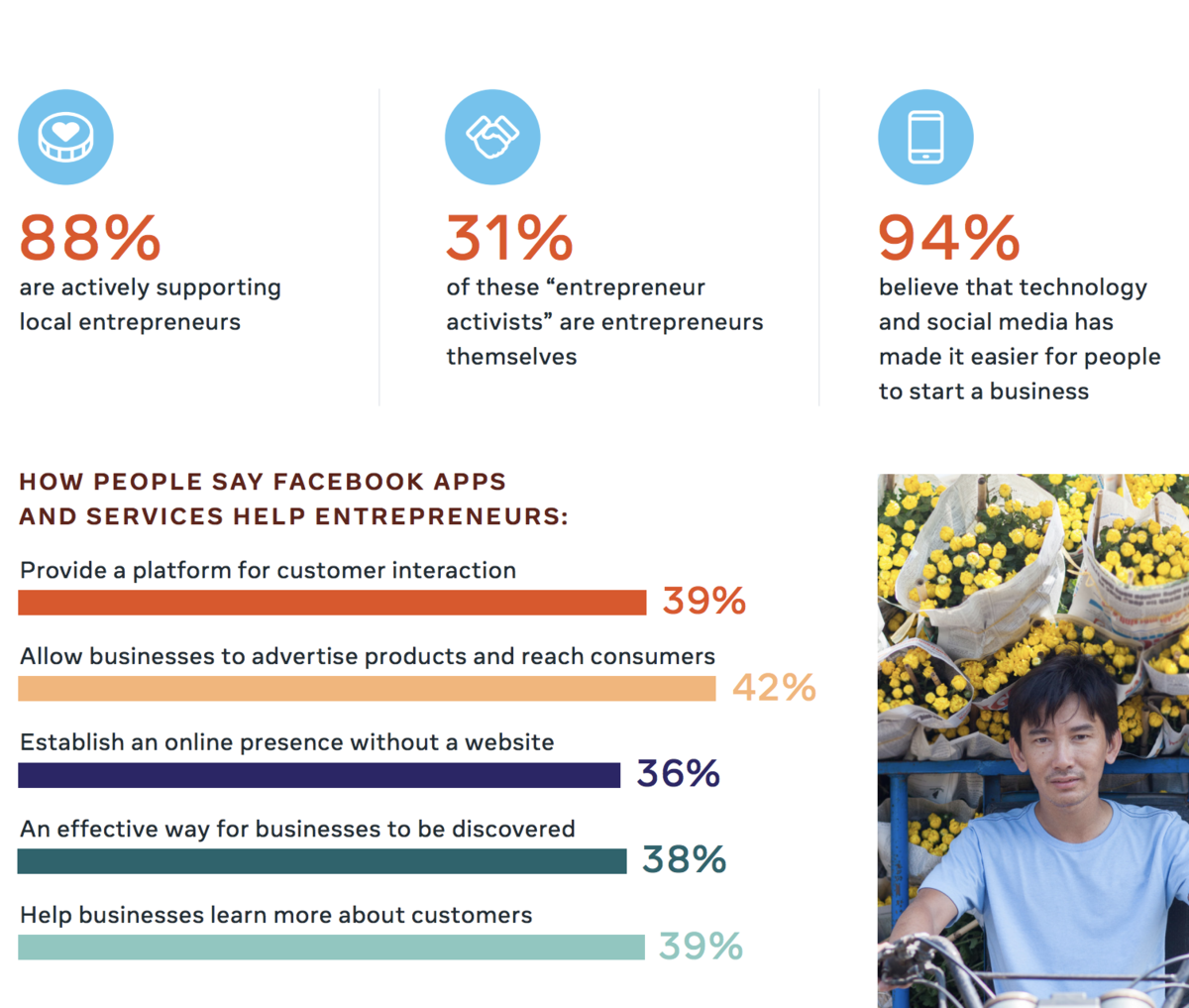
With larger stores staying open during lockdowns, small and medium businesses (SMBs) have been adversely affected. As a result, the latter have taken to social media to increase brand awareness and sales with more consumers showing a propensity toward supporting local businesses. Among those surveyed, 88 percent said they are actively supporting local entrepreneurs and 84 percent feel confident that entrepreneurism will continue to grow in the coming year.
“Social media platforms such as Facebook and Instagram are proving to be essential growth drivers for local brands both in and from Saudi Arabia,” said Ramez Shehadi, Managing Director for MENA at Facebook. “Consumers are readily and rapidly embracing change, and brands can build stronger connections by developing innovative and meaningful digital experiences.”
What consumers want
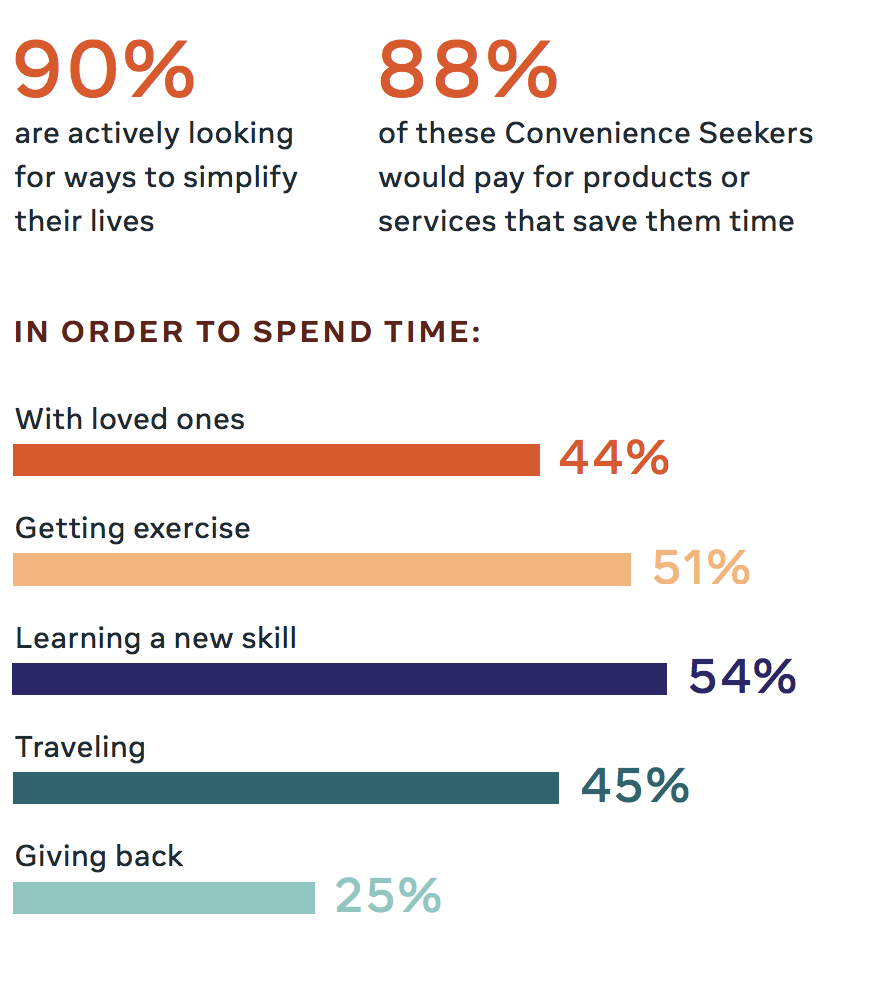
In their responses 90 percent of consumers in the Kingdom said they were actively looking for ways to simplify their busy lives. These “convenience seekers” want to do the things that matter to them – whether that’s being together with loved ones (44 percent), getting fit (51 percent), learning skills for a new career (54 percent) or giving back to their community (25 percent). The report said 88 percent of these “convenience seekers” are willing to pay for products and solutions that save them time.
Saudi consumers are also demanding a new kind of relationship with brands. While 87 percent said social media has allowed them to deepen their relationship with brands, 84 percent were open to trying new ways of shopping.
Most notable among these new ways of shopping are Live Shopping and Augmented Reality (AR).
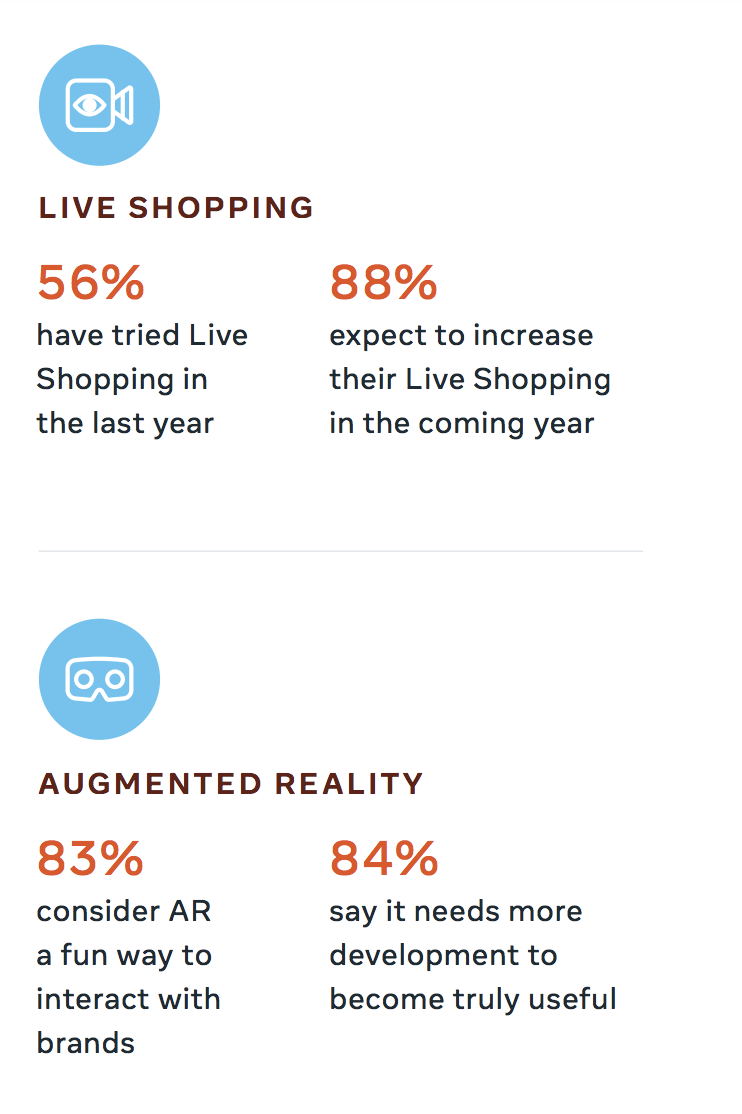
Live Shopping, or live stream shopping, has digitized the home shopping experience via social media, apps and websites, by providing a real-time feedback loop for buyers, including reviews and recommendations of products. This feature allows brands to use live video enabling a live virtual try-on for certain products such as lipsticks. Nearly half of the consumers surveyed (48 percent) say their Live Shopping has increased over the past year with categories such as luxury fashion, auto accessories, sports equipment, and travel accessories being the most popular.
AR is no longer restricted to catching Pokemons or trying on filters. Of those surveyed 88 percent have used an augmented reality feature in the past year, 78 percent said it is a fun way to interact with brands and 91 percent are open to brand-led AR features.
“People continue to experiment with different features and services in their search for convenience,” Shehadi said. “For marketers, whether you engage people via Live Shopping, AR, or interactive polls in stories, the goal should be adding value versus using the technology in and of itself.”