Saudi desert gateway fast becoming the next tourist hotspot

1 / 7
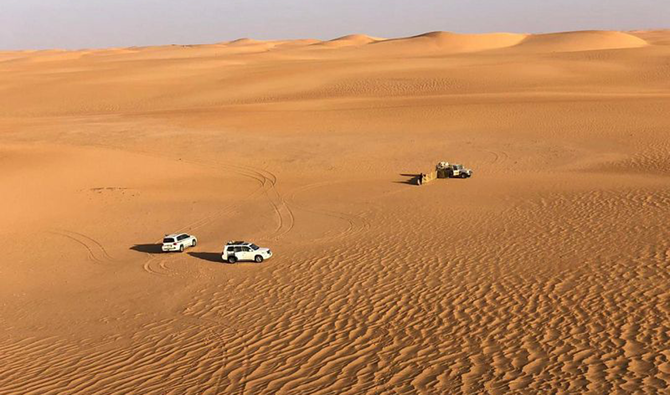
Contrary to popular belief, the desert is not totally isolated. Since ancient times the region has been home to nomadic Bedouins, while also offering a route for commercial caravans journeying from Yemen. (SPA)
2 / 7
The Bedouin, with their rich social traditions and desert survival skills, are a major attraction for visitors. (SPA)
3 / 7
The Bedouin, with their rich social traditions and desert survival skills, are a major attraction for visitors. (SPA)
4 / 7
The Bedouin, with their rich social traditions and desert survival skills, are a major attraction for visitors. (SPA)
5 / 7
The Bedouin, with their rich social traditions and desert survival skills, are a major attraction for visitors. (SPA)
6 / 7
The Bedouin, with their rich social traditions and desert survival skills, are a major attraction for visitors. (SPA)
7 / 7
The Bedouin, with their rich social traditions and desert survival skills, are a major attraction for visitors. (SPA)
Short Url
Updated 17 February 2021
Follow

Saudi desert gateway fast becoming the next tourist hotspot

  • Between November and March, the area offers the promise of adventure for hikers, nature lovers

JEDDAH: The city of Najran on the edge of the Empty Quarter — one of the world’s largest sand deserts — is fast becoming Saudi Arabia’s most promising tourist destination, as visitors come in search of historical sights and tales of generations past.

Between November and March when seasonal winds ease, the desert offers the promise of adventure for hikers and nature lovers, while others prefer the relative comfort of road trips.

The vast sea of sand extends from the Al-Arid mountain range and nature reserve to Yadamah Province’s high Uruq Al-Mundafin.

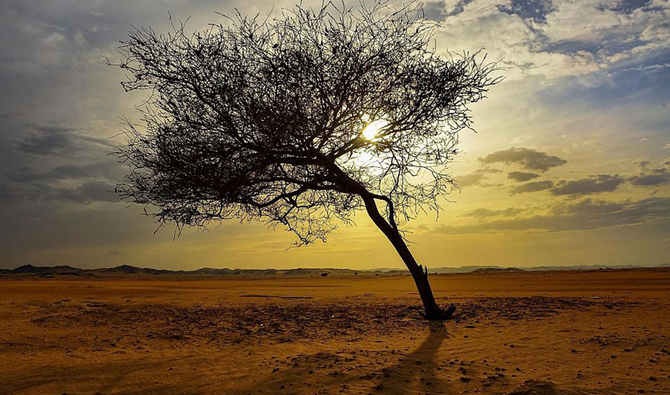
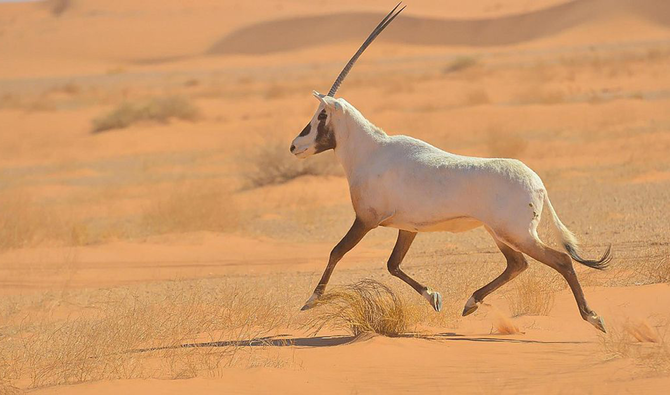
Home to unique desert vegetation, the reserve is considered a sanctuary for a number of threatened desert species, such as the Arabian oryx, the Arabian red fox, the ostrich, the goitered gazelle and Arabian bustard.

Tourist guide Mohammed Al-Mustanir told Arab News that the Bedouin, with their rich social traditions and desert survival skills, are a major attraction for visitors.

“Raising camels is still their trademark, and they take care of their herds across the sandy regions from Uruq Bani Zabadah to Hamra Nathil,” he said.

According to Al-Mustanir, tourist groups visiting Najran in the past two years made the Empty Quarter and the archaeological sites of Hima wells a top priority.

“What distinguishes the Empty Quarter from other deserts is the difference of the sand dunes in terms of color, form and height,” he said.

HIGHLIGHTS

• The vast sea of sand extends from the Al-Arid mountain range and nature reserve to Yadamah Province’s high Uruq Al-Mundafin.

• Home to unique desert vegetation, the reserve is considered a sanctuary for a number of threatened desert species, such as the Arabian oryx, the Arabian red fox, the ostrich, the goitered gazelle and Arabian bustard.

• Another popular spot is the Sharurah’s Hamra Nathil, 400 km from Najran.

• Proof of its rich history can be seen through old wells found in the dunes of Al-Minkhali and Umm Al-Wahat, along with the wells of Khatma over 100 km away from Khibash Province.

Al-Mustanir’s tour kicks off 15 km from the airport at the nearest point to the Empty Quarter in Urq Bani Zabadah, where the golden dunes can rise as high as 80 meters.

Another popular spot is the Sharurah’s Hamra Nathil, 400 km from Najran. “It’s an important grazing land in the desert and is often frequented by camel owners because of its abundant grass and old wells,” he said.

Reem Al-Abdali, a project coordinator in Jeddah who visited Najran four years ago, said: “My older sister and I wanted to see the sights around the country. Najran has stayed with me the most due to the historical and archaeological sites, inscriptions on the mountains, the ancient castle and the beautiful waterfall park.” 

Al-Abdali has no doubt that Najran will flourish as a tourist destination, as people will want to explore the desert and see more of the Saudi people’s rich heritage.

“Unfortunately, we didn’t venture into the Empty Quarter, but maybe in the future,” she said. “I believe the investment in tourism will definitely attract more people not just from foreign countries but locals as well.”

Contrary to popular belief, the desert is not totally isolated. Since ancient times the region has been home to nomadic Bedouins, while also offering a route for commercial caravans journeying from Yemen.

Proof of its rich history can be seen through old wells found in the dunes of Al-Minkhali and Umm Al-Wahat, along with the wells of Khatma over 100 km away from Khibash Province.

These wells bear witness to the numerous caravans traveling from south to north. The remains of dried lakes also highlight the region’s earlier biodiversity.



Japan consulate in Jeddah celebrates cinema with Red Sea Film Festival guests

Updated 13 sec ago
Follow

Japan consulate in Jeddah celebrates cinema with Red Sea Film Festival guests

JEDDAH: As part of the celebrations marking 70 years of diplomatic relations between Japan and Saudi Arabia, the Consulate General of Japan in Jeddah hosted a special reception on Sunday evening for guests of the Red Sea International Film Festival.

The gathering, held at the consul general’s residence, highlighted the strengthening cultural ties between the two nations and Japan’s growing presence at the festival.

Speaking to Arab News on the sidelines of the event, Daisuke Yamamoto, consul general of Japan in Jeddah, said: “We are happy to have a gathering today. This is the first time Japan has held this kind of event related to the Red Sea Film Festival. Although it is the festival’s fifth edition, Japanese representation in previous years was limited. I encouraged our film industry to engage more, and I am happy that five Japanese films are being screened this year.”

While noting the absence of Japanese actors at the festival, he said the presence of producers and directors marks an important step forward. “There are already discussions about potential collaborations, and this reception is an excellent opportunity to build on the proposal we received from the Red Sea organizers.”

Yamamoto highlighted the longstanding partnership between Japan and Saudi Arabia in key sectors such as petrochemicals and the automotive industry, and expressed hope that cinema will become a new bridge for cooperation.

“I have known Saudi Arabia for many years and have seen remarkable, positive changes. We hope the Japanese film industry can be part of this dynamic transformation as well,” he added.

The event, organized in cooperation with the Red Sea Film Foundation, brought together about 50 attendees, including government officials, several consuls general, representatives from the Jeddah Historic District Program, festival guests and Saudi cultural figures.

Welcoming the guests, Yamamoto expressed his appreciation to the Ministry of Culture, the Jeddah Historic District authorities, and the Red Sea Film Foundation for their close cooperation throughout the year.

He noted the increasing cultural engagement between the two countries, including the hosting of several Japanese cultural programs in the historic district.

“Cinema is a noble art and a global cultural window that connects peoples and fosters cultural exchange, thus promoting openness to cultural diversity,” Yamamoto said in his address.

This aligns with the goals of Saudi Vision 2030, he added. “Our two friendly countries are collaborating to achieve this vision through the ‘Saudi-Japanese Vision 2030’ Committee, and the Ministry of Culture, through its Jeddah Historical District, is implementing it with insightful and open leadership to the fullest extent.”

Well-known Saudi actor, writer and producer Abdullah Al-Sadhan, who attended the reception, praised both the festival and the Japanese Consulate for their hospitality.

“It’s always a pleasure to return to the Red Sea International Film Festival and see how it continues to grow,” he said, adding: “This gathering by the Japanese consulate reflects a genuine interest in building bridges with our film community. Events like this open the door for stronger cooperation between Saudi and Japanese creators, which can only enrich the industry on both sides.”

Maiyada Mahdaly, secretary of the consul general, said: “Through this event, we celebrated the vibrant spirit of cinema and the growing cultural connection between our countries. We also welcomed talents from Saudi Arabia, Japan and beyond to honor creativity, collaboration and the power of storytelling that transcends borders.”