

Saudi woman starts local farm with 100,000 banana trees

1 / 4
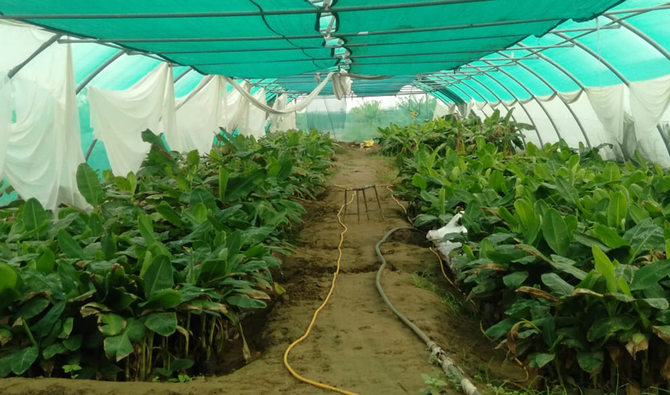
The project was launched a year ago, and the part of it that is cultivated now occupies about 500,000 square meters. (Supplied)
2 / 4
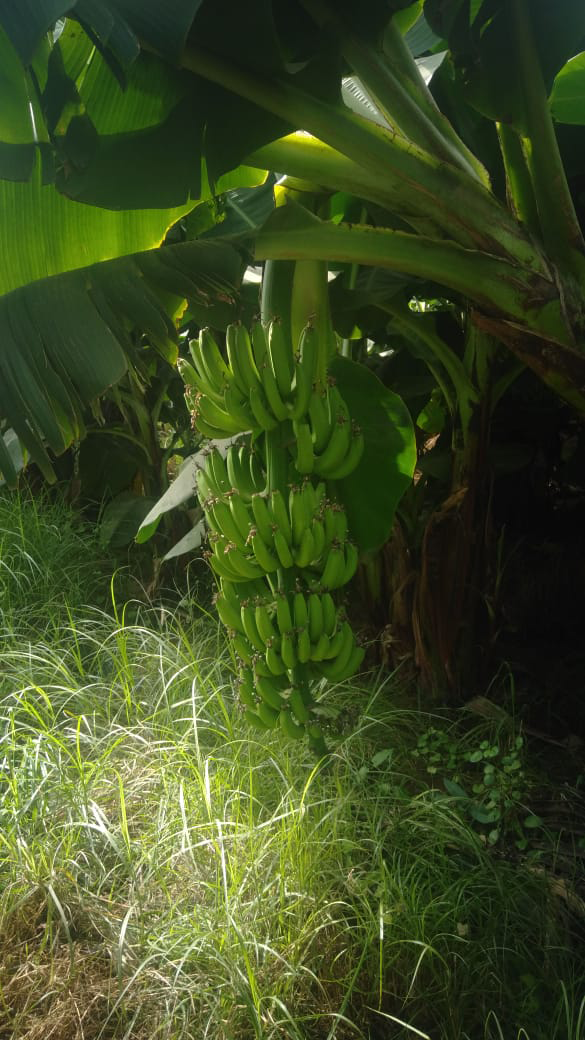
The project was launched a year ago, and the part of it that is cultivated now occupies about 500,000 square meters. (Supplied)
3 / 4
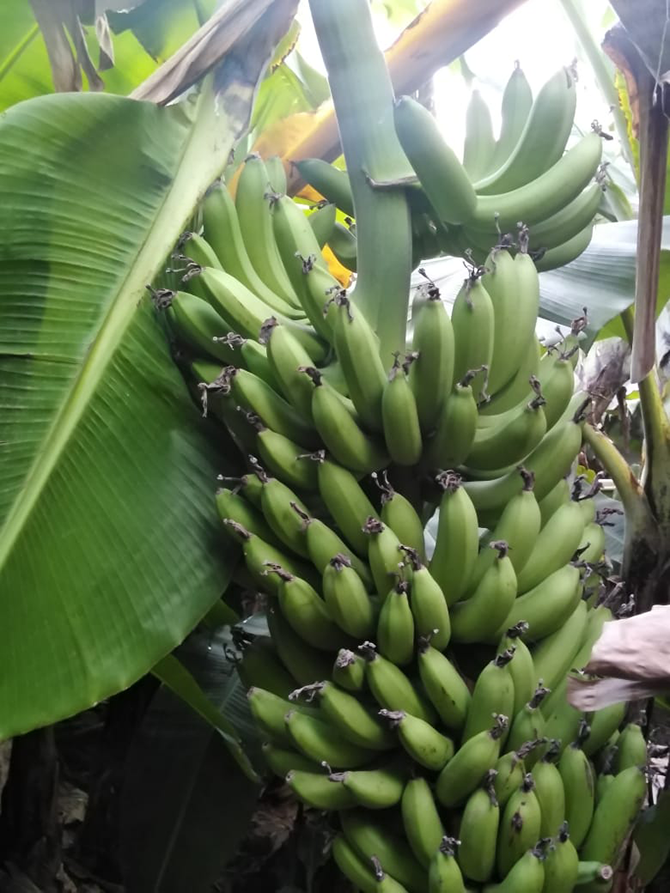
The project was launched a year ago, and the part of it that is cultivated now occupies about 500,000 square meters. (Supplied)
4 / 4
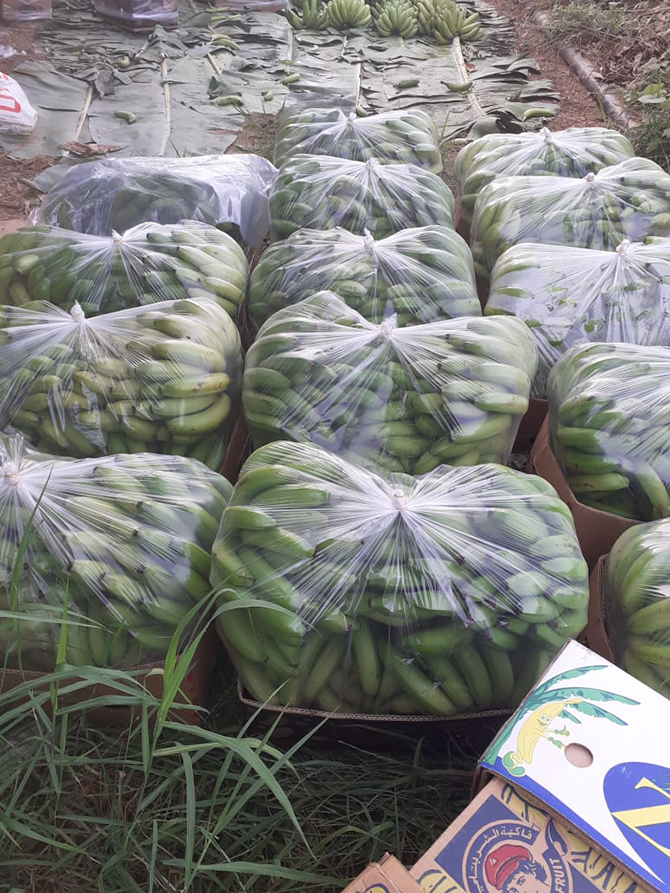
The project was launched a year ago, and the part of it that is cultivated now occupies about 500,000 square meters. (Supplied)
Short Url
Updated 17 February 2021
Follow

Saudi woman starts local farm with 100,000 banana trees

  • Banana cultivation has an excellent economic return, as the tropical fruits are produced on a daily basis over the course of six months, with profits of up to SR12 million ($3.2 million) annually

MAKKAH: Saudi businesswoman Zulekha Al-Kaabi has started a banana farm in Damad, in Jazan, southern Saudi Arabia, with more than 100,000 banana trees that offer an annual production of 20 tons.

“These projects guarantee local sufficiency, in addition to creating economic balance,” Al-Kaabi told Arab News, adding that the projects are similar to banana plantations in Ecuador but are cultivated by Saudi hands.

Her project was launched a year ago, and the part of it that is cultivated now occupies about 500,000 square meters. “The project focuses on the cultivation of bananas and papayas. The bananas are the usual yellow ones, but we also grow red bananas.”

She pointed out that red bananas will be produced in about two months, and preparations are being made to cultivate blue bananas later.

“Bananas are harvested when they are green. After the filling stage, they are placed in cooling refrigerators for 24 hours before they are sprayed with ethylene gas for another 24 hours,” she explained. “The gas aids the ripening process. The bananas are then cooled until they turn yellow.”

She pointed out that previously, there used to be large pits in which banana leaves were placed. Bananas would then be placed in the leaves and covered until the next day to provide appropriate temperatures and gas for ripening. “However, this method is not necessary now in light of industrial progress,” she said.

Banana cultivation has an excellent economic return, Al-Kaabi explained, as the tropical fruits are produced on a daily basis over the course of six months, with profits of up to SR 12 million ($3.2 million) annually.

Al-Kaabi said that her travels around the world and experiences in aquaculture refined her economic thinking.

After successfully growing strawberries on a farm in Makkah, she determined that bananas would be the best product to cultivate now, adding that the climate of Jazan is similar to that of Kenya and Uganda.

One of the businesswoman’s biggest challenges in initiating her project was the lack of organization on farms, in addition to the limited opportunities for Saudis — from farming to sales outlets — due to the presence of foreign workers.

She has leased a large area in Jazan over a period of 20 years, where every tree and tool on the farms will be granted to the farm owners at the end of the period, along with packaging factories, production lines and machines.

Al-Kaabi’s goal is not only financial revenue. She also seeks to serve all farmers in Jazan “as they sell their products below the average rate and cannot offset their losses, while those same products are sold for huge sums.”

She currently has her name and logo printed on boxes.


Winter at Tantora Festival returns to AlUla, showcasing rich cultural heritage

The festival derives its name from the Tantora, an ancient sundial situated in the Old Town’s center. (SPA)
Updated 19 December 2025
Follow

Winter at Tantora Festival returns to AlUla, showcasing rich cultural heritage

  • Festival now established as a premier annual event

AlUla: The Winter at Tantora Festival launched on Thursday in AlUla. It runs until Jan. 10 and presents a cultural season which celebrates the region’s rich civilizational, cultural, and historic legacy.

The festival’s program includes a wide array of cultural, artistic, and traditional activities, reported the Saudi Press Agency. 

Attractions include Old Town Nights, Shorfat Tantora, When Shadow Tracks Us, and the Al-Manshiyah Carnival.

FASTFACT

In the past, AlUla’s inhabitants used this clock to measure time and coordinate their agricultural activities.

In addition, there are guided tours of street art through the Old Town, special events commemorating the Year of Handicrafts, culinary experiences, and artistic and musical performances.

The festival derives its name from the Tantora, an ancient sundial situated in the Old Town’s center. In the past, AlUla’s inhabitants used this clock to measure time and coordinate their agricultural activities. The modern festival honors this tradition by marking the onset of winter and the start of the planting season.

This year’s edition offers a range of experiences to celebrate heritage, genuine local culture, and traditional craftsmanship. 

As part of AlUla Moments, the Winter at Tantora Festival supports efforts to boost cultural and tourist engagement while enhancing the visitor experience.

The initiative reflects Saudi Vision 2030’s commitment to advancing cultural tourism and promoting the Kingdom’s historic landmarks.

The festival has established itself as one of AlUla’s premier annual events, consistently attracting both domestic and international audiences.