

Aramco’s entrepreneurship arm invests in Makkah startup

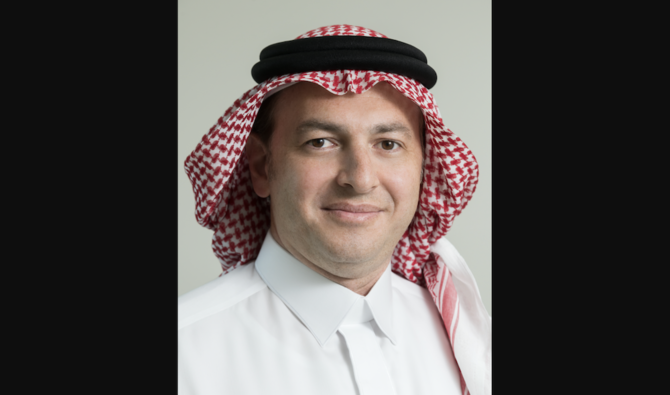
Wa’ed Managing Director Wassim Basrawi. (Supplied)
Short Url
Updated 10 February 2021
Follow

Aramco’s entrepreneurship arm invests in Makkah startup

  • Averos makes contactless remote monitoring technologies that enable real-time tracking of individuals, goods, vehicles
  • Averos plans to use the latest funding, its second from Wa’ed since 2019, to expand its presence in the European market

RIYADH: Wa’ed, the entrepreneurship arm of Saudi Aramco, on Wednesday announced new funding for Saudi security company Averos.

Makkah-based Averos makes contactless remote monitoring technologies that enable real-time tracking of individuals, goods and vehicles, both outdoors and within large buildings such as convention halls, airports and hospitals.

The company plans to use the latest funding, its second from Wa’ed since 2019, to expand its presence in the European market. The size of the investment was not revealed.

“It is not easy for Saudi tech startups to get the attention and funding they deserve, and Wa’ed is playing a critical role in filling this gap and driving entrepreneurial culture in the Kingdom,” said Yusuf Sabadia, co-founder and CEO of Averos.

Sabadia launched Averos in 2016 along with Shaharyar Ali Anis, Dr. Saleh Basalamah and Dr. Anas Basalamah.

They all have connections to Umm Al-Qura University in Makkah, a hub for Saudi research into indoor location-based technology.

The Kingdom is emerging as a leader in this sector, in part due to its work to improve the safety of millions of pilgrims who perform the annual Hajj rituals in Makkah and Madinah.

Averos recently won a contract to supply an indoor monitoring system to a Swiss epilepsy clinic. It also has a pilot project with Intel, the US chipmaker.

“Averos is an example of a Saudi-grown technology with global reach,” said Wassim Basrawi, Wa’ed managing director. “At Wa’ed, we are committed to helping the next generation of Saudi entrepreneurs pursue their business dreams internationally, helping the Kingdom compete on the global stage.”

Last month, Wa’ed reported that it had tripled the amount of money loaned to startups in the Kingdom in 2020.

The Dhahran-based initiative gave out 12 loans to small and medium enterprises, up from four in 2019, with the total value surging to SR31 million ($8.27 million), from SR10 million in 2019.


Saudi-US roundtable meeting held to strengthen economic relations

Updated 20 January 2026
Follow

Saudi-US roundtable meeting held to strengthen economic relations

RIYADH: The Saudi-US Roundtable was held in Riyadh on Jan. 20, coinciding with the ninth session of the Saudi-US Trade and Investment Association, organized by the General Authority for Foreign Trade.

The meeting was attended by the Deputy Governor of International Relations at GAFT Abdulaziz Al-Sakran and the Secretary General of the Federation of Saudi Chambers Waleed Alorainan. It was also attended by the President and CEO of the Saudi-US Business Council Charles Hallab and representatives from government agencies, as well as 83 private sector companies.

The meeting reviewed ways to strengthen economic relations between Saudi Arabia and the US. It also explored opportunities for trade and investment cooperation in various sectors that play a fundamental role in developing trade ties and increasing bilateral trade volume, which reached approximately $33 billion in 2024.

Al-Sakran indicated that the roundtable meeting comes within the framework of the authority’s keenness to enhance the role of the private sector in developing trade relations by enabling it to access foreign markets and removing all external obstacles it faces, in coordination with relevant entities.

He noted that trade relations between the Kingdom and the US have witnessed significant economic activity, resulting in a trade volume exceeding $500 billion over the past decade.

It is worth noting that GAFT works to develop bilateral trade relations by overseeing business councils and coordination councils. In addition, it enables Saudi Arabia’s non-oil exports to access foreign markets and helps overcome the various challenges they face.