

Saudi researcher uses images to explore heritage, share Kingdom’s past with others

1 / 3
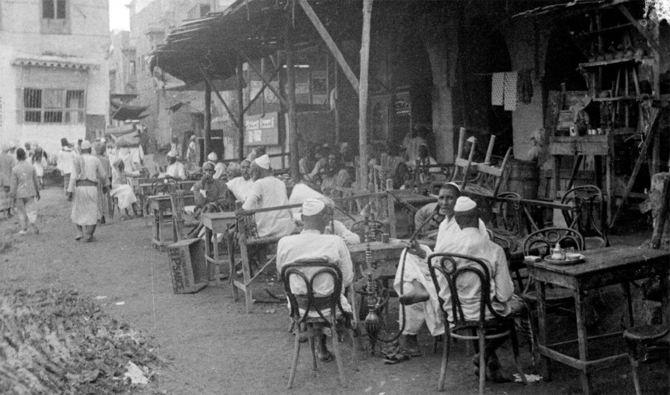
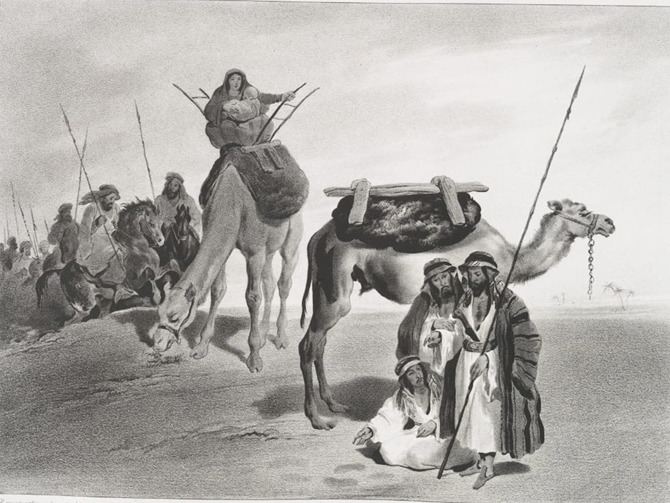
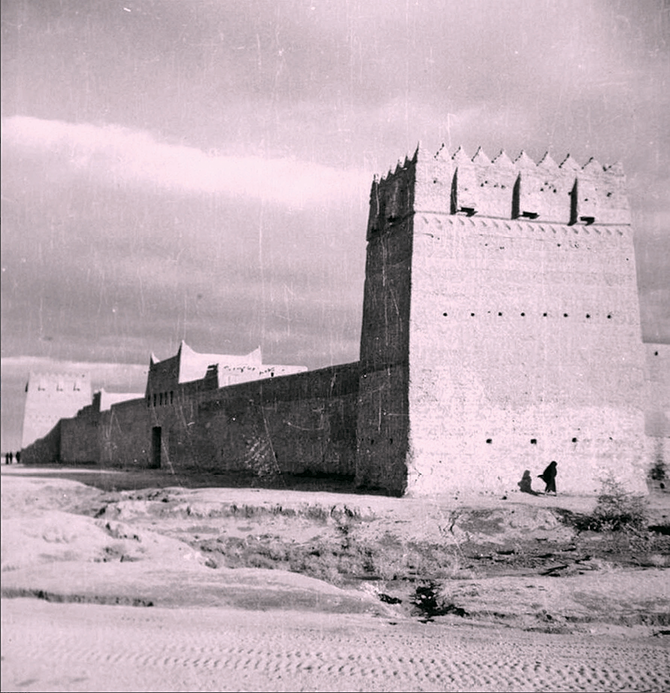
Ghadal Al-Muhanna Abalkhail began collecting old pictures of Saudi Arabia and the wider Gulf region as a tool to fight homesickness. Later, with support from friends she streamlined her collection for others to get a glimpse of the region. (Photo/Supplied)
2 / 3
Ghadal Al-Muhanna Abalkhail began collecting old pictures of Saudi Arabia and the wider Gulf region as a tool to fight homesickness. Later, with support from friends she streamlined her collection for others to get a glimpse of the region. (Photo/Supplied)
3 / 3
Ghadal Al-Muhanna Abalkhail began collecting old pictures of Saudi Arabia and the wider Gulf region as a tool to fight homesickness. Later, with support from friends she streamlined her collection for others to get a glimpse of the region. (Photo/Supplied)
Short Url
Updated 03 February 2021
Follow

Saudi researcher uses images to explore heritage, share Kingdom’s past with others

  • Ghada Al-Muhanna Abalkhail says archives remain the only way to look into the history of civilizations and nations

MAKKAH: Inspired by a strong sense of belonging, a Saudi “Berliner” is discovering the roots of Arabia one precious image at a time.

For thousands of Saudis temporarily leaving the Kingdom to continue graduate studies or work, home is where family is and memories were made — along with the familiar and comforting sights and sounds of their city or region.

The bond grows stronger with distance, but homesickness at times hits harder than many would like.

It is in these moments that Ghada Al-Muhanna Abalkhail turns her field of expertise into a tool to face her predicament, inadvertently giving Saudis everywhere a glimpse of home and foreigners an insight into the Kingdom’s humble beginnings.

After moving to Berlin three years ago and working as a nonresident researcher at the Gulf Research Center, Abalkhail, like thousands before her, grew homesick for the flavors and sights of her homeland.

“Everywhere I looked in Berlin, I tried to find something resembling Riyadh. I missed the blazing heat, the chatter of people, the crowded streets and, most importantly, my family,” she told Arab News.

“So, as a way to deal with my predicament, I used to look through archives for everything related to Saudi Arabia. I would spend hours searching and reading about whatever I found, and doing so on a daily basis gave me comfort and eased the feeling of longing,” she said.

In doing so, Abalkhail hit a gold mine and began sharing the material she was allowed to on Twitter. With time, many grew interested and fellowship increased. 

“More people began following and commenting about how this photograph belonged to a family member of theirs or how this film showed their region’s history and so on,” she said.

“I knew they were missing their families, too, and that fueled me. I began feeling a sense of responsibility to find the bigger family — my Arabian family,” she said.

Excited and energized by the support, Abalkhail found herself telling the story of the Kingdom and Gulf region to many Berliners one image at a time, only to realize that the story is still not being told right, and that there is a lot more left to tell.

She began structuring the account to provide information to whoever needed it, trying her best to relay stories to which people could relate. 

“The reaction was more than positive. It was outstanding, and I’m extremely thankful to the followers for always helping to improve the account and its content, whether by adding more comments to the original post or correcting some of the information that was wrongly written in the archives,” she said.

“Over time, and with more follower interactions, I realized how essential it is for us to have an archive. Everyone uses an archive — from scientists to artists, journalists to filmmakers and beyond. They all rely on information provided from archives to further the product that they are working on.”

Abalkhail said that by using the ancient art of storytelling, it was easy to start compiling material to tell the story of Arabia, with images revealing the culture, lifestyle, fashion, struggles and more that made the Kingdom what it is today.

Saudi Arabia is the creation and representation of its past — and archives remain the only way to look into the history of civilizations and nations, and understand who they are as a people, she said.

“I dream of one day seeing a national archive that holds all materials related to the Kingdom, and where a citizen, resident or foreigner can access and learn more about the beautiful history and culture of our country,” Abalkhail said.

“We owe it to the ancestors who sacrificed so much for us to be here today.”


Taif festival inspires readers of all ages

Updated 5 sec ago
Follow

Taif festival inspires readers of all ages

  • Hands-on activities, storytelling, and interactive spaces engage children, families, and literary enthusiasts alike

JEDDAH: The Literature, Publishing and Translation Commission launched the third Writers and Readers Festival at Arruddaf Park in Taif, running through to Jan. 15 under the slogan “Your Presence Matters.”

Daily programming, from 4 p.m. to midnight, offers a cultural and recreational experience honoring writers and readers across generations, blending heritage with modern cultural expression.

Commission CEO Abdullatif Al-Wasel said the festival supports Vision 2030 by promoting culture as a lifestyle, broadening intellectual horizons, and empowering citizens to contribute to cultural advancement.

Taif, the Kingdom’s first UNESCO Creative Cities Network literature city, provides a fitting backdrop for the festival’s comprehensive cultural-recreational programming, the Saudi Press Agency reported on Saturday.

Al-Wasel said that the festival targets all segments of society, balancing knowledge enrichment with recreational activities, and fostering interaction among writers, readers, and thinkers.

It celebrates the literary ecosystem and provides a platform for creatives from Saudi Arabia and abroad to exchange ideas, enriching the cultural scene, he added.

The festival spans four main sites — Aldarb, Almatal, Alfanaa, and Alsarh — and features more than 270 events including 176 cultural activities, 84 theatrical performances, seven musical and poetry evenings, and 45 literary and artistic works.

Approximately 42 publishing entities, both domestic and international, participate, giving visitors access to contemporary releases across literary, intellectual, and knowledge domains.

Commission-developed interactive platforms facilitate direct engagement between publishers and audiences, advancing reading culture and contemporary creative discovery amid strong interest from publishing sector stakeholders.

Al-Fina’ zone’s “Between Reality and Imagination” program blends visual storytelling with animated narrative, following protagonist Haya’s creative journey and introducing visitors to Arab and international literary dimensions.

Multi-station narrative exploration covers mythology, folklore, science fiction, mystery, and epic verse, emphasizing the transition between reality and imagination through modern interactive formatting.

Twenty artistic platforms showcase artisan products, while interactive spaces allow visitors to enjoy poetry, music, explore historical literary figures, and experience diverse genres from novels to manga.

An interactive pavilion introduces the commission’s role in supporting literature, publishing, and translation, highlighting its initiatives, projects, and future plans.

A children’s area features five sections with hands-on activities, educational games, and a storyteller’s theater, promoting creativity, critical thinking, and cultural values.