

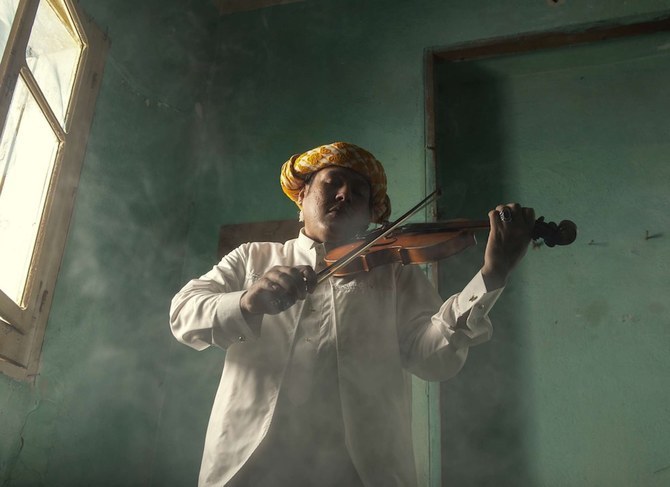

DUBAI: Elyas Yaseen is unlike other men his age from Yanbu, a small port city on Saudi Arabia’s Red Sea coast. He is a gifted musician, known for his proficiency at playing the violin, the oud and the qanun. The young Saudi talent also has an aspiration: to establish, with the government’s help, a music school in his coastal hometown so he can teach others to play and allow more young Saudis like him to realize their potential.
In the absence of specialist academies and music in the Kingdom’s national curriculum, most Saudi musicians are self-taught, relying on platforms like YouTube to pick up the basics. Others look to friends or family for private lessons, limiting their scope for development. But with the country’s social-reforms programs taking hold, this is beginning to change.
Yaseen, the youngest of six, has been interested in music since the age of eight when he first fell in love with string instruments. “I was raised among musicians,” Yaseen told Arab News. “My older brother, who played the qanun, and my father, who was one of the musical pioneers here and played Yanbu’s local instrument — the simsimiyya — are musicians and both of them gave me the passion to play. This is how I started.”
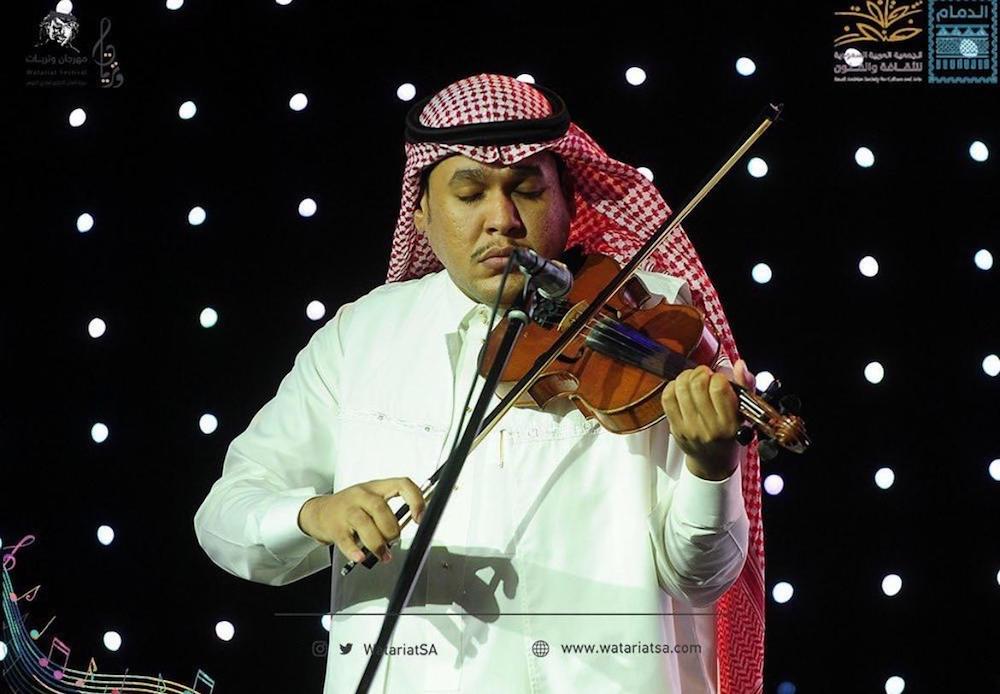
Following a few rudimentary lessons from his father and brother, Yaseen spent the next decade mastering the instrument at home. (Supplied)
Born and raised in Yanbu, Yaseen attended his local university before realizing his true calling lay in music. After learning to play the simsimiyya, a traditional lyre instrument, he discovered his passion for the violin.
Following a few rudimentary lessons from his father and brother, Yaseen spent the next decade mastering the instrument at home. He was largely self-taught — until an unmissable opportunity presented itself to study abroad.
“I went to Egypt and met a very famous violinist called Abdo Dagher and I took many classes with him at the Cairo Opera House to improve my skills on the violin,” he said. “I knew by then that I wanted to play the violin professionally and that I wanted to be a professional musician in Saudi Arabia.”
Opportunities to study and perform music in Saudi Arabia were limited until fairly recently. Now the Ministry of Culture has started issuing licenses for the Kingdom’s first musical training institutes. Once it begins accepting online applications in the coming months, a vibrant domestic music industry is sure to follow.
The liberalization of music culture is part of a broader effort to promote the entertainment and leisure sectors in Saudi Arabia, aimed at creating jobs and weaning the country off its economic dependence on oil, while also sharing its homegrown talents with the world.
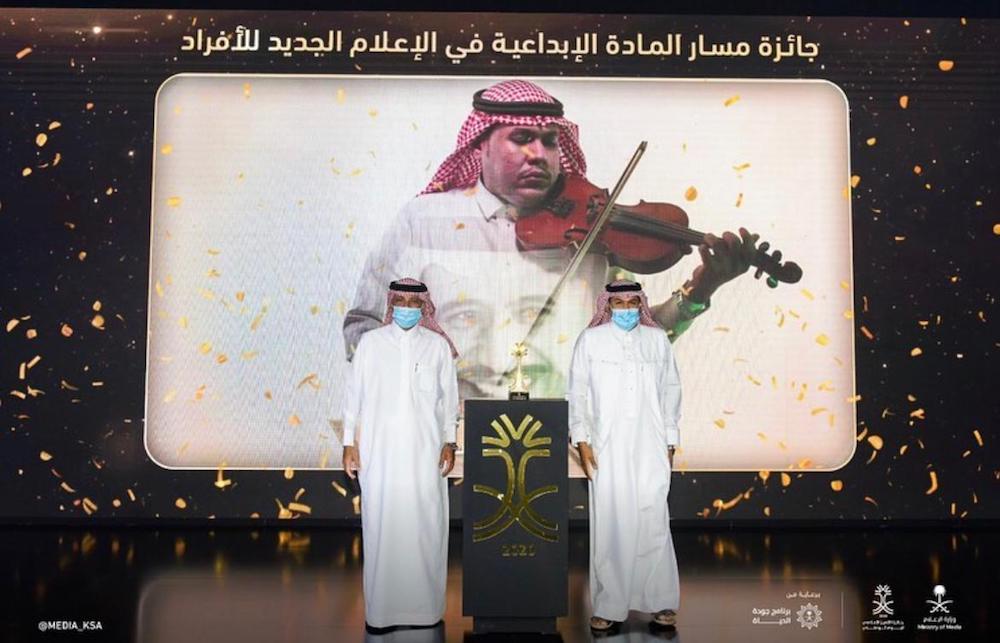
Yaseen is seeking support from the Saudi government to establish his own music academy in Yanbu. (Supplied)
Now Yaseen is seeking support from the Saudi government to establish his own music academy in Yanbu, offering classes in the gamut of instruments to students of all ages.
“We don’t have that yet, but I really hope we will achieve it,” he said. “For now, I provide private classes to my friends, the youth and children who are interested in learning the violin and the oud.”
As a Saudi whose training in Egypt enabled him to reach standards of musicianship that most people can only aspire to, Yaseen hopes the Ministry of Culture will heed his call.
“We have to go through many processes. There’s a lot of bureaucracy. But there’s a lot of demand from young Saudis who want to play instruments, and I receive many requests daily from both men and women,” he said.
“It’s a passion for them too and they want me to teach them, but I don’t have a place that is large enough to teach everyone. I just want to help others in their musical journey because it’s enjoyable for me.”
FASTFACTS
Music in the Kingdom
* Saudi Arabia granted licenses for two music colleges in Dec. 2020.
* The institutes will offer cultural and artistic training programs.
* Licenses to be granted for theater, music, literature, publishing, translation and museums.
* Licenses for music practitioners will cover musicians, acoustics and production.
Some of Yaseen’s earliest musical inspiration came from Egyptian singer and actress Umm Kulthum, one of the best-selling Middle Eastern artists of all time, whose songs he set to the violin. “They’re not easy to play by a young person like myself,” Yaseen said.
However, it was Yanbu’s distinctive culture that truly captured his imagination.
“We have traditional music here, which includes special songs for locals, describing their life, from the old generation to the young generation. And from that, I created a new genre on my own,” he said.
Even as his musical proficiency grew under Dagher’s mentorship, Yaseen never lost sight of these early influences. Progressing in leaps and bounds, he soon graduated from Helwan University’s Faculty of Music Education in Cairo with an outstanding grade.
He still feels a deep debt of gratitude to his teacher. “I feel very grateful to him,” Yaseen said. “He is the main reason I am where I am today. We are still in touch. We talk regularly and we still have a strong friendship.”
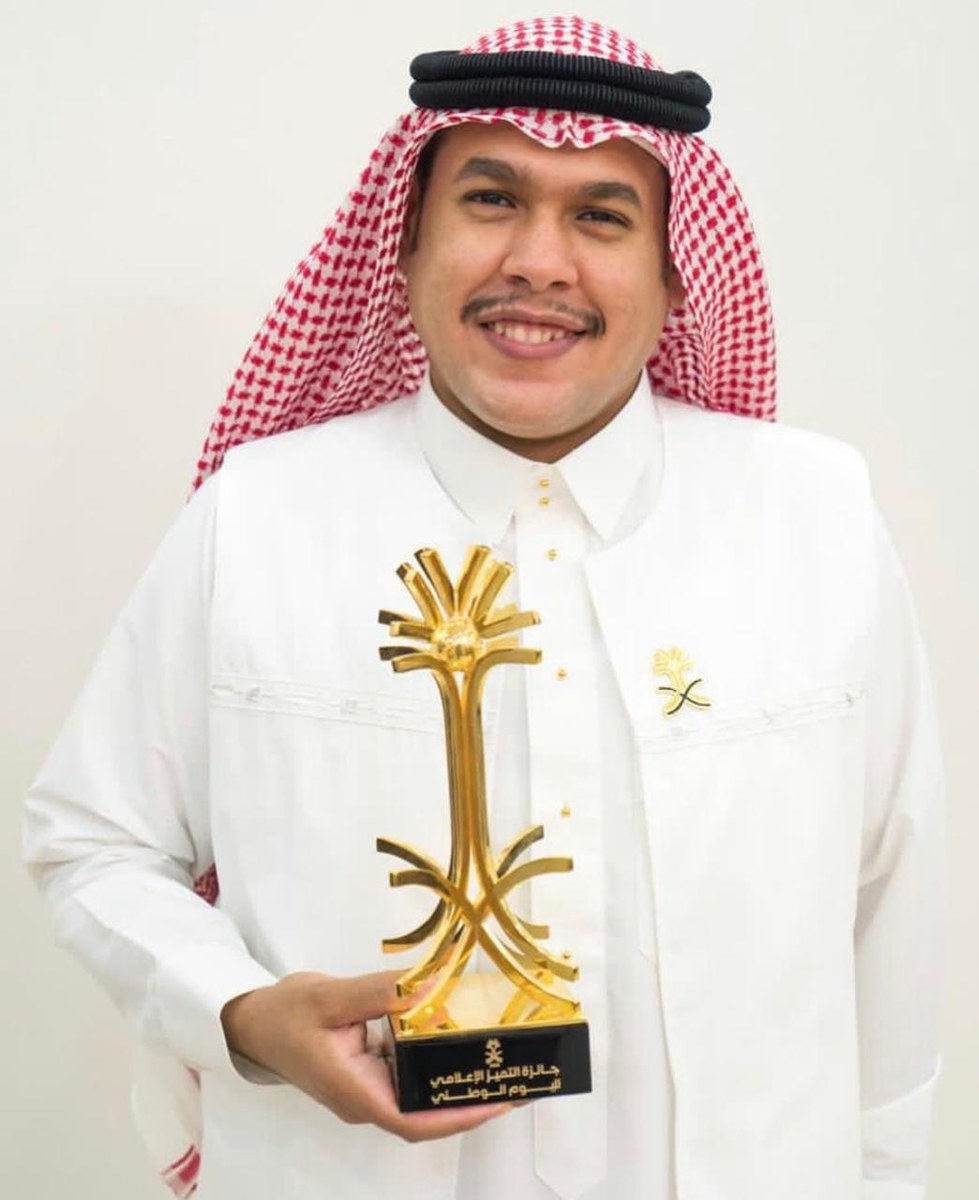
As a Saudi whose training in Egypt enabled him to reach standards of musicianship that most people can only aspire to, Yaseen hopes the Ministry of Culture will help others follow in his footsteps. (Supplied)
Returning to his home city three years ago, Yaseen quickly made a name for himself. Agencies were getting in touch with him with requests for appearances in Jeddah and Riyadh. Before long, he had a certain amount of name recognition thanks to clips of his performances shared on social media.
In 2019, Yaseen received a reward from famed Saudi singer and composer Abadi Al-Johar for an outstanding solo performance in Dammam. A year later, he received an award from the Ministry of Commerce and Industry in Riyadh for his rendition of the Saudi national anthem.
“Music is like therapy for me,” Yaseen said. “My favorite moments are spent playing music. It relaxes me. Music is my soulmate and I feel well when I play the violin or any other instruments. I spend most of my day playing it.”
Thus, when the coronavirus pandemic forced the closure of concert venues across the region last year, Yaseen was grateful for the free time to practice at home.
“The lockdown was great for me because I didn’t feel it,” he said. “Music gives me a sense of freedom that no lockdown can ever take away.”
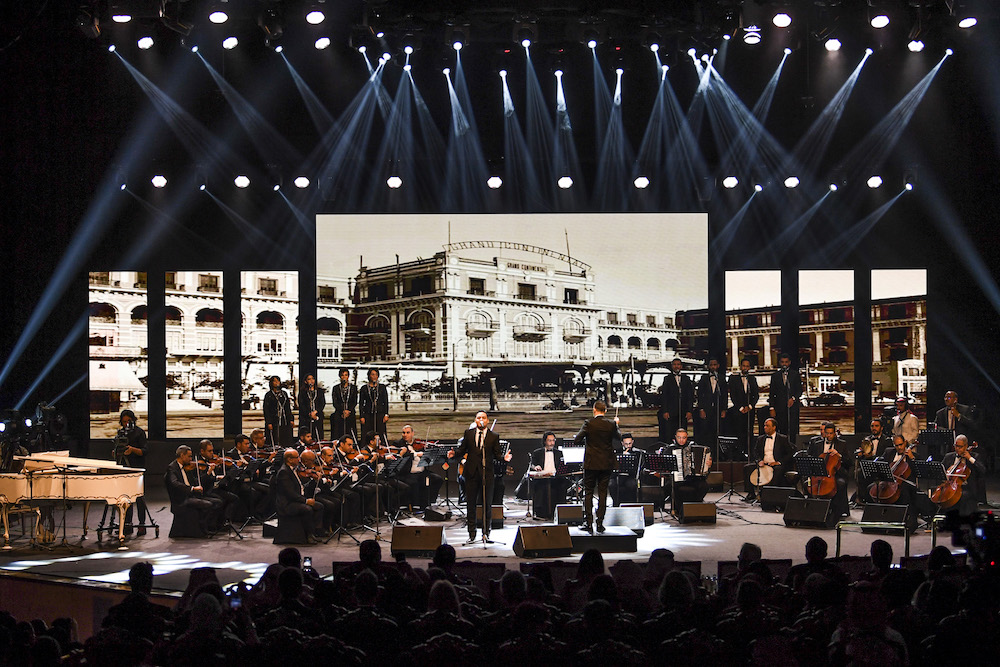
Cairo Opera House's National Arab Music Ensemble (AME) performing at the King Fahd Cultural Centre in Riyadh in 2018, the first event of its kind in the Saudi capital. (AFP/Saudi General Culture Authority/File Photo)
Yaseen nevertheless hopes someday to perform internationally. “I want to be the first Saudi who represents Saudi Arabia as a violinist in the world,” he said. “I fell in love with the instrument, which is why I dedicated my life to it.”
He hopes other young Saudis will pursue their musical ambitions, no matter how daunting the challenges.
“I encourage them to learn music and to keep going because there are no music academies so far. We need to help each other as much as we can,” Yaseen told Arab News.
“For all young Saudis who want to pursue their passion in music or play an instrument, I would tell them to not give up because I’ve already seen many of my friends give up. Keep pursuing your goals and passion, and always expect good things. It’s important not to put yourself down when you’re on this journey and believe you will move forward.”
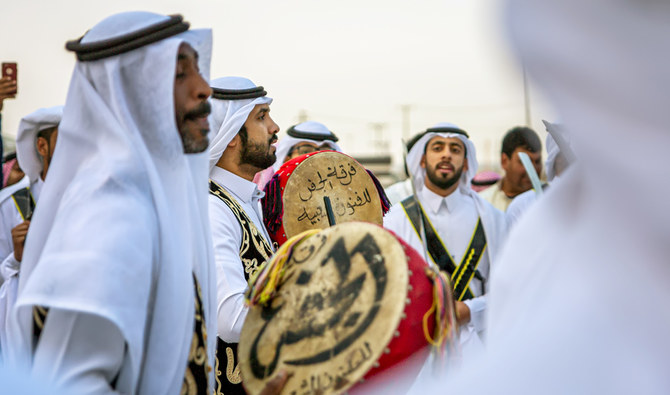
Yaseen is especially grateful for Saudi Arabia’s Vision 2030 reform plan, which has made it a national priority to support the Kingdom’s youth and promote the arts and culture. (Shutterstock)
Yaseen is especially grateful for Saudi Arabia’s Vision 2030 reform plan, which has made it a national priority to support the Kingdom’s youth and promote the arts and culture. The importance of the ongoing social and cultural changes became especially obvious to him during the pandemic.
“Everything is changing in the new Saudi Arabia. It’s not as we have known it before. It’s changing for the better and I’m happy to see all these shifts,” he said.
“I just hope the government will answer my call to support a large, dedicated music education center and the teachers needed for people to learn.
“I have so many ideas that are ready to be implemented. I want to get the ball rolling as soon as possible.”
-------------------
Twitter: @CalineMalek


