RIYADH: The Future Investment Initiative (FII) Institute, the organizer of the Kingdom’s flagship forum taking place in Riyadh this week, on Wednesday signed a number of major agreements, including a partnership aimed at protecting over 1.2 billion people from counterfeit and illicit trade in Africa.
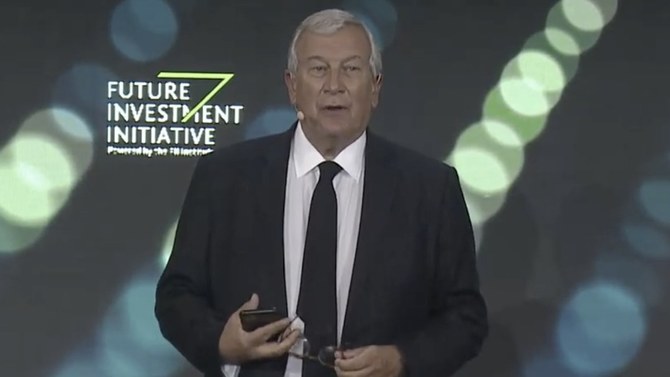
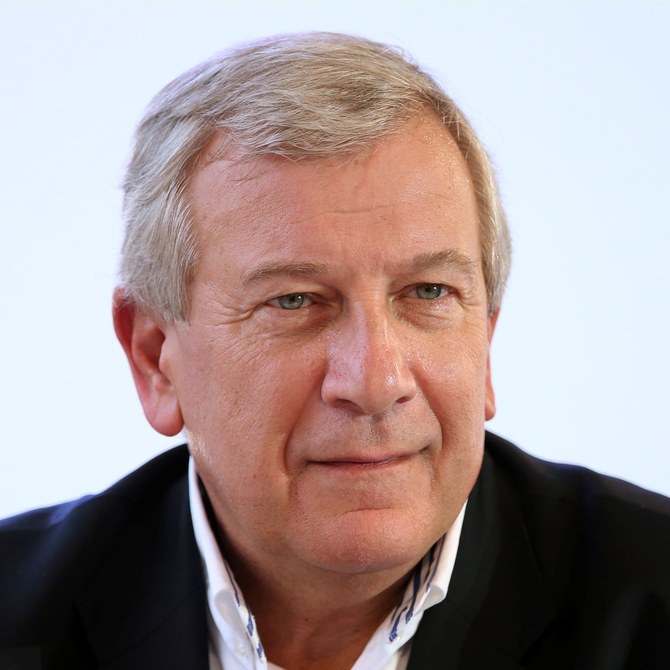
Addressing a press conference on the second day of the fourth FII forum, Richard Attias, CEO of the institute, announced the three initiatives.
The first is a letter of intent between the Secretariat of the African Continental Free Trade Area (AfCFTA), Swiss tech company OriginAll and the FII Institute, to develop technology aimed at protecting people from 54 African nations from counterfeit and illicitly traded products. The agreement was signed in the presence of Attias, Wamkele Mene, secretary-general of the AfCFTA and Hans Schwab, co-founder and CEO of OriginAll.
Mene told reporters that the cooperation will benefit over 1.2 billion people, stimulate innovation and investment, and safeguard wellbeing.
The initiative will contribute to the reduction of production and trade in counterfeited products, increasing government revenues and creating new investment opportunities.
“We have to be mindful of the unintended consequences of trade liberalization… there is a present and serious risk that trade liberalization in the context of free movement of goods may present an opportunity for counterfeit, sub-standard and illicitly traded goods to transit through borders,” Mene said.
“We have to be extremely vigilant against this. Counterfeiters and illicit traders have been taking advantage of our continent for centuries, depriving our nations from substantial revenues, encouraging a culture of corruption and, regrettably, costing the lives of hundreds of thousands of African citizens every year.
“This can no longer be tolerated, it needs to stop, and it must stop now. We must prioritize our national interests, the public health and safety of African citizens.”
Attias added: “This initiative fully embraces our vision and mission, representing a concrete, unprecedented and decisive action to bring together experts, innovators and investors with the power to shape a more prosperous and safer future for the African continent. May this be a strong start of a global movement to eradicate the world from counterfeit and illicitly traded products and its deep-rooted consequences.”
OriginAll will provide the platform for business, government, and consumers to identify and verify the authenticity and conformity of any product traded under the AfCFTA rules.
Schwab said: “This initiative will channel critical resources back into the member states’ economies and contribute to investment growth and employment creation, improving the economic wellbeing, health, and safety of AfCFTA citizens. By next year, counterfeiting is projected to cost the global economy up to $4.2 trillion.”
He added: “These funds are primary sources of revenue that lead to economic disruption and corruption. We all share the blame for letting this problem get out of control and losing visibility over its complexity. We have a joint responsibility to address this global economic and social disease. We are immensely privileged to be part of this initiative.”
At the same FII event, two other agreements were also announced. King Abdullah University of Science and Technology and the FII Institute signed an agreement to cooperate on research projects and create events aimed at facilitating access to scientific knowledge.
Tadawul CEO Khalid Abdullah also signed a memorandum of understanding with the FII Institute. The partnership will promote cooperation on environmental, social, and governance needs in the region.


![]()
![]()

FII Institute announces agreement to combat counterfeit, illicit trade in Africa
Short Url
https://arab.news/54dj2
FII Institute announces agreement to combat counterfeit, illicit trade in Africa
- The initiative will contribute to reducing production and trade in counterfeited products


Latest updates


© 2026 SAUDI RESEARCH & PUBLISHING COMPANY, All Rights Reserved And subject to Terms of Use Agreement.