FII: Saudi Arabia eyes 20 free economic zones, six in Riyadh

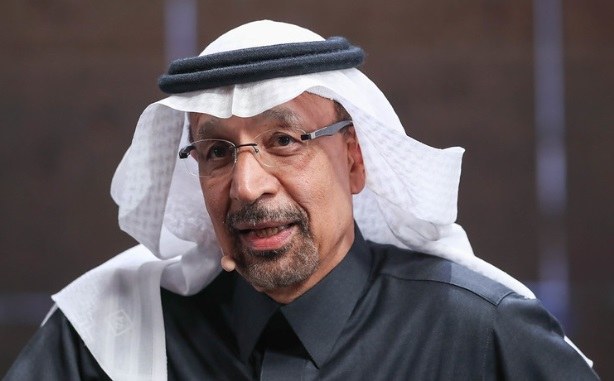
Saudi Arabia’s Minister of Investment, Khalid Al-Falih, speaks during the Future Investment Initiative (FII) summit on Thursday, Jan. 28, 2021. (Argaam)
Short Url
Updated 28 January 2021
Follow

FII: Saudi Arabia eyes 20 free economic zones, six in Riyadh

  • Five or six of them will be added to the financial district

RIYADH: Saudi Arabia is planning to set up 20 special economic zones, of which six will be located in Riyadh, Khalid Al-Falih, Minister of Investment, said during the Future Investment Initiative (FII) summit on Thursday.
Five or six of them will be added to the financial district, which will have international host International companies.
They will be specialized economic zones for digital, creative, and logistics. The airport will probably be one of the first zones.
To this extent, a regulatory environment will be created to be investor friendly and reduce the risk of doing business.
Moreover, Al-Falih added that the Saudi financial sector is one of the top five financial sectors within the G20.


Arab Cities Culture and Creative Industries Index launched

Updated 11 sec ago
Follow

Arab Cities Culture and Creative Industries Index launched

  • UNESCO official says the index ‘strengthens the evidence base on culture and creative industries in the Arab region’
  • It is planned as an advanced policy-enabling tool designed to position culture and creative industries as core components of future governance models

DUBAI: The Mohammed bin Rashid School of Government launched the 2026 edition of the Arab Cities Culture and Creative Industries Index on Wednesday.

Building on UNESCO’s frameworks to quantify the contributions that culture and creativity make to urban development in the Arab region, the index is the first regionally grounded and evidence-based framework.

Ernesto Ottone Ramirez, UNESCO’s assistant director-general for culture; Hala Badri, director-general of Dubai Culture; and Ali Al-Marri, MBRSG’s executive president, attended a special panel at the World Governments Summit in Dubai, during which the index was announced.

Welcoming the launch of the Index, Ramirez said: “It strengthens the evidence base on culture and creative industries in the Arab region, providing reliable, comparable, and policy-relevant figures.

“Such data is essential to guide public investment, inform decision-making, support inclusive cultural policies, and monitor culture’s contribution to sustainable development.”

The launch marks a definitive transition from ambition-led strategies to data-informed cultural policymaking, according to Al-Marri, who said: “By positioning culture as a core component of governance and a productive economic sector with measurable impact, we provide Arab cities with the tools to benchmark their creative ecosystems against global standards while respecting our unique regional context.”

According to a media release, the index is planned as an advanced policy-enabling tool designed to position culture and creative industries as core components of future governance models, marking a significant paradigm shift in which culture is recognized not merely as a social asset but as a strategic pillar of economic resilience, innovation, and inclusive growth.

Badri emphasized that the launch of the index represents an important step in highlighting culture’s role in advancing societies and positioning the cultural and creative industries as key contributors to the emirate’s knowledge- and innovation-driven economy.