

Crypto-miners take down Iran electric grids, prompting crackdown

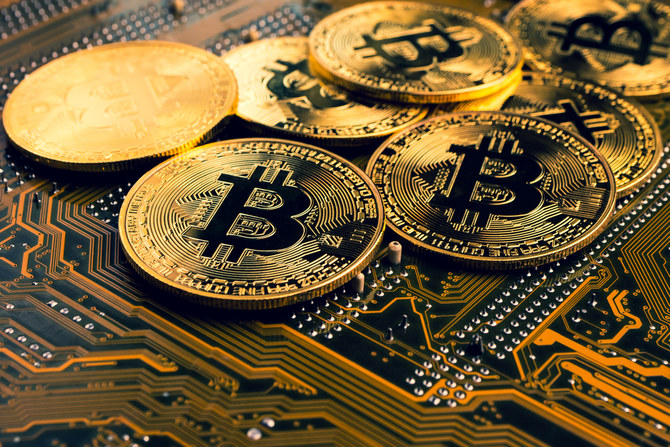
Cryptocurrency mining is a process in which specialized computers complete progressively more difficult calculations to verify transactions and thereby produce cryptocurrencies, the most popular of which is Bitcoin. (Shutterstock/File Photo)
Short Url
Updated 19 January 2021
Follow

Crypto-miners take down Iran electric grids, prompting crackdown

  • Multiple cities have experienced blackouts and a halt to industrial work in recent weeks
  • Tehran offering $4,750 reward for informants who expose illegal cryptocurrency mining operations

LONDON: Iran has ordered a crackdown on cryptocurrency miners after blackouts in major cities were attributed to the excess toll the activity takes on the energy grid.

Parts of Tehran, as well as Mashhad and Tabriz, have experienced repeated blackouts in recent weeks, temporarily halting production lines and plunging the cities into darkness.

State electricity company Tavanir said it had temporarily halted all known crypto-mining operations, including a Chinese-Iranian mine in Rafsanjan that is reported to have been consuming 175 megawatt hours — enough electricity to power an average Western home for 17 years.

Cryptocurrency mining is a process in which specialized computers complete progressively more difficult calculations to verify transactions and thereby produce cryptocurrencies, the most popular of which is Bitcoin.

The process is extremely energy intensive, meaning that cryptocurrency mining is most profitable in locations with cheap energy.

Because of significant state subsidies and excess fuel reserves held by Iran due to sanctions, oil-fueled electricity is very cheap in the country — less than 1 cent per kilowatt hour.

This has massively fueled production of cryptocurrencies in Iran, to the extent that in 2020, the country was responsible for 8 percent of all the world’s Bitcoin production.

The effect of the crypto-mining on Iran’s grids has become such a problem that the government is now offering a $4,750 reward for tips on illegal crypto-mining locations.

At $35,000 each, the price of Bitcoin has reached record levels in recent weeks, making mining of the currency particularly attractive in a place with few economic opportunities such as Iran.

The appeal of Bitcoin and other cryptocurrencies is also relevant for states and groups that operate on the fringes of the global economy, such as Iran, Venezuela and North Korea, as well as terrorist groups.

Bitcoins can be traded outside the traditional banking system, allowing Iran to circumvent economic sanctions on its financial sectors, and terrorist groups such as Hezbollah and Daesh to trade on the black market anonymously.

In 2019, Iran’s President Hassan Rouhani announced that his country would launch its own cryptocurrency to circumvent US sanctions, but little else is known about the project.

Despite the difficulty in tracing cryptocurrency transactions, in 2018 the US sanctioned two Iranians who had been converting cryptocurrency into Iranian rials on behalf of hackers who had targeted American corporations, hospitals, universities and government agencies.


Libya brings in Western traders in blow to Russian fuel flows

Updated 6 sec ago
Follow

Libya brings in Western traders in blow to Russian fuel flows

  • The tenders will further reduce Russian product imports into Libya
  • Russian fuel exports to Libya have fallen to around 5,000 bpd in 2026 from 56,000 bpd in 2024–2025

LONDON: Global oil firms and traders including Vitol, Trafigura and TotalEnergies have won tenders to supply Libya with gasoline and diesel as the country grants large Western players wider access and reduces imports of Russian fuel, three trading sources told Reuters.
Libya is in the process of overhauling its oil sector 15 years after the fall of leader Muammar Qaddafi and years of civil wars.
The country produces some 1.4 million barrels a day of crude but lacks the infrastructure to refine it, leaving it reliant on fuel imports.
After issuing upstream licensing rounds for the first time in 20 years in an effort to grow crude output to 2 million bpd, Africa’s second-largest oil producer is now changing how it sells its oil ⁠and buys the ⁠fuel it requires.
Rather than swapping fuel imports for crude exports, it has instead awarded tenders to cover its fuel needs.
In the tenders in recent weeks, which have not previously been reported, Vitol won the rights to supply 5-10 gasoline cargoes a month and some diesel volumes, three traders familiar with the results said.
Trafigura and TotalEnergies also won the right to supply fuel, two of the three traders said. Reuters could not establish the exact volumes.
Vitol, Trafigura, and TotalEnergies declined to ⁠comment. Libya’s state-owned National Oil Corporation did not immediately respond to a request for comment on the tenders.

RUSSIAN IMPORTS DROPPING
The tenders will further reduce Russian product imports into Libya as Western firms source their volumes from refineries in the Mediterranean.
Russian fuel exports to Libya have fallen to around 5,000 bpd in 2026 from 56,000 bpd in 2024–2025, when it was the dominant supplier, according to live data from global analytics firm Kpler.
Italy has become Libya’s top fuel supplier this year with 59,000 bpd, mainly from the ISAB and Sarroch refineries run by Trafigura and Vitol, the Kpler data showed.
Moscow has relied heavily on Africa, Asia and South America for fuel sales after its refined products were banned from the West under sanctions linked to the war in Ukraine. The ⁠Kremlin has also seen ⁠its oil exports to India and Turkiye fall under US pressure, pushing more oil toward China.
Overall fuel exports into Libya from all sources have averaged around 186,000 bpd since the start of 2024.

FIRMS ALSO GAIN ACCESS TO CRUDE EXPORTS
Libya will also change the way it handles crude exports, the sources said.
Swiss-based trading firm BGN, previously a key exporter, will see crude liftings fall sharply, all three traders said, as big Western players will be allocated export rights.
Small Swiss-based trader Transmed Trading also picked up several crude cargoes in January and will keep lifting volumes in coming months, two of the three sources said.
Transmed and BGN did not immediately respond to requests for comment. Libya also signed a 25-year oil-development deal with TotalEnergies and ConocoPhillips in January, involving more than $20 billion in foreign-financed investment.