GAZA: The Palestinian Authority said on Sunday it expects to receive its first COVID-19 vaccine doses in March under a deal with drugmaker AstraZeneca, and accused Israel of shirking a duty to ensure vaccines are available in occupied territory.
While Israel has already become the world leader in vaccinations per capita, Palestinians in the Israeli-occupied West Bank and the Gaza Strip have yet to secure their first supplies.
Yasser Bozyeh, the Palestinian general director of public health, told Reuters that in addition to reaching an agreement in principle with AstraZeneca, the Palestinians had also sought supplies from Moderna, Johnson & Johnson and Russia, which has developed the Sputnik V vaccine.
Supplies would also come through a World Health Organization vaccine program for poor and middle income countries.
There was no immediate response from AstraZeneca to an emailed request from Reuters for comment.
The Palestinian Foreign Ministry said in a statement Israel had been “ignoring its duties as an occupation power and committing racial discrimination against the Palestinian people, depriving them of their right to health care.”
“The search by the Palestinian leadership to secure the vaccines from various sources doesn’t exempt Israel from its responsibilities toward the Palestinian people in providing the vaccines,” it said.
Under interim peace accords with Israel, the Palestinian Authority exercises limited self-rule in the West Bank. Hamas Islamists run the Gaza Strip.
Israel’s vaccination program covers the country’s Arab citizens and Palestinian residents of East Jerusalem.
On the West Bank, it has given vaccines to Israeli settlers, but not to Palestinian residents, who receive health services from the Palestinian Authority.
Human rights groups including Amnesty International say Israel has a legal obligation to provide vaccines for Palestinians under occupation. Israeli officials say they could share vaccines with the Palestinians once Israel’s own needs are met.
A WHO official said on Sunday the organization had held “informal discussions” with Israel over allocating some supplies to the Palestinians to inoculate health workers. The official, Gerald Rockenschaub, head of the WHO office in the Palestinian territories, said Israel indicated it would explore the option.


![]()
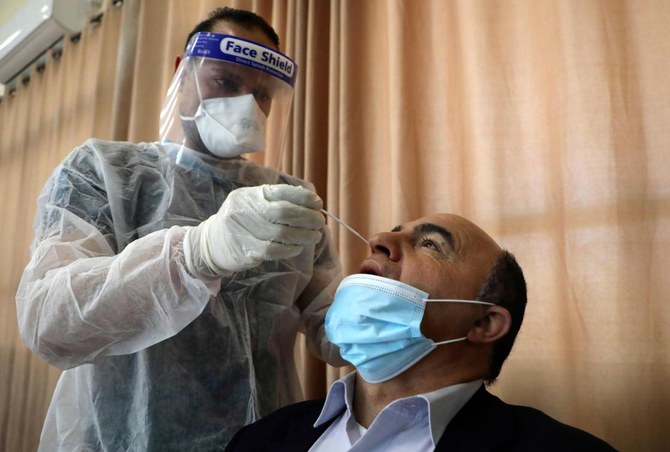
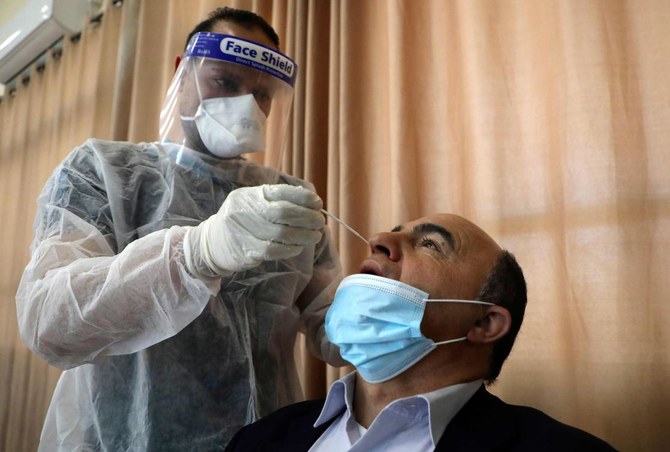
Palestinians say vaccines could come in March, accuse Israel of shirking duty to supply them
Short Url
https://arab.news/2qcdb
Palestinians say vaccines could come in March, accuse Israel of shirking duty to supply them


Latest updates





© 2026 SAUDI RESEARCH & PUBLISHING COMPANY, All Rights Reserved And subject to Terms of Use Agreement.