

Terrorist bomb attack targets gasoline tanker in Jeddah port

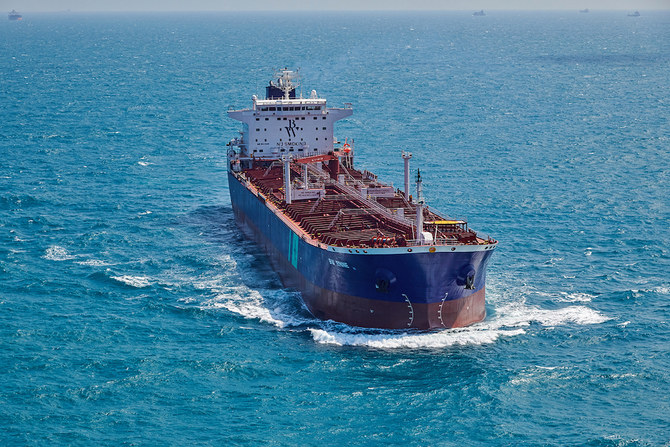
The Singapore-flagged BW Rhine was attacked by an explosives-laden boat while unloading its cargo in Jeddah port. (Supplied: Hafnia)
Short Url
Updated 14 December 2020
Follow

Terrorist bomb attack targets gasoline tanker in Jeddah port

  • Explosion caused small fire which was extinguished by crew on board Hafnia-owned vessel
  • Saudi Arabia condemns threat to security and stability of global energy supplies

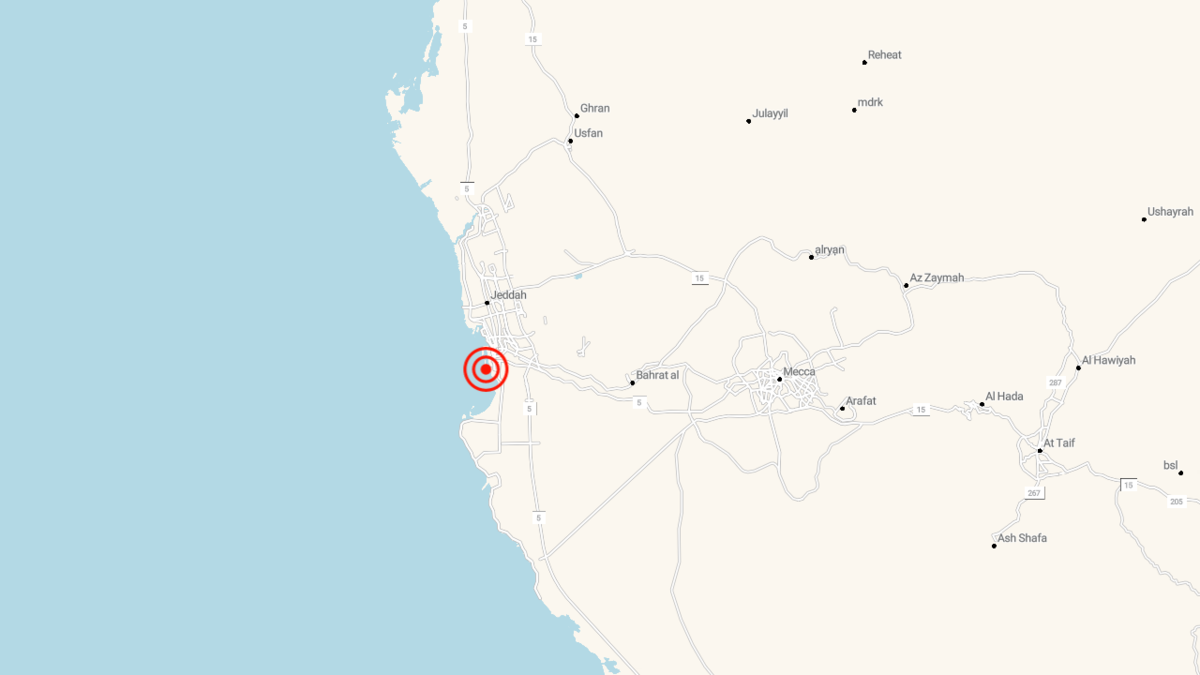
JEDDAH: Terrorists using a small boat laden with explosives attacked an oil tanker on Monday as it unloaded fuel at Jeddah port.

The attack caused an explosion and a fire on board the Singapore-flagged BW Rhine, which was carrying 60,000 tons of gasoline. The ship’s crew put out the fire and there were no casualties, but parts of the vessel’s hull were damaged.

“BW Rhine has been hit from an external source whilst discharging at Jeddah, Saudi Arabia at approximately 00:40 local time on 14 December 2020, causing an explosion and subsequent fire onboard,” a Hafnia statement said.

“It is possible that some oil has escaped from the vessel, but this has not been confirmed and instrumentation currently indicates that oil levels on board are at the same level as before the incident,” Hafnia said.

It was the fourth attack on Saudi energy infrastructure in the past month, all blamed on Iran-backed Houthi militias in Yemen. Explosive-laden boats targeted a floating platform in Jazan on Nov. 13, a Saudi Aramco distribution station in Jeddah was attacked on Nov. 23, and two days later an explosion damaged a tanker at the Shuqaiq terminal on the Red Sea just north of the Yemeni border.
“These acts of terrorism and vandalism, directed against vital installations, go beyond the Kingdom and its vital facilities, to the security and stability of energy supplies to the world and the global economy,” the Saudi Energy Ministry said on Monday.

The ministry urged the world to “stand together against such subversive terrorist acts, and take practical deterrent measures against the perpetrators and those who enable them.”

Col. Turki Al-Maliki, spokesman for the Saudi-led coalition in Yemen, said Monday’s explosion was a continuation of attacks on other oil facilities in the Kingdom, including Abqaiq and Khurais last year.

“Those attacks were initially claimed by the Houthis, although substantiated evidence proved the direct involvement of the Iranian regime using Iranian-made advanced conventional weapons, such as explosive-laden drones and cruise missiles,” he said.

Monday’s attack was also condemned by the secretary-general of the Organization of Islamic Cooperation, Dr. Yusuf bin Ahmed Al-Othaimeen. “These terrorist and criminal acts not only target the Kingdom, but also affect the security and stability of energy supplies in the world, as they threaten maritime traffic and the freedom of global trade, as well as coasts and regional waters with exposure to environmental disasters,” he said.

Before Monday’s explosion, the UN Security Council condemned the Houthi attacks on Saudi oil facilities in Jeddah last month, and restated their commitment to an inclusive, Yemeni-led and comprehensive political process.

But the Saudi political analyst Hamdan Al-Shehri told Arab News the attacks showed the Houthis were not interested in a political solution. “These targets make it clear that the Houthis are determined to represent a danger to the security of international navigation, in addition to the global economy,” he said.


Economic growth and resilience at heart of 2nd AlUla Emerging Market Economies Conference

Updated 03 February 2026
Follow

Economic growth and resilience at heart of 2nd AlUla Emerging Market Economies Conference

  • Event on Feb. 8 and 9 will bring together ministers, governors of central banks, policymakers, economic experts and international financial institutions
  • Emerging-market economies a ‘pivotal element’ in global economic system due to effect they have on growth and stability, says Saudi Finance Minister Mohammed Al-Jadaan

RIYADH: The second annual AlUla Conference for Emerging Market Economies, which Saudi Arabia will host next week, offers a platform to exchange views on global developments and discuss policies and reforms that support inclusive growth and strengthen economic resilience, the Kingdom’s finance minister said.

The event on Feb. 8 and 9 will bring together finance ministers, governors of central banks and policymakers, alongside economic experts and representatives of international financial institutions.

Organized by the Saudi Ministry of Finance in partnership with the International Monetary Fund, it takes place as emerging-market economies face mounting challenges amid rapid global economic change.

Finance Minister Mohammed Al-Jadaan said the decision to host the conference reflects Saudi Arabia’s ongoing commitment to efforts that support global financial and economic stability, and highlights the growing influence of emerging economies on worldwide growth.

Emerging-market economies represent a “pivotal element” in the global economic system due to the direct impact they have on economic growth and stability, he added.

“The AlUla Conference for Emerging Market Economies provides a unique platform for exchanging views on global economic developments, and discussing policies and reforms that will support inclusive growth and enhance economic resilience, in light of broader international cooperation that contributes to confronting common challenges,” Al-Jadaan said.

Kristalina Georgieva, managing director of the IMF, said the event would help emerging economies deal with growing uncertainty driven by technological change, demographic shifts and geopolitical tensions.

“The AlUla conference provides a vital platform for emerging economies to discuss how they can navigate the risks and embrace the opportunities ahead,” she said.

“In these times of sweeping transformations in the global economy, policymakers face a more challenging and uncertain environment. Countries should work together to strengthen resilience through sound macroeconomic and financial policies.”