

Pakistan-born doctor to lead COVID-19 response in Washington

Short Url
Updated 20 November 2020
Follow

Pakistan-born doctor to lead COVID-19 response in Washington

  • Karachi-born Dr. Umair Shah will be advising Washington governor on health legislation, particularly in dealing with COVID-19
  • He is experienced in crisis response and has worked with the World Health Organization's earthquake relief teams in Haiti and Kashmir

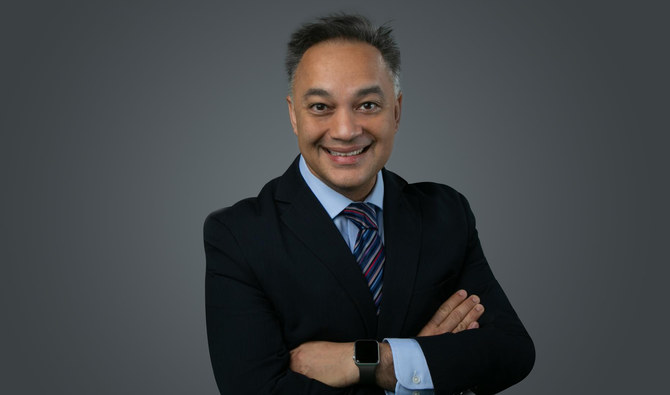
RAWALPINDI: Karachi-born Dr. Umair Shah, who has been appointed the chief of coronavirus response in Washington, US, said on Friday that he is proud to shed a light on the dedication of Pakistani-Americans to their communities.

Washington governor Jay Inslee announced the appointment on his official Twitter account on Wednesday, writing that he was “excited” about Dr, Shah joining his administration and bringing "unrivaled expertise, knowledge and passion for public health."

"I am proud to shed a positive light on Pakistani-Americans and the dedicated service they provide to their communities every single day," Dr. Shah told Arab News.

"While one should always be the best at one’s work and that should remain the primary focus, I recognize what this may represent for other groups that may see themselves in me," he said.

A Vanderbilt University graduate, Dr. Shah received his medical degree from the University of Toledo Health Science Centre and a master's in public health from the University of Texas Health Science Center.

Previously, Dr. Shah served as the chief medical officer of Galveston County Health District in Texas and president of the National Association of County and City Health Officials.

He is also experienced in crisis response having worked with the World Health Organization, where he was a member of earthquake relief teams in Haiti and Kashmir.

As the state's secretary of health, Dr. Shah will be responsible for advising the governor on health legislation, particularly in dealing with the COVID-19 crisis.

"It is an absolute honor to be asked to join the state of Washington for this position in Governor Inslee’s cabinet. I look forward to the work and recognize there are challenges especially COVID-19 that will need addressing as a priority," he said.


Pakistan, Saudi Arabia discuss regional situation, upcoming engagements

Updated 14 February 2026
Follow

Pakistan, Saudi Arabia discuss regional situation, upcoming engagements

  • Ishaq Dar and Prince Faisal bin Farhan agree to stay in contact amid Middle East tensions
  • The two officials speak ahead of Trump’s Feb. 19 Board of Peace meeting in Washington, DC

ISLAMABAD: Pakistan’s Deputy Prime Minister and Foreign Minister Ishaq Dar discussed regional developments and upcoming international engagements with Saudi Foreign Minister Prince Faisal bin Farhan in a phone call on Saturday, according to the foreign office in Islamabad.

The conversation took place against the backdrop of deepening strategic ties between Islamabad and Riyadh. In September last year, the two countries signed a bilateral defense agreement that formalized decades of military cooperation and included a commitment to view aggression against one as an attack on both countries.

“Deputy Prime Minister/Foreign Minister Mohammad Ishaq Dar held a telephonic conversation today with the Foreign Minister of Saudi Arabia, Faisal bin Farhan Al Saud,” Pakistan’s foreign ministry said in a statement.

“The two leaders discussed the evolving regional situation, forthcoming international engagements, and agreed to remain in close contact,” it added.

The two officials spoke at a time of heightened tensions in the Middle East, with the conflict in Gaza far from resolution amid ongoing ceasefire violations by Israel.

The region has also been on edge as the United States pursues nuclear negotiations with Iran, prompting regional states to call for diplomacy rather than new military flare-ups.

Both Pakistan and Saudi Arabia are participants in US President Donald Trump’s Board of Peace, which is scheduled to meet on Feb. 19 in Washington.

Islamabad and Riyadh have consistently coordinated positions over regional and global issues.

The foreign ministry did not provide further details of the discussion.