



RIYADH: Saudi Arabia will have the opportunity to showcase its leadership and ability to be a visionary global player when it virtually hosts the G20 Riyadh summit on Nov. 21 to 22.
The country will guide the work of the G20 under the theme of “Realizing Opportunities of the 21st Century for All.”
Tsukasa Uemura, Japan’s ambassador to Saudi Arabia, spoke to Arab News about the importance of this year’s G20 meeting amid the coronavirus disease (COVID-19) pandemic and its impacts.
He said the G20, under the Saudi presidency this year, will be remembered as a milestone for humanity in addressing the global health crisis with wisdom.
The envoy pointed out that the summit may guide the international community in striking a balance between mitigating the socioeconomic fallout of the COVID-19 outbreak and containing it.
Uemura also lauded the Kingdom’s lead in calling an extraordinary virtual summit of G20 leaders at the end of March, chaired by King Salman, to discuss the emerging COVID-19 crisis and address its negative impacts with improved coordination.
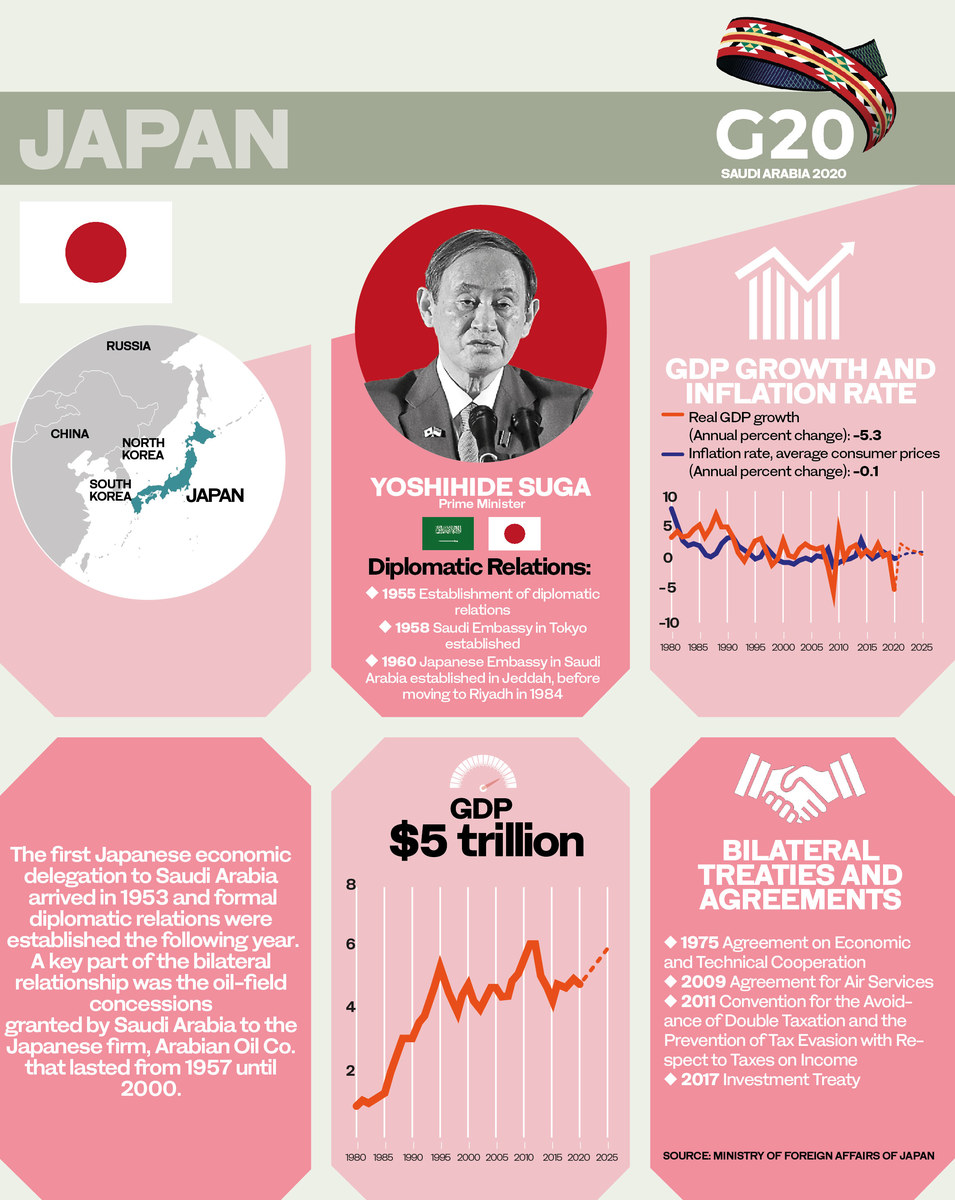
The outcome of the extraordinary summit had set the agenda for successive G20 meetings under the Saudi presidency, he added.
The diplomat noted that the Kingdom had worked with the Organization of the Petroleum Exporting Countries (OPEC) to help stabilize the oil market in the wake of the pandemic.
He said the G20 summit would be tackling global issues such as maintaining free trade and global economic growth, dealing with environmental challenges, and the ongoing COVID-19 situation.
“I am sure that all G20 leaders will succeed in agreeing on a set of recommendations in the face of these challenges,” he added.
Uemura said that the world’s leading countries had spent $11 trillion to protect the global economy. The G20 had pledged $21 billion to combat COVID-19 and had agreed to suspend $14 billion worth of debt payments for some developing countries.
The Riyadh summit will focus on the key areas of empowering people — especially women and youth — by creating the right conditions for them to live, work, and thrive, safeguarding the planet by fostering collective efforts on common global concerns, and shaping new frontiers by adopting long-term and bold strategies to share the benefits of innovation and technological advancement.
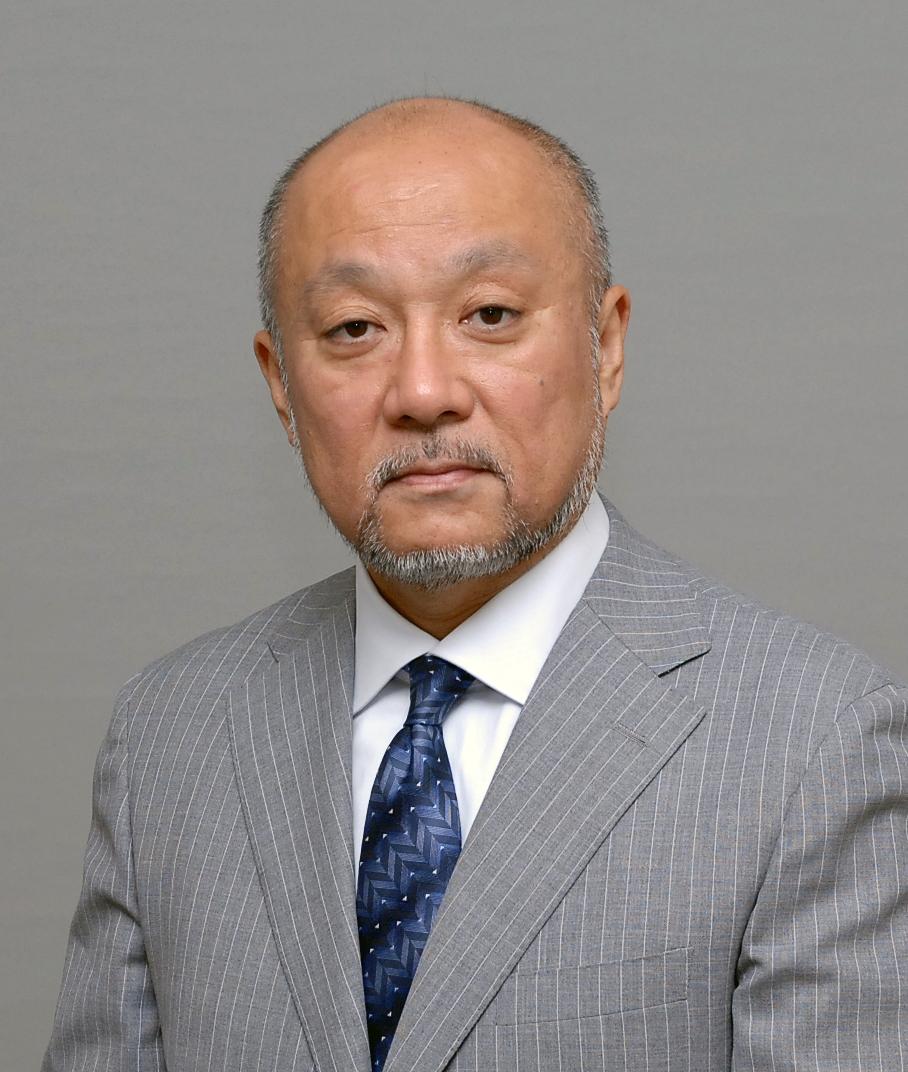
Tsukasa Uemura, Japan’s ambassador to Saudi Arabia
Japan expected the Riyadh summit to propose concrete actions over common issues, including promoting the concept of a circular carbon economy, and maintaining global free trade, the envoy added.
Uemura pointed out that Saudi Arabia was one of the most influential Arab and Islamic countries and had the responsibility and ability to deal with global issues in cooperation with other stakeholders.
“I am confident that Saudi Arabia will demonstrate its leadership at the forthcoming G20 leaders’ summit and deliver solid outcomes to enable the international community to deal effectively with the world under the coronavirus pandemic and post-COVID-19 period,” he said.
The world was witnessing new realities, which should require a paradigm shift in ways of thinking and behavior, he added.
On the summit’s role in boosting cooperation between Saudi Arabia and Japan, Uemura said: “We share with Saudi Arabia many common interests, mutual trust, and respect with which we have been cooperating long since Japan handed over the G20 chair to KSA in late 2019.”
He noted that hosting the summit would play a crucial role in the Kingdom’s economic and social development, and provide a unique opportunity not only to demonstrate its dynamic leadership and ambitious transformation under the Saudi Vision 2030 reform plan, but also to make the best use of the G20’s outcome and discussions for its benefit in years to come.
He said Vision 2030 articulated the new Saudi Arabia, representing the identity and aspirations of the Saudi people, in particular, its younger generation.
Japan was looking forward to working closely with the Saudi people to translate the Kingdom’s vision into concrete actions by steadily implementing various projects and programs under the framework of Japan-Saudi Vision 2030, he added.


