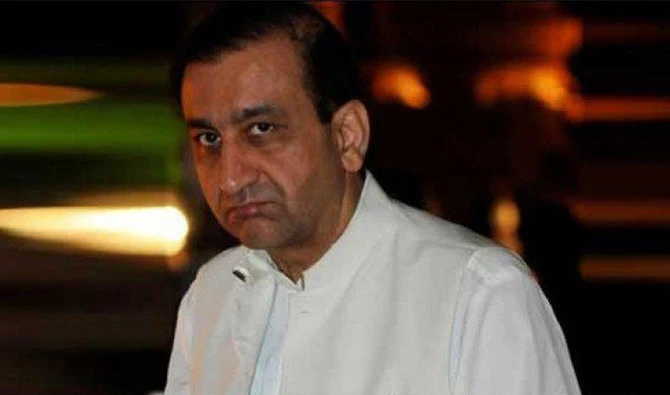
ISLAMABAD: Pakistan’s supreme court on Monday granted bail to the owner and editor-in-chief of country’s largest independent group of newspapers and television stations, months after his arrest in a decades-old case related to allegations of tax evasion in a real estate purchase.
Mir Shakilur Rehman’s release comes amid increasing pressure on journalists in Pakistan by state institutions and security agencies. Human rights workers, activists and members of civil society also have been targeted in recent years.
Rehman’s Jang Group of Newspapers, which includes Geo TV, has been critical of the government. He was arrested in March in the eastern city of Lahore by the National Accountability Bureau. The bureau is pursuing an over 30-year-old case against him over a land sale, one it acknowledges did not defraud the government at the time.
The terms of Rehman’s bail were not immediately known.
Activists say the government of Prime Minister Imran Khan, elected in 2018, has failed to protect freedom of speech in Pakistan. Before becoming prime minister, Khan often publicly said that he would have Rehman arrested if he came into power and now considers Rehman’s media house to be one of his main critics.
Opposition party leaders as well have been targeted in anti-graft probes in recent weeks.
Pakistan’s supreme court orders release of detained TV mogul
https://arab.news/bhhx9
Pakistan’s supreme court orders release of detained TV mogul
- Mir Shakilur Rehman was arrested in a decades-old case related to allegations of tax evasion in a real estate purchase
- His release comes amid increasing pressure on journalists in Pakistan by state institutions
Pakistan reviews austerity measures amid Middle East crisis, urges strict nationwide implementation
- Deputy Prime Minister Ishaq Dar chairs review meeting of austerity steps
- Officials briefed on salary cuts, school closures, four‑day week, petrol conservation
ISLAMABAD: Pakistan’s government on Wednesday assessed progress on a sweeping set of austerity measures introduced to mitigate the country’s economic strain from sharply rising global oil prices and supply disruptions linked to the ongoing war in the Middle East.
Prime Minister Shehbaz Sharif this week announced a series of austerity steps, including a four‑day work week for government offices, requiring 50 percent of staff to work from home, cutting fuel allowances for official vehicles by half, grounding up to 60 percent of the government fleet and closing all schools for two weeks to conserve fuel amid the global oil crisis.
The measures were unveiled in response to global oil market volatility triggered by the conflict involving the United States, Israel and Iran, which has disrupted supply routes such as the Strait of Hormuz and pushed crude prices sharply higher, straining Pakistan’s heavily import‑dependent energy sector.
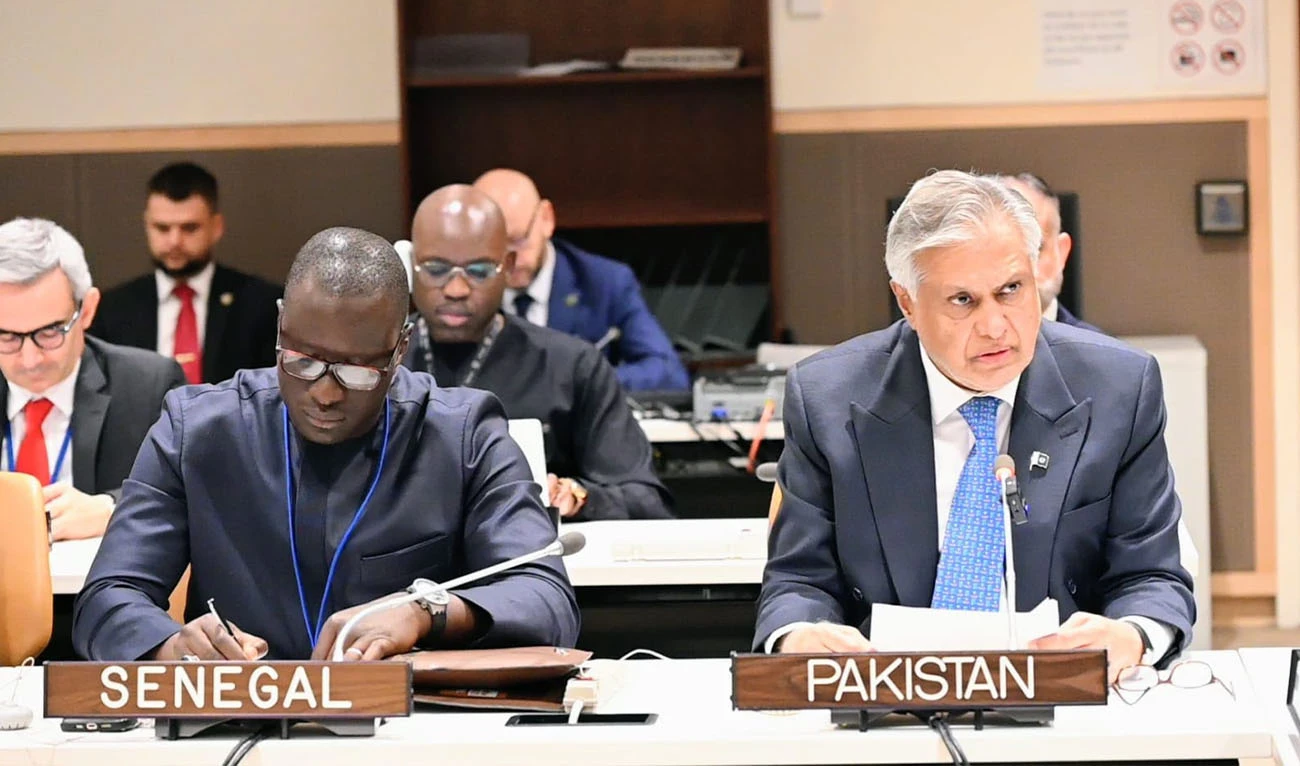
“The meeting stressed the importance of strict and transparent adherence to the austerity measures, promoting fiscal responsibility and prudent use of public resources,” Deputy Prime Minister and Foreign Minister Senator Mohammad Ishaq Dar said in a statement.
He was chairing a meeting of the Committee for Monitoring and Implementation of Conservation and Additional Austerity Measures, constituted under the directions of the PM, bringing together federal and provincial officials to review execution of the broad cost‑cutting plan.
Dar emphasized the government’s commitment to enforcing the PM’s austerity steps nationwide. The committee’s review also covered reductions in departmental expenditure, deductions from salaries of senior officials earning over Rs. 300,000 ($1,120), and coordination with provincial administrations to ensure uniform implementation of the plan.
Participants at the meeting reiterated that all ministries and divisions must continue strict monitoring and reporting, with transparent oversight mechanisms, as Pakistan navigates the economic pressures from the prolonged Middle East crisis and its fallout on global energy and trade markets.