RAWALPINDI: The buzz of the hour in the world of beauty, hempseed oil, has made its breakthrough onto Pakistan’s beauty scene with a number of independent brands producing organic, locally sourced products.
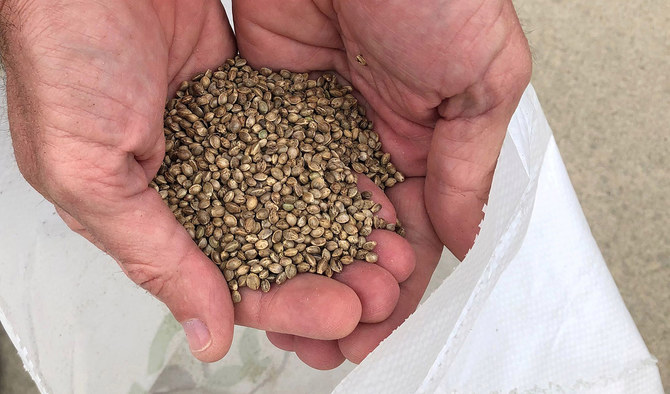
As the name suggests, hempseed oil is derived from the seeds of the hemp plant, a species of Cannabis. In September this year, Pakistan decided to tap into the legal cannabis market for CBD and hemp products.
Hemp contains no psychoactive elements and is found in great abundance across Pakistan.
“It’s funny how hemp seeds have always been readily available in the local market but were never used by the skincare industry until we saw almost all of Europe immerse itself in hemp-based products,” said Hira Ali, a designer based out of Lahore who moved into the beauty space last year with her eponymous line, Hira Ali Beauty.
Ali says the reason hempseed oil has not been particularly sought out by Pakistan’s beauty industry, is because it’s been a taboo topic-- one associated with cannabis. But the very first product Ali launched, Miracle Oil, brought hempseed oil out of Pakistan’s fields and onto its shelves.
“My mom is huge on skincare and wanted to order hemp-based skincare products from abroad. My dad, a chemical engineer, convinced her that he could make it at home,” Ali said.
Ali’s father, Junaid Ali, took on the challenge as a passion project. At the labs and factories he operates around the country, he would take his concoctions in a bid to master the formula and show his wife and daughter that the hemp seeds available in Pakistan could be transformed into a product as good as those they purchased abroad.
After spending months formulating the right ratios of hempseed oil with other ingredients to make it suitable for a range of skin types, the product was ready for trials - and the test subject was Ali's mother.
She used the hempseed oil her husband had so devotedly created for a whole year, handing out samples to friends. And with overwhelmingly positive reviews, finally Ali decided it was time to launch it with her skincare brand.
Like any facial oil, hempseed oil can be used up to twice a day and addresses a diverse range of skin concerns from anti-aging to inflammation, hydration to acne, and pore concerns like congestion and swelling.
Its properties make it a useful tool in the skincare lineup and its availability in Pakistan has made it an attractive product for new companies to branch into such as Poppy skin and Balance Beauty.
“The entire plant is a treasure trove of utility. The seed, the leaf, the bud, and the stem-- all of it,” said Hajira Asif Khan, co-owner of the Islamabad-based organic beauty brand Poppy Skin soon releasing their own hempseed oil.
Khan said the Pakistan government’s directive earlier this September which approved the industrial production of the plant had “opened many roads,” and aligned with the brand’s ethos that looks to celebrate ancestral remedies and ingredients for beauty.
“It is hard to get from one place to another in the capital of the country, without passing by wild hemp that grows like weeds,” said Khan. “It’s a plant that thrives in this environment and is native to our land.”
Hempseed oil can also be found in shops that sell other essential oils such as eucalyptus and peppermint.


![]()

All-local hempseed oil is Pakistan’s latest beauty buzzword
Short Url
https://arab.news/vnkas
All-local hempseed oil is Pakistan’s latest beauty buzzword
- Earlier considered ‘taboo’ due to its associations with cannabis, hempseed oil is an emerging trend in Pakistan’s beauty industry
- With its raw material grown abundantly in the country, hempseed oil is entirely sourced and made in Pakistan
Latest updates


© 2026 SAUDI RESEARCH & PUBLISHING COMPANY, All Rights Reserved And subject to Terms of Use Agreement.