
ISLAMABAD: The top official of the wildlife management board in the federal capital said on Friday the government was planning to build a new wildlife park at the site of the Marghazar Zoo in Islamabad, though animal rights activists doubted his claim.
The zoo, which was built in 1978, was widely criticized for its inadequate facilities that led to the poor condition of animals.
It was shut down after the Islamabad High Court ordered in May to relocate all animals to other sanctuaries in the wake of reports that many of them had died due to the negligence of their keepers.
“At the moment, the zoo is built over 25 acres of land, but the new wildlife park will be spread over 82 acres,” Islamabad Wildlife Management Board Chairman Dr. Anis Ur Rahman, who is also the administrative head of the zoo, told Arab News on Friday.
#LISTEN: Chairman @WildLifeBoard Dr. Anis Ur Rahman hints at the huge infrastructure of the new #IslamabadZoo that will have "large spaces for animals and small places for human beings." || #Pakistan #WildLife
-
Read special by @iSaimaShabbir: https://t.co/ZN6KwneiHT pic.twitter.com/X1UwKIuPIC— Arab News Pakistan (@arabnewspk) November 7, 2020
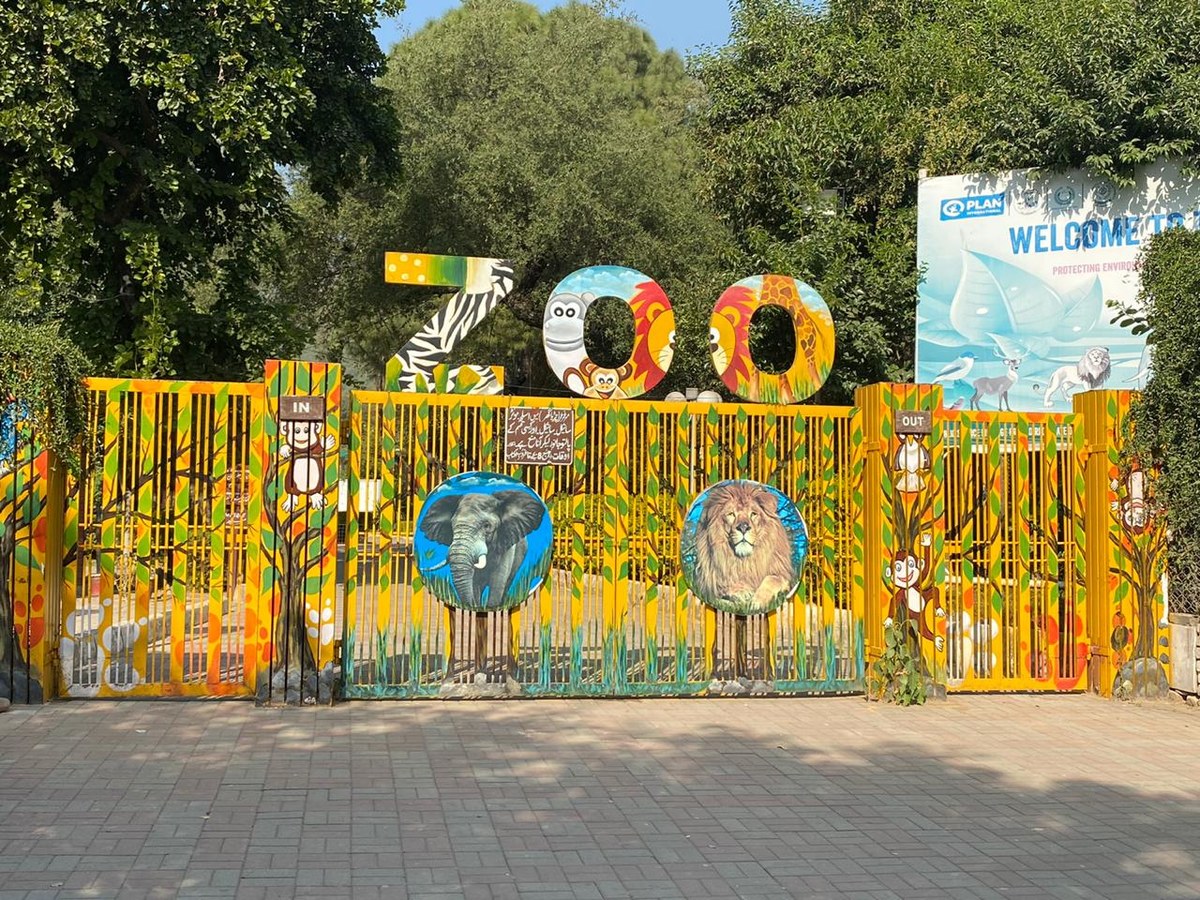
Once busy Islamabad Zoo wore a deserted look on November 6, 2020, as an official told Arab News that the government was planning to build a new wildlife park at the site of this animal sanctuary. (AN Photo)
He added that the plan had already been approved by the Ministry of Climate Change and would be implemented next year.
“Over Rs.1 billion have been allocated for the next three years to ensure the upkeep of this place,” Rahman informed. “We will be able to finish our work on the new wildlife park in the next six to eight months.”
Asked about the recent closure of the zoo, he maintained it was due to the “lack of will” among the staff members and lack of financial support owing to the turf wars between the Capital Development Authority and Municipal Corporation Islamabad.
Anwar Hussain, an animal rights activist who was also part of the pioneering team that developed the facility, said it seemed unlikely that the government wanted to build a better wildlife park at the site of the zoo.
“If they were planning to do that, they would probably have adjusted all the animals in nearby zoos, instead of sending them to far-flung areas,” he argued. “They are not serious about building any zoo. Such a venture is likely to end up in failure like other such projects.”
Muhammad bin Naveed, who works with the Friends of Islamabad Zoo, also expressed his skepticism.
“I was involved in the preparation of a renovation project for zoo when the CDA initiated the process in 2008, but they did nothing after seeking its approval,” he told Arab News, adding: “This issue cannot go away so easily this time since this cause has now been taken up by the world, not just animal rights activists in Pakistan.”
Owais Awan, one of the lawyers who fought the case for the relocation of animals, said his team had succeeded in getting the unprecedented decision from the high court and would try to secure a better future for the zoo after the relocation of animals to international sanctuaries.
“For an international level sanctuary, you need to involve experts to make sure that people who are interacting with the animals have adequate training,” said Celesta von Chamier, wife of a German diplomat who has worked for animal welfare at the zoo for over a year.
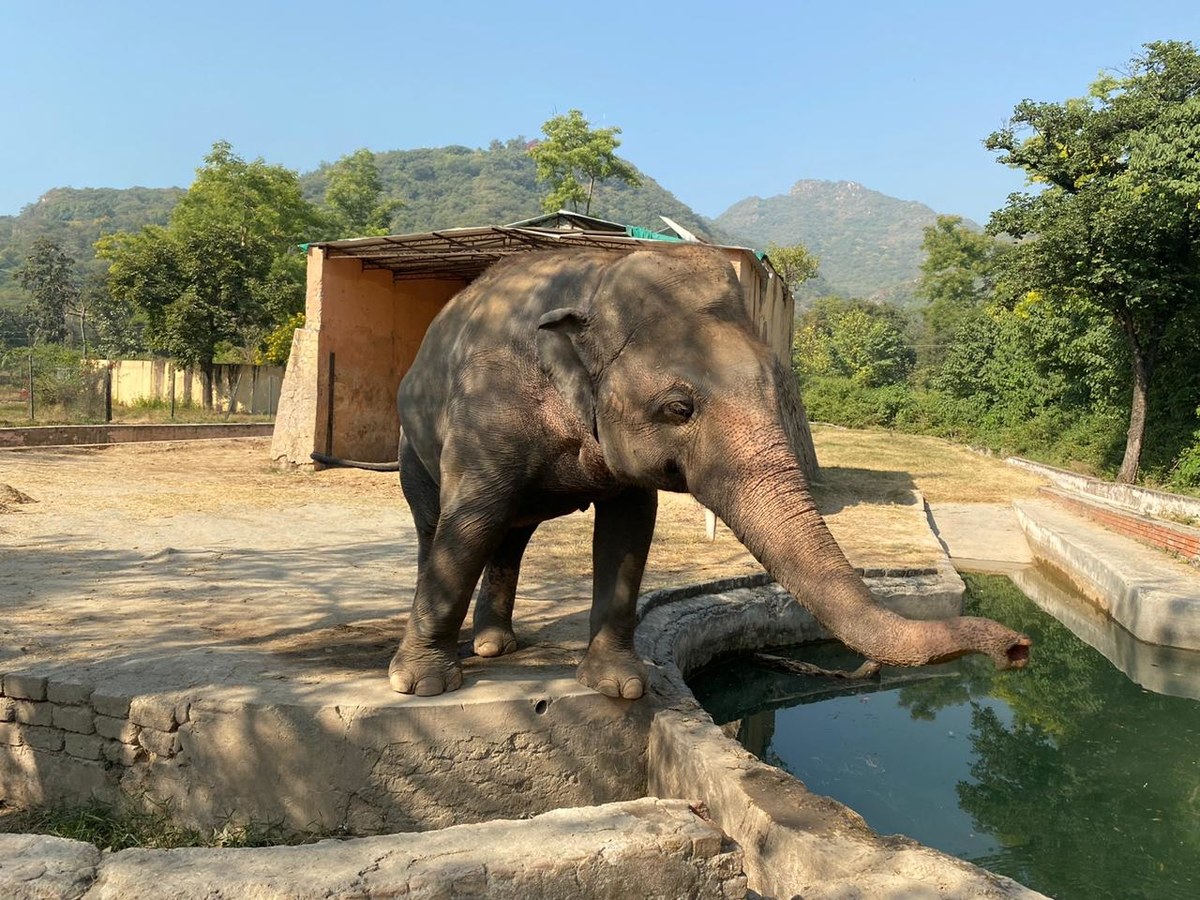
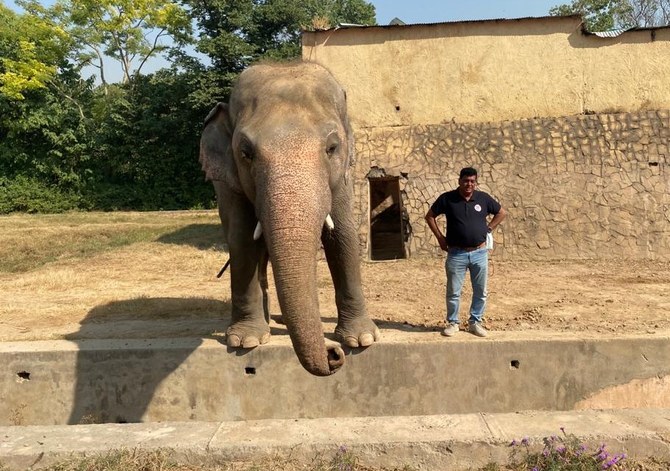
This November 6, 2020, picture shows elephant Kaavan who is being prepared for air travel since he will soon be transported to an animal sanctuary in Cambodia where he will spend the rest of his days. (AN Photo)
“If a sanctuary is to happen here then, in my opinion, the Ministry of Climate Change should work with renowned international organizations like Four Paws,” she told Arab News.
Dr. Amir Khalil, who works on project development at Four Paws, said his organization would be more than happy to share its expertise, train staff, and share knowledge with the administration of the zoo.
“If we want to keep wild animal here in Pakistan in the future, it should be done by qualified and trained staff who know how to take care of animals,” he continued. “We will be glad to assist the Islamabad Zoo in the future if they plan to build such a sanctuary.”