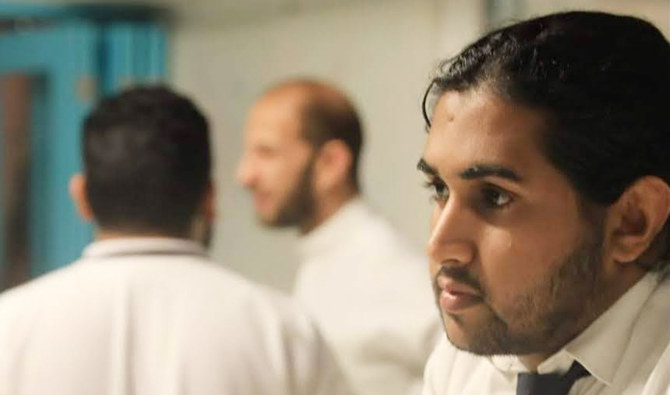

JEDDAH: Struggling with depression or any form of anxiety can be overwhelming at times, and seeking therapy is too expensive for some. This is where the role of a community safe space comes in.
In August 2019, 31-year-old Amer Al-Wafi created the Jeddah Support Group (JSG), a nonprofit self-help group — also called peer support group — that is dedicated to providing a supportive, understanding, and accepting safe space for others to share their experiences and feelings regarding their struggles with depression or anxiety.
Al-Wafi said he was motivated to create the group after he needed help and couldn’t find support in Jeddah.
“I needed one. I wasn’t ready to go to a therapist, I just needed a place to talk, where the attention isn’t fully on me, and around people who will understand me, just like the ones I used to see in the movies,” he told Arab News.
The support group is free of charge, and members only need to pay a small fee to the places where live sessions are held.
“I struggled with finding the proper place to hold the meetings. It was important for me to make it affordable to everyone, so I needed a private place that wasn’t expensive either,” Al-Wafi said. He added that the community helps in overcoming depression and other struggles by being supportive, understanding, and accepting.
“When we hear someone’s struggle we truly must listen, show that we care, think before we reply, and choose our words carefully,” he said. “We as a community must invest in being compassionate. We must remember that we will overcome struggle when all of us are holding hands and working together on becoming better.”
Al-Wafi said that the Kingdom needs more support groups for different types of struggles such as domestic violence, bipolar disorders, and more.
“We need a lot, everywhere, that tackles all kinds of problems and struggles. We need support groups for domestic violence, bipolar disorders, single parents, grief, unemployment, and more. There are passionate people out there who are willing to host it, so let’s do it.” He urged people to host sessions in universities, neighborhoods, mosques, hospitals, therapy centers, and even online.
Al-Wafi plans to empower and encourage others to start and host a support group for subjects that they understand the most, and he is ready to make JSG the umbrella of other groups in Jeddah. “I would love to help guide those who are interested to start one and redirect members to the support group that will help them the most,” he said.
Al-Wafi does not have a background in psychology, but reads literature and research in the field and also regularly consults therapists.
‘We need support groups for domestic violence, bipolar disorders, single parents, grief, unemployment, and more.’
Amer Al-Wafi
“That’s the beauty of support groups. Internationally, you don’t need to have a background in psychology to host a support group. But I do my fair share of reading, consulting therapists, and research to increase my knowledge and improve my hosting and discussion skills,” he said.
“The main factor of hosting a support group is that you must be a supportive person who knows how to support others properly.”
All age groups are welcome in JSG, but the group has a disclaimer stating that they cannot help those with high levels of mental distress, which may be associated with psychosis, severe depression, or active posttraumatic stress disorder. “In the disclaimer, we also encourage those with severe cases to seek help from qualified health professionals.”
Munira, who joined the group a year and a half ago, struggled with depression and loneliness after returning to the Kingdom from her scholarship abroad and went to seek therapy. She did not receive the support she was looking for from a therapist.
“Once I finished my scholarship and returned to Jeddah I felt depressed and so lonely. I met a therapist, and she was strange and told me that I am spoiled and I should pray,” she told Arab News.
“I knew about the JSG by chance and since then I was with them. This group is like a home for me. I can express any feelings without a mask and with comfort. It is really something I am so proud to have as a part of my journey with depression.”
Sultan, who has been in the group for a year, said the group helped him gain new perspectives and boosted his self-esteem.
“I was in a dark place and then there was light. The support group helped me understand many things about myself and allowed me the opportunity to see a perspective other than mine.
“It taught me that the right people will love you and that some people won’t like you, no matter how nice you are. And that’s OK.”