

Makkah hotels bounce back with price cuts

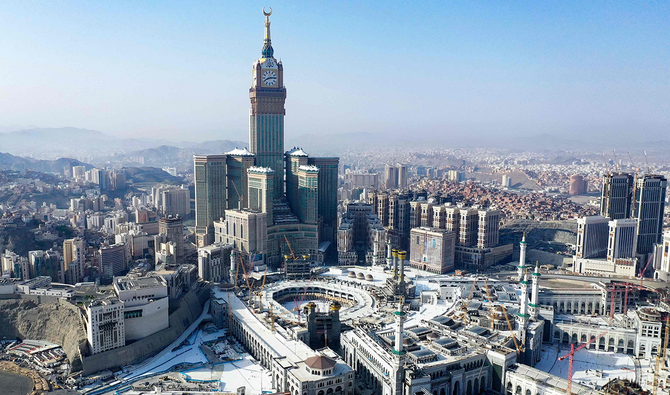
Known to have the highest prices through the year, hotel rooms near the Grand Mosque currently cost between SR250 and SR700. (AFP)
Short Url
Updated 07 October 2020
Follow

Makkah hotels bounce back with price cuts

  • Competitiveness in the sector ‘likely to return by 2023’

MAKKAH: Makkah hotel prices have been slashed to unprecedented levels in the Umrah season, with the price of rooms dropping as low as SR38 ($10) in some areas.

Five-star hotels with a full view of the Grand Mosque in Makkah are getting ready to resume their activity and restore normality to the hotel industry by offering great discounts.

The holy city contains more than 1,400 hotels, which make up more than two third of the accommodation sector in the whole of Saudi Arabia.

Known to have the highest prices through the year, which peak about three times during busy seasons, hotel rooms near the Grand Mosque currently cost between SR250 and SR700 ($77-$187).

A tweet by Hajj and Umrah Minister Dr. Mohammed Saleh Benten, brought attention to central Makkah hotels that have endured through the testing times of the pandemic.

Benten expressed his gratitude and happiness for the striking offers made by Makkah hotels, and described them as safe environments that take health requirements into account.

Abdullah Filali, chairman of the hotel committee at the Makkah Chamber of Commerce and Industry, told Arab News that the promotions announced by some hotels are a gradual means to revitalize the sector. He said the pricing is just the beginning of a gradual, progressive return to health for the troubled industry.

Filali noted that prices do not reflect employment volume, which fell to the low levels after the pandemic hit. “All hotels had to resort to the state aid ‘SANED,’ to keep their employees and fix their documents,” he said.

FASTFACT

The price of rooms has dropped as low as SR38 in some areas.

He added that only four central hotels had started to come back to life and that the recovery of the accommodation sector will be well underway by October 2021. Competitiveness will return by the end of 2023, Filali said.

The manager of one hotel overlooking central Makkah, Fadel Munqal, said that state efforts to serve Muslims are clear and evident through the protection of pilgrim safety. Steps to resume Umrah were compliant with health and precautionary plans and ensure the protection of health and safety, he added.

“The Kingdom seeks to reach the highest levels of reassurance and readiness for all pilgrims of different nationalities, which will be achieved with the beginning of the third phase of the plan. It will indicate the actual comeback of the accommodation sector and enable pilgrims to experience an integrated spiritual and tourism experience,” Munqal said.

He added that the Kingdom sacrificed economic welfare in a noble move to protect pilgrim safety during Hajj and Umrah.

Munqal said that Saudi Arabia possesses the capabilities to help hotels compete — in compliance with precautionary measures — with the arrival of pilgrims from across the world. He added that Makkah provides Islamic sites, in addition to important historical museums.

Grand Mosque library

The library of Makkah’s Grand Mosque has launched more than 16 initiatives to start welcoming visitors. The library will receive 30 visitors per hour amid strict social distancing measures.

It is considered a beacon of knowledge, covering an area of 1,000 square meters and containing 30,000 books and 5,600 titles.

Smart nutrition for a winter Ramadan

Updated 9 sec ago
Follow

Smart nutrition for a winter Ramadan

  • Experts share practical tips on protein timing, hydration and balanced meals

RIYADH: As Ramadan falls during winter this year, thoughtful preparation and planning is needed for a range of health and nutritional challenges.

Nutrition and fitness specialists emphasize that gradual pre-Ramadan adjustments and the selection of digestion-friendly foods are essential for a comfortable fasting experience, particularly for individuals with irritable bowel syndrome and other conditions.

Tailored strategies are especially important for athletes. Proper timing of protein intake, sufficient calories, and well-structured meals and supplements are critical to prevent muscle loss and fatigue amid a short eating window and colder weather.

Amal Althayed, a clinical dietitian specialist, highlights the importance of “smart gradual preparation” before Ramadan to avoid digestive shock, especially for those with IBS.

She recommends starting one to 10 days before Ramadan by gradually delaying the evening meal and reducing daytime portions. This approach helps align the body’s biological clock and digestive system.

At the onset of fasting, Althayed suggests prioritizing digestion-friendly foods. Iftar should start with warm liquids, such as bone broth, accompanied by simple carbohydrates and light proteins. Fried foods and heavy legumes should be avoided initially.

She also stresses the importance of a balanced sahoor, focusing on protein and soluble fiber — such as boiled eggs with whole wheat bread — while minimizing simple sugars and refined carbohydrates.

Heavy evening stimulants such strong coffee, chocolate, and high-sugar foods can irritate the digestive system and worsen symptoms, particularly for individuals with IBS, Althayed warns.

The key to navigating nutritional challenges during Ramadan — whether related to digestion or cravings for sweets — lies in mindful food choices, dietary balance, and listening to the body. Consulting a dietitian to create a personalized plan is strongly advised, she says.

Khaled Alhasher, CEO of Next Stage, a company specializing in dietary supplements, told Arab News that the main nutritional challenge during winter fasting is not dehydration, as commonly believed, but insufficient calorie and protein intake due to a short eating window and early satiety.

Alhasher recommends starting iftar with fast-digesting protein, taking supplements such as creatine before exercise, having a post-workout protein and carbohydrate meal, and ending the day with slow-digesting casein protein before bedtime.

Exercise immediately before iftar should be limited to light or moderate intensity. The body should be fueled with carbohydrates and protein at sahoor, while strong stimulants or Branched-Chain Amino Acid supplements should be avoided during fasting, he cautions.

Despite reduced thirst in winter, fluid and electrolyte replenishment remains essential. Sipping water during non-fasting hours and consuming electrolyte drinks after exercise helps maintain hydration.

Preventing muscle breakdown depends on consuming adequate protein —1.6 to 2.2 grams per k of body weight — taking casein before sleep, maintaining regular training, and using creatine, Alhasher says.

He also recommends supplements that are particularly important in winter — vitamin D, magnesium, zinc, and omega-3 — for their role in addressing deficiencies, supporting immunity, and aiding recovery.

The most common mistake is relying on supplements to compensate for a poor diet. Alhasher said: “Supplements complement; they don’t replace. Prioritize adequate calories, sufficient protein, and quality sleep first.”

Mahmoud Shaheen, head chef at Spread in Riyadh, says Ramadan offers an ideal opportunity to reset dietary habits in a healthy and balanced way while preserving the spirit of the traditional table.

Moderation and ingredient quality are essential for comfortable and harmonious fasting. Shaheen explains that iftar should start gradually, with warm fluids such as water or herbal tea and a moderate amount of dates.

Main dishes can be both healthy and indulgent by using methods such as grilling or slow cooking, paired with high-quality proteins including chicken or lean meats, and accompanied by vegetables, brown rice, or whole grains.

For desserts, Shaheen recommends lighter, balanced options, such as grilled fruits with yogurt or low-sugar pudding. Portion control is key to enjoying them without overloading the digestive system.

He also notes the benefits of mild winter spices, such as cardamom, cinnamon, and cumin, to enhance flavor without straining the body, while reducing hot spices and excessive sodium.

“Ramadan is not a season of excess, but a time for balance,” he said.