YEREVAN, Armenia: The fighting between Armenian and Azerbaijani forces over the separatist territory of Nagorno-Karabakh resumed Monday morning, with both sides accusing each other of launching attacks.
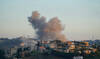
Armenian military officials on Monday reported missile strikes hitting Stepanakert, the capital of Nagorno-Karabakh. The region lies in Azerbaijan but has been under the control of ethnic Armenian forces backed by Armenia since the end of a separatist war in 1994.
Firefights of varying intensity “continue to rage” in the conflict zone, Armenian Defense Ministry spokeswoman Shushan Stepanian said on Facebook.
The Azerbaijani Defense Ministry, in turn, accused Armenian forces of shelling the towns of Tartar, Barda and Beylagan. Ganja, Azerbaijan’s second-largest city far outside of the conflict zone, is also “under fire,” officials said.
Armenia’s Foreign Ministry in a statement dismissed allegations of the attacks being launched from the Armenia’s territory as a “disinformation campaign” waged by Azerbaijan.
Vahram Poghosyan, spokesman for Nagorno-Karabakh’s leader, on Monday warned in a Facebook post that the territory’s forces would target military facilities in Azerbaijani cities in response to strikes on Stepanakert and Shushi, a town in Nagorno-Karabakh.
The fighting erupted Sept. 27 and has killed dozens, marking the biggest escalation in the decades-old conflict over the region. Both sides have accused each other of expanding the hostilities beyond the conflict zone in Nagorno-Karabakh.
Nagorno-Karabakh officials have said nearly 200 servicemen on their side have died in the clashes so far. Eighteen civilians have been killed and more than 90 others wounded. Azerbaijani authorities haven’t given details about their military casualties, but said 24 civilians were killed and 121 others were wounded.
Nagorno-Karabakh was a designated autonomous region within Azerbaijan during the Soviet era. It claimed independence from Azerbaijan in 1991, about three months before the Soviet Union’s collapse. A full-scale war that broke out in 1992 killed an estimated 30,000 people.
By the time the war ended in 1994, Armenian forces not only held Nagorno-Karabakh itself but substantial areas outside the territory’s formal borders.
Azerbaijani President Ilham Aliyev has repeatedly said that Armenia’s withdrawal from Nagorno-Karabakh is the sole condition to end the fighting.
Armenian officials allege that Turkey is involved in the conflict on the side of Azerbaijan and is sending fighters from Syria to the region. Armenian Prime Minister Nikol Pashinian said that “a cease-fire can be established only if Turkey is removed from the South Caucasus.”
Turkey’s government has denied sending arms or foreign fighters, while publicly siding with Azerbaijan in the dispute.


![]()

Armenia, Azerbaijan clashes resume over separatist region

Short Url
https://arab.news/zp5kc
Armenia, Azerbaijan clashes resume over separatist region
- Armenian military officials on Monday reported missile strikes hitting Stepanakert, the capital of Nagorno-Karabakh
- The region lies in Azerbaijan but has been under the control of ethnic Armenian forces backed by Armenia since the end of a separatist war in 1994


Latest updates




© 2026 SAUDI RESEARCH & PUBLISHING COMPANY, All Rights Reserved And subject to Terms of Use Agreement.