

Bill Gates names Pakistani among seven 'unsung heroes' of coronavirus pandemic

Microsoft principle founder Bill Gates participates in a discussion during a luncheon of the Economic Club of Washington June 24, 2019 in Washington DC. (AFP/File)
Short Url
Updated 15 September 2020
Follow

Bill Gates names Pakistani among seven 'unsung heroes' of coronavirus pandemic

  • Bizenjo founded organization that supplied food to remote villages in Balochistan and PPE suits to health workers
  • Now utilizing leftover resources to invigorate over 25 free libraries in different districts of Balochistan

RAWALPINDI: Billionaire philanthropist Bill Gates has named a Pakistani, Sikander Bizenjo from the southwestern Balochistan province, as an ‘unsung hero’ of the coronavirus pandemic.
In a blog post written on September 8 and called “7 unsung heroes of the pandemic,” the American business magnet listed seven “incredible people” who had cared for others after the coronavirus outbreak.

Bill Gates shares a video honoring seven people around the world, including Pakistan's Sikander Bizenjo, as "unsung heroes" of the coronavirus pandemic on his official Twitter account on September 12, 2020. 

Writing about Bizenjo, Gates said he had founded a group called the Balochistan Youth Against Corona, “which raises funds for monthly food rations for 10,000 households in Balochistan as well of personal protective equipment, masks, face shields and hand sanitizers for frontline health workers.”
“I am overwhelmed,” Bizenjo, 29, told Arab News over the phone on Tuesday when questioned about the recognition from Gates. “It is not just about me or my team, but to see Balochistan in headlines for something positive makes me feel incredibly proud.”
“Everyone knows who Bill Gates is,” he said, laughing. “Even people in my village and other remote areas of the province have been excited about this.” 
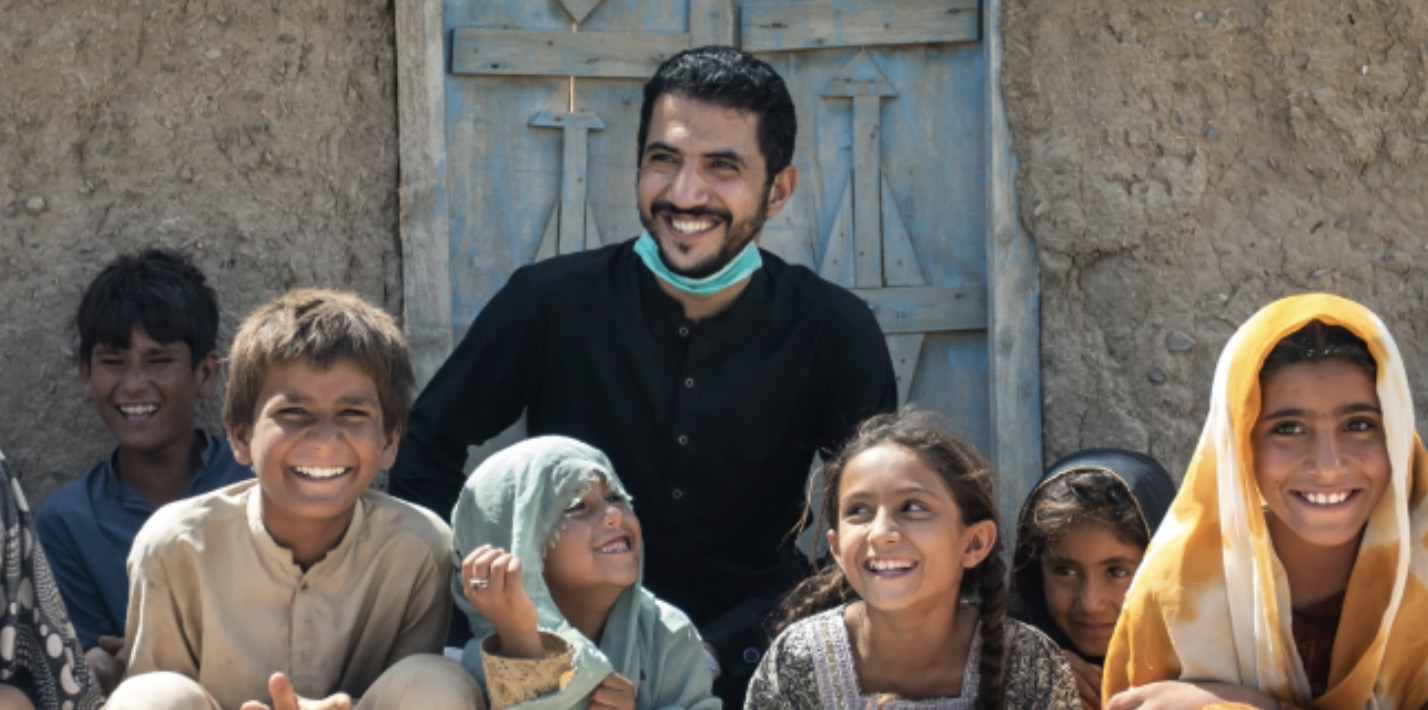


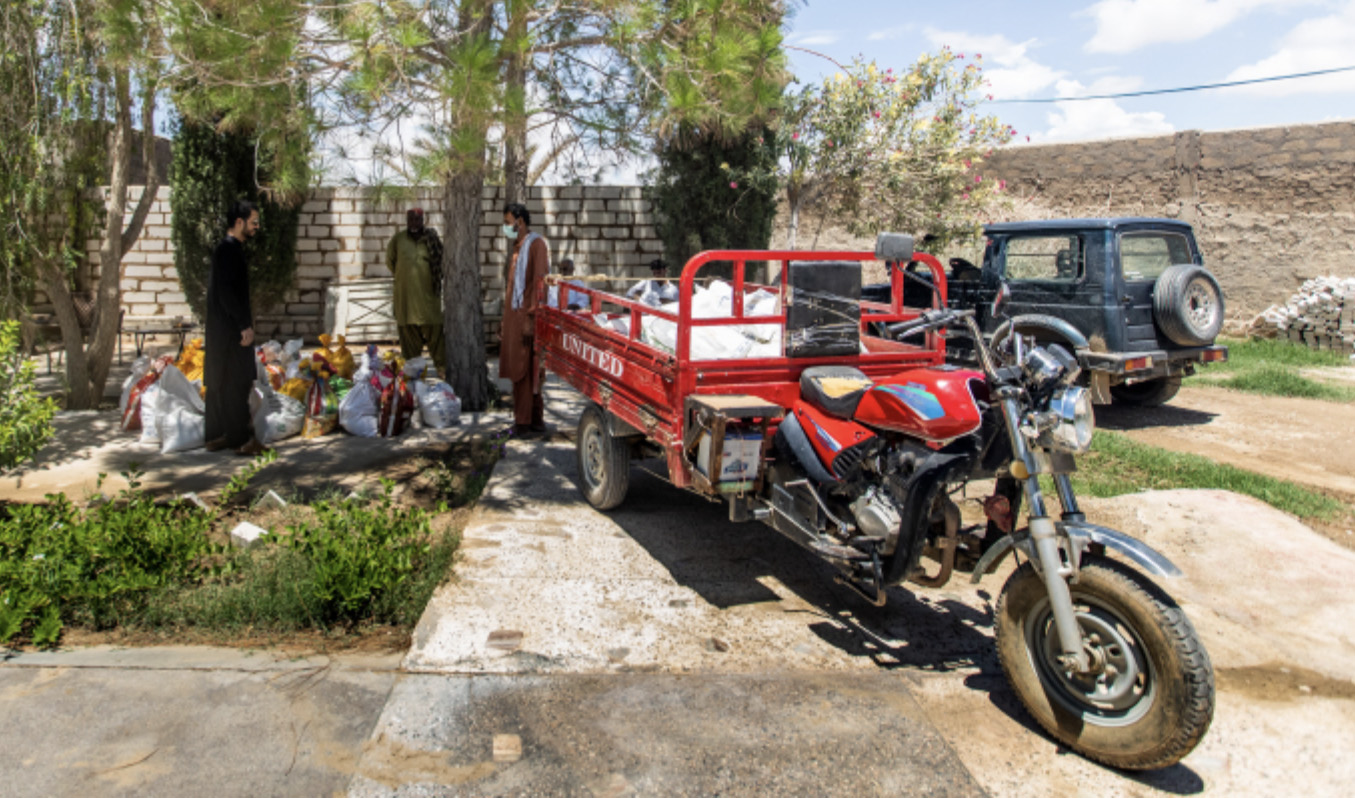
Balochistan Youth Against Corona Volunteers pack food products before delivering them around Balochistan on August 10, 2020. (Picture courtesy: Khaula Jamil for Gates Blog)

Bizenjo comes from Naal in Khuzdar district but lives and works in Karachi. He cofounded BYAC with Banari Mengal, with Khalid Ismail and Dr. Yasir Baloch as core team members.
“We began when the pandemic started,” said Bizenjo. “I was getting concerned about certain areas in Balochistan, thinking they would either get overlooked or be extremely hard to reach for aid workers and even the government.”
BYAC first started campaigning for donations to help feed and keep 10,000 families in the province healthy through food rations and home supplies.
“We started with food supplies because we wanted to make the lockdown successful,” Bizenjo said. “However, that would have required people to stay indoors to prevent the virus from spreading. This would only have been possible if they had enough food. Unfortunately, many people in these villages don’t have food for four days, let alone a whole month.”


Bizenjo and volunteers educate people about how to wash hands near Naal village in Khuzdar, Balochistan, on August 8, 2020. (Picture courtesy: Khaula Jamil for Gates Blog)

Bizenjo and his team, joined by hundreds of volunteers, began serving far flung villages inaccessible due to poor road infrastructure and provided enough rations, including soap bars, to keep families satiated for at least a month.
Soon after its operations began, Bizenjo’s organization shifted gears and also started providing personal protective equipment (PPE), such as face shields and N95 masks, to local hospitals. This was done at a time when Quetta was in the news as several doctors and paramedics in the provincial capital of Balochistan became infected with the coronavirus.
Now that infection numbers have dropped, BYAC is utilizing its leftover resources and collecting new donations to invigorate over 25 free libraries in different districts of Balochistan, Bizenjo said.


Bangladesh mourns slain activist as tensions rise ahead of elections

Updated 6 sec ago
Follow

Bangladesh mourns slain activist as tensions rise ahead of elections

  • Sharif Osman Hadi, who took part in 2024 uprising against Sheikh Hasina, passed away last week after getting shot
  • Hadi’s death has sparked a new diplomatic squabble with India, as police say shooter has probably fled to India

DHAKA, Bangladesh: Hundreds of thousands of people attended the funeral Saturday of a leading Bangladeshi activist who died of gunshot wounds sustained in an attack in Dhaka earlier this month, as political tensions gripped the country ahead of elections.

Sharif Osman Hadi, who took part in last year’s political uprising that ended former Prime Minister Sheikh Hasina’s 15-year rule, died in a hospital in Singapore on Thursday after being shot Dec. 12 in Dhaka.

Police said they had identified suspects and that the shooter had most probably fled to India, where Hasina has been in exile. The development sparked a new diplomatic squabble with India and prompted New Delhi this week to summon Bangladesh’s envoy. Bangladesh also summoned the Indian envoy to Dhaka.

Security was tight in Dhaka on Saturday as the funeral prayers were held outside the nation’s Parliament complex.

Hadi’s body returned on Friday night, and Saturday was declared a national mourning day.
Hadi was a spokesperson for the Inqilab Moncho culture group, which said he would be buried on the Dhaka University campus beside the country’s national poet Kazi Nazrul Islam.

Mourners carried Bangladesh flags and chanted slogans, such as “We will be Hadi, we will be fighting decades after decades,” and “We will not let Hadi’s blood go in vain.”

The news of his death on Thursday evening triggered violence, with groups of protesters attacking and torching the offices of two leading national dailies. The country’s interim leader, Nobel Peace Prize laureate Muhammad Yunus, has urged the people to stay calm.

Hadi was a fierce critic of both neighboring India and Hasina, who has been in exile since Aug. 5, 2024, when she fled Bangladesh. Hadi had planned to run as an independent candidate in a major constituency in Dhaka in the next national elections in February.

Bangladesh has been going through a critical transition under Yunus in a bid to return to democracy through the upcoming elections. But the government has been Hasina’s Awami League party, which is one of two major political parties. 

Hasina’s archrival, former Prime Minister Khaleda Zia’s Bangladesh Nationalist Party is the other key party, which hopes to forms the next government. The Jamaat-e-Islami party, the country’s largest Islamist party with a dark history involving the nation’s independence war in 1971, is leading an alliance to carve out a bigger political space in the absence of Hasina’s party and its allies.

Hasina has been sentenced to death on charges of crimes against humanity, but India’s has not responded to repeated requests by the Yunus-led government for her extradition.