Fend it like Beckham: Footballer's support puts spotlight on British-Pakistani's 'One Million Meals' drive

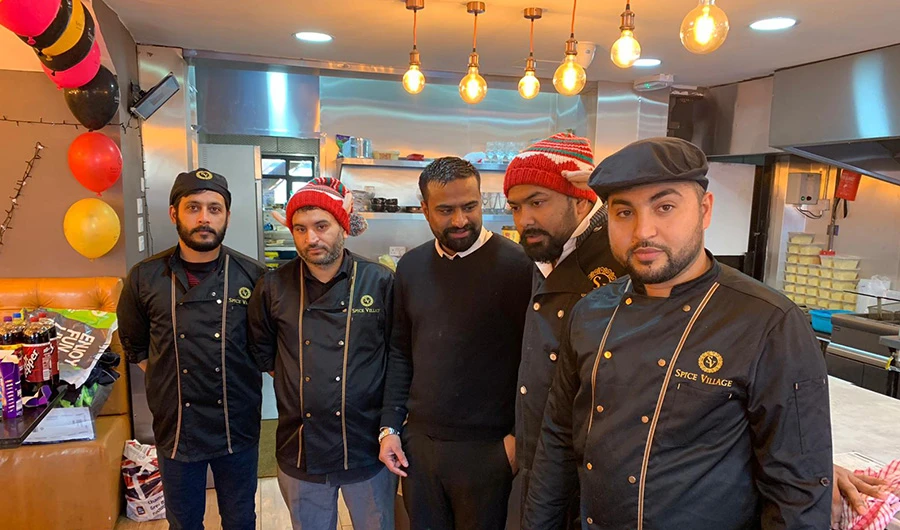
In this December 25, 2019 picture, employees of Spice Village restaurants serve meals to homeless and other vulnerable communities during their “No One Eats Alone” food initiative in London, United Kingdom, on December 25, 2019. (Photo courtesy: Suleman Raza)
Short Url
Updated 10 September 2020
Follow

Fend it like Beckham: Footballer's support puts spotlight on British-Pakistani's 'One Million Meals' drive

  • Suleman Raza launched the charitable project to feed doctors, nurses, paramedics and key workers at the peak of the coronavirus pandemic
  • A frequent diner at Raza’s restaurant, the legendary British footballer agreed to back the cause, winning it media attention and endorsement from PM Johnson

RAWALPINDI: Pakistani immigrant and restaurateur Suleman Raza has been serving food to the poor and homeless in the United Kingdom for years but when the coronavirus pandemic hit, he knew he had to do even more.

He thus launched the ‘One Million Meals’ initiative in April this year with the aim of feeding National Health Services (NHS) doctors, nurses, paramedics and key workers on the frontlines of the Covid-19 pandemic.
Much to Raza’s surprise, one of the people who wanted to pitch in was David Becham, the former England soccer captain and a frequent visitor at Raza’s award-winning chain of restaurants, Spice Village.
“As soon as I started the campaign, I thought that I should try Beckham, tell him about the project and see if he could help us,” Raza told Arab News over the phone.
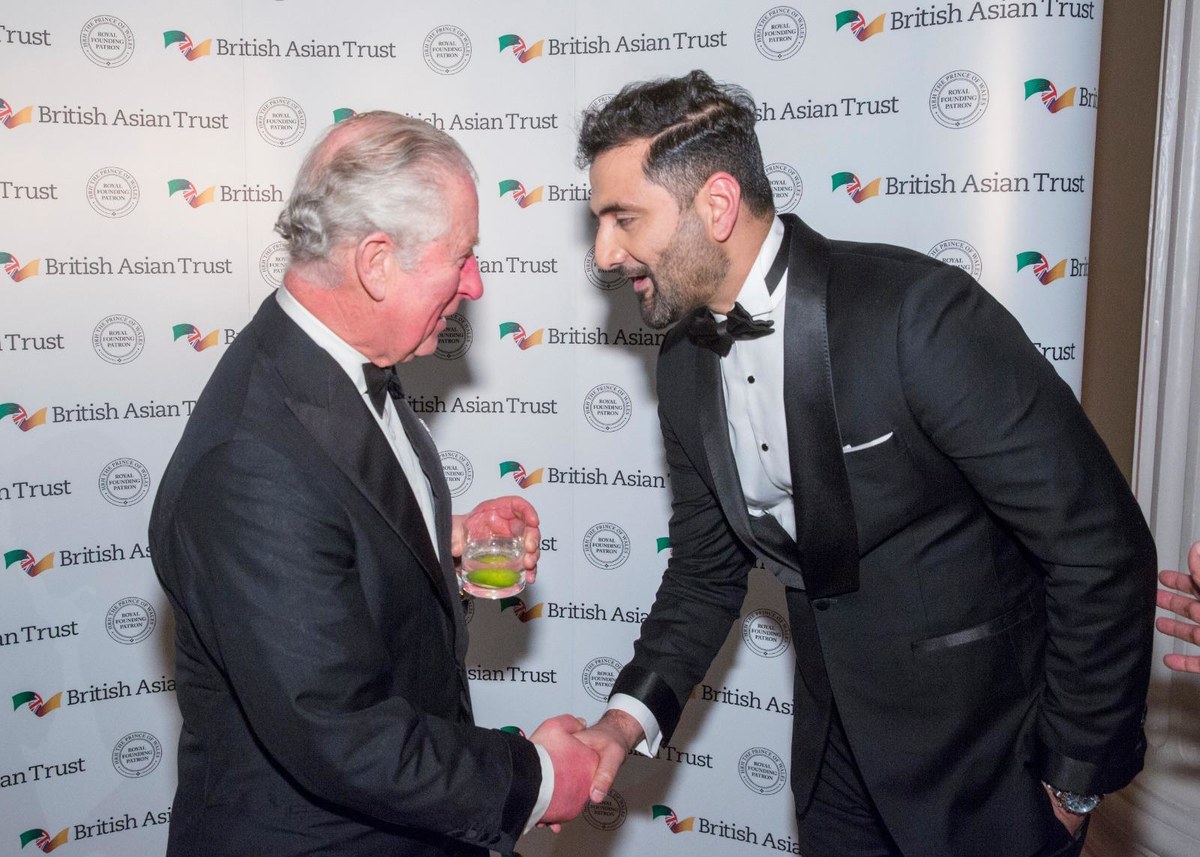


Suleman Raza with Camilla, the Duchess of Cornwall, at the Royal Annual Dinner in London, United Kingdom, on February 4, 2020. (Photo courtesy of Suleman Raza) 

“To be honest, I didn’t have high hopes since I know that celebrities are usually careful when it comes to charity, but I was left speechless,” Raza added. “As soon as I told him that I was offering free meals to homeless people and NHS workers, he said, ‘That’s the best thing I’ve heard. Tell me what you need from me.’”
Beckham’s support got the campaign valuable media attention and gave Raza platforms to speak about and raise funds for the initiative through corporate sponsorships and relationships with other restaurants. He even got an endorsement from UK Prime Minister Boris Johnson.

Raza said he has so far raised over a quarter million pounds and served “probably more than a million pounds worth” of meals.
“Our aim was never to raise money,” Raza said. “I treated the whole thing as a way to encourage restaurants and food producers all over the UK to contribute by offering meals.”
Raza and his family, who originally hail from Rawalpindi in Pakistan’s Punjab province, are no strangers to helping the community and have silently provided free meals to the poor and homeless for years.
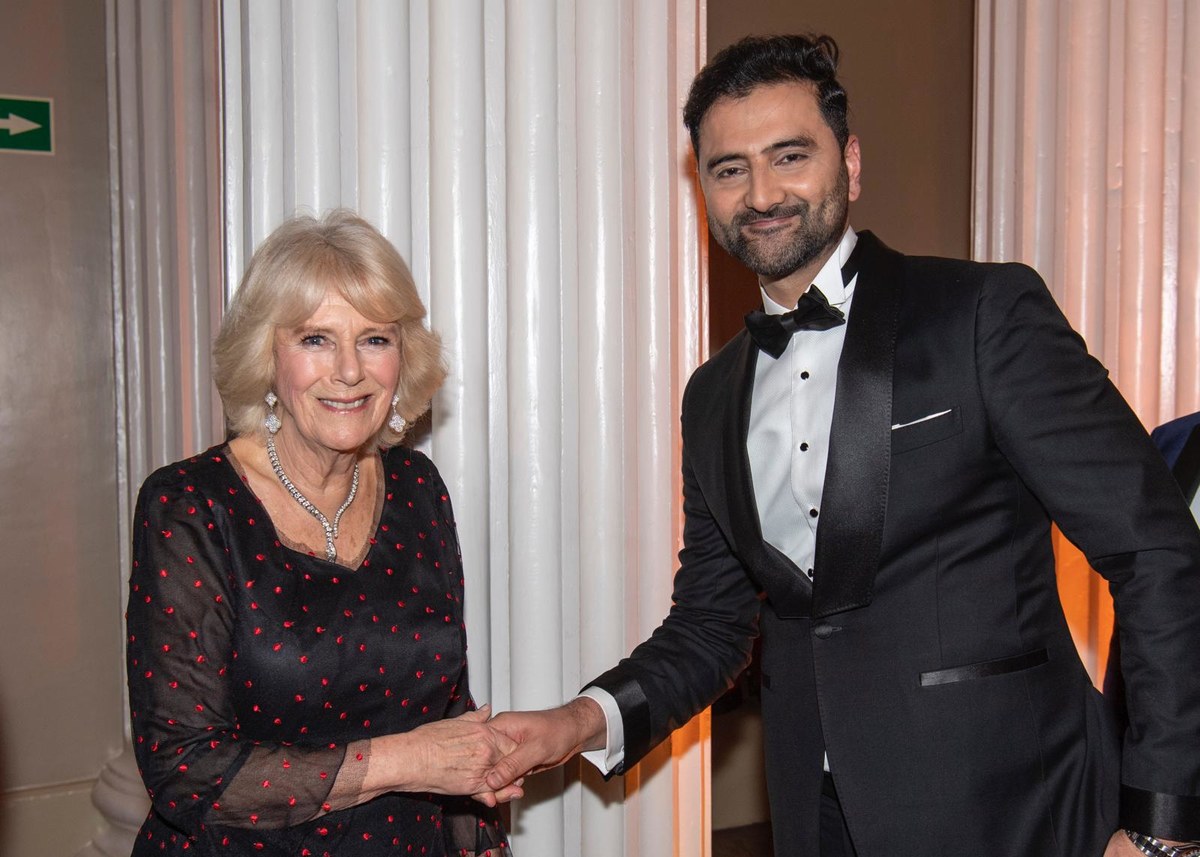


Suleman Raza shakes hands with Prince Charles at the Royal Annual Dinner in London, United Kingdom, on February 4, 2020. (Photo courtesy: Suleman Raza)

In December 2019, Raza launched the ‘No One Eats Alone’ project, which set out to serve warm Christmas meals to homeless and elderly people who were alone over the holidays.
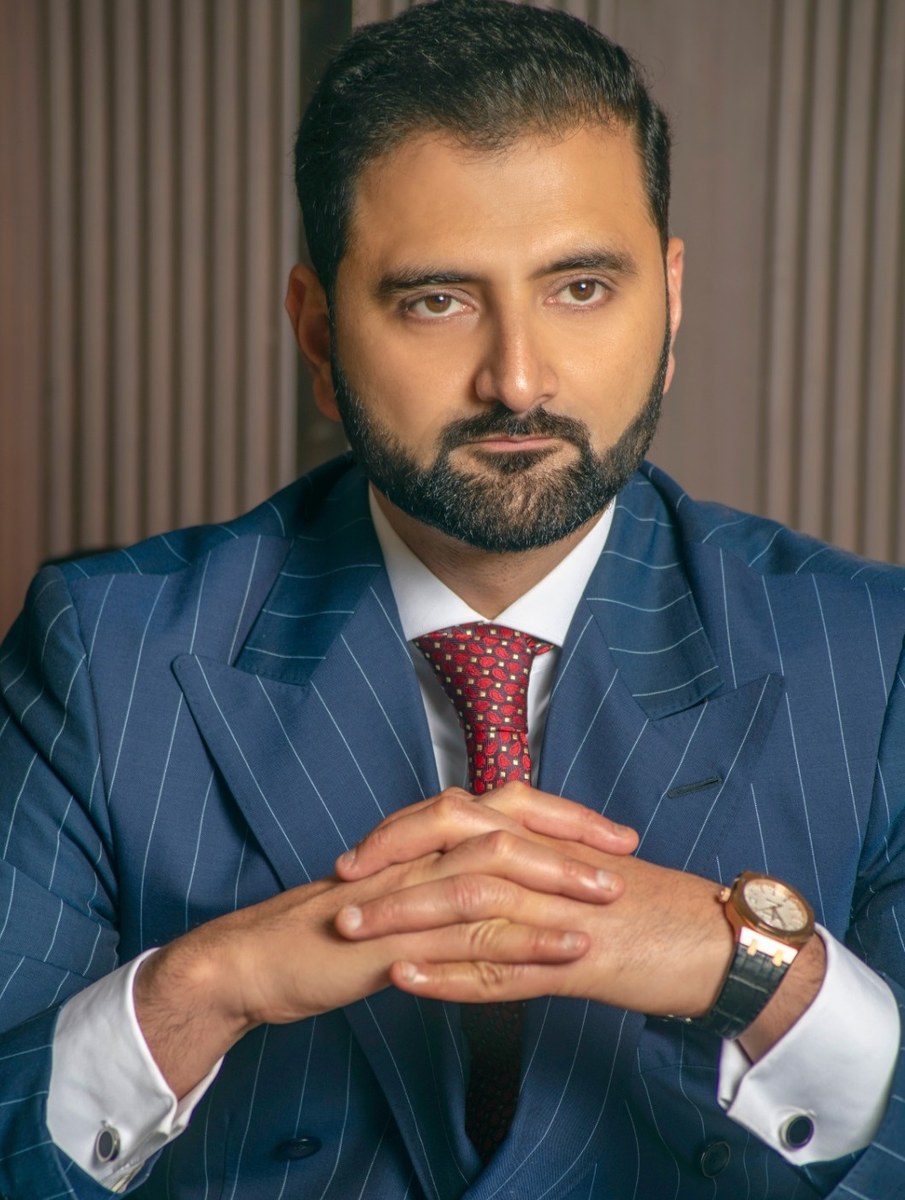


Undated picture of Suleman Raza who launched the One Million Meals campaign in April 2020 to help frontline workers and homeless people in the United Kingdom during the coronavirus pandemic.  (Photo courtesy: Suleman Raza) 

“I’ve been living here for over 20 years and I never thought that the UK had so much poverty,” he said, adding that he frequently sent Zakat, a mandatary form of charity in Islam, to Pakistan, but recently started focusing on those in need in the UK.
“Why should we not cater for all those poor and needy people who are in front of us?” Raza said. “We have a lot of poverty in Pakistan and other Muslim countries, but it’s also my duty as a Muslim to look after those who are right across the road.”
Pakistan top IT association backs $1 billion AI plan announced at Indus Summit

Updated 17 February 2026
Follow

Pakistan top IT association backs $1 billion AI plan announced at Indus Summit

  • Private sector pledges support for AI push, calls tech sector engine of future growth
  • Government to fund 1,000 AI PhDs, train one million professionals under digital strategy

KARACHI: Pakistan’s main software industry association on Tuesday backed the government’s plan to invest $1 billion in artificial intelligence by 2030, pledging private-sector support for what officials describe as a national push toward digital transformation.

The commitment was announced during Indus AI Week in Islamabad, held earlier this month, where Prime Minister Shehbaz Sharif outlined plans to fund artificial intelligence development, including scholarships and workforce training.

The Pakistan Software Houses Association (P@SHA), representing IT exporters and technology firms, said the private sector would play a central role in implementing the strategy.

“The IT sector is no longer merely a participant in Pakistan’s economy,” said Sajjad Syed, the association’s chairman, in a statement. “It is the fundamental engine of our future growth.”

“The commitments made at the Indus AI Summit provide a much-needed, evidence-based structural framework,” he added. “P@SHA, representing the collective strength of Pakistan’s software and tech enterprises, stands fully prepared to translate this policy into export-driven, practical realities.”

Syed said the integration of AI was no longer optional, describing it as a “matter of global survival and economic sovereignty.”

The government said the initiative includes funding for 1,000 PhD scholarships in artificial intelligence and a federal mandate to train one million non-IT professionals in advanced technology skills.

The Indus AI Week event drew participation from local and international technology companies, universities, and investors, according to organizers. It included technical bootcamps and industry panels aimed at accelerating AI adoption.

Pakistan’s IT exports reached $2.2 billion in July–December FY26, marking a 20 percent year-on-year increase, the statement said, as the country seeks to expand its technology sector to support foreign exchange earnings.

The AI push comes as Islamabad looks to modernize its digital infrastructure and attract technology investment while positioning the country as a competitive player in emerging technologies.