Chinese president reschedules Pakistan visit due to COVID-19

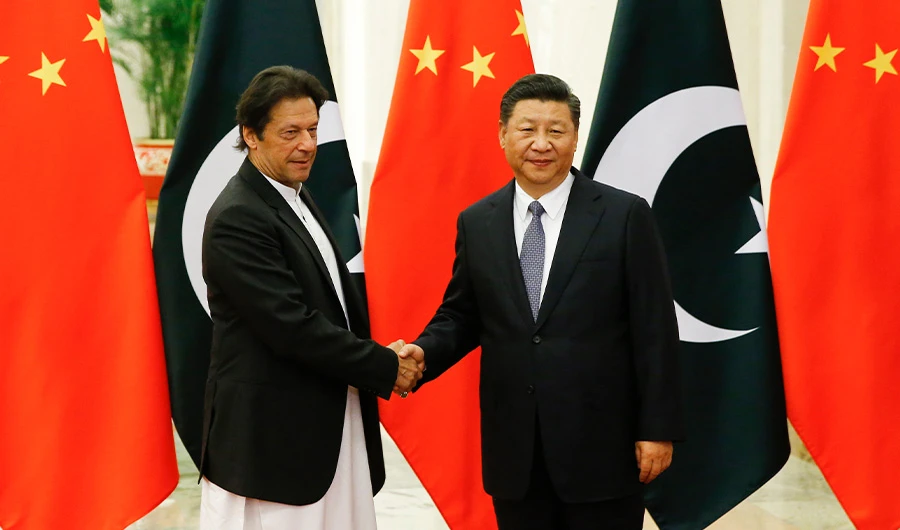
China's President Xi Jinping (R) shakes hands with Pakistan's Prime Minister Imran Khan (L) ahead of their meeting at the Great Hall of the People in Beijing on November 2, 2018. (AFP)
Short Url
Updated 04 September 2020
Follow

Chinese president reschedules Pakistan visit due to COVID-19

  • Chinese ambassador to Pakistan Yao says both nations working together to finalize a new date for Xi’s trip
  • Pakistani foreign minister emphasizes need for greater cooperation between Pakistan and China in agriculture sector

ISLAMABAD: Chinese Ambassador Yao Jing said on Thursday that a planned visit to Pakistan of Chinese President Xi Jinping had been rescheduled due to the coronavirus pandemic, Pakistani media has reported.
While speaking to journalists at a local mall in Rawalpindi, Yao said the governments of China and Pakistan were working to finalize a new date for Xi’s visit, which would be announced soon. He said President Xi would visit Pakistan on the invitation of Prime Minister Imran Khan.
The envoy expressed satisfaction over progress in projects under the multibillion-dollar China-Pakistan Economic Corridor (CPEC) agreement, saying both nations were aware of threats to the corridor posed by common ‘enemies’.
“We will not allow the enemies to succeed in their nefarious designs and CPEC projects will continue despite the challenge of COVID-19 on both sides,” Yao was quoted by Pakistani media as saying.
CPEC has seen Beijing pledge over $60 billion for infrastructure projects in Pakistan, central to China’s wider Belt and Road Initiative (BRI) to develop land and sea trade routes in Asia and beyond.
Separately on Thursday, Foreign Minister Shah Mahmood Qureshi met Yao and emphasized the need for greater cooperation between Pakistan and China in the agriculture sector.
There is a greater need to revamp and modernize agriculture sector with China’s co-operation and unleash the Second Green Revolution in Pakistan,” Qureshi said in a statement.
He said China in recent years had introduced wide-ranging reforms in its agriculture sector that had contributed significantly to the country’s GDP growth and strengthened and diversified its research and development capacity.
“It was imperative that Pakistan benefits from China’s experiences,” the statement said, adding that Qureshi said “deeper agriculture cooperation between China and Pakistan will lead to job creation, enhancing agricultural productivity, poverty alleviation and stimulating economic recovery in Pakistan in the aftermath of COVID-19.”
Welcoming the establishment of the Joint Working Group on Agriculture Cooperation under CPEC, Qureshi said the inclusion of agriculture under the CPEC umbrella would promote industrialization and modernization of the agriculture economy.
No casualties as blast derails Jaffar Express train in Pakistan’s south

Updated 26 January 2026
Follow

No casualties as blast derails Jaffar Express train in Pakistan’s south

  • Passengers were stranded and railway staffers were clearing the track after blast, official says
  • In March 2025, separatist militants hijacked the same train with hundreds of passengers aboard

QUETTA: A blast hit Jaffar Express and derailed four carriages of the passenger train in Pakistan’s southern Sindh province on Monday, officials said, with no casualties reported.

The blast occurred at the Abad railway station when the Peshawar-bound train was on its way to Sindh’s Sukkur city from Quetta, according to Pakistan Railways’ Quetta Division controller Muhammad Kashif.

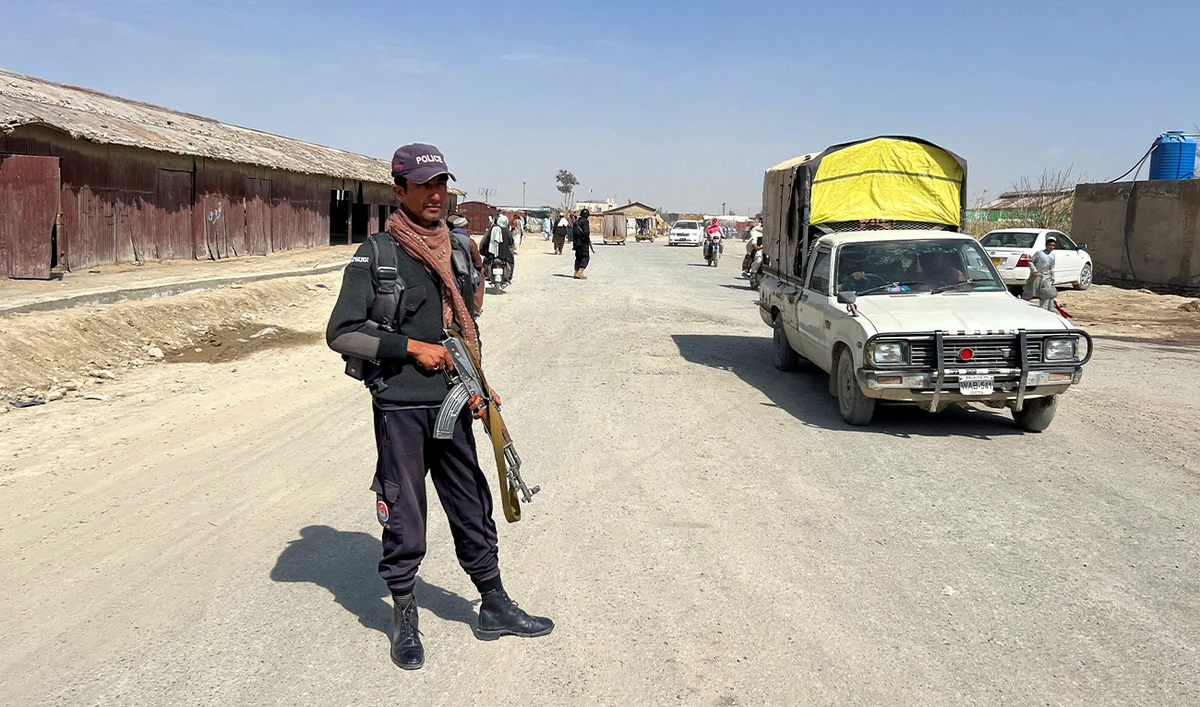
No group immediately claimed responsibility for the bomb attack, but passenger trains have often been targeted by Baloch separatist outfits in the restive Balochistan province that borders Sindh.

“Four bogies of the train were derailed due to the intensity of the explosion,” Kashif told Arab News. “No casualty was reported in the latest attack on passenger train.”

The Jaffar Express stands derailed near Abad Railway Station in Jacobabad following a blast on January 26, 2026. (AN Photo/Saadullah Akhtar)

Another railway employee, who was aboard the train and requested anonymity, said the train was heading toward Sukkur from Jacobabad when they heard the powerful explosion, which derailed power van among four bogies.

“A small piece of the railway track has been destroyed,” he said, adding that passengers were now standing outside the train and railway staffers were busy clearing the track.

In March last year, fighters belonging to the Balochistan Liberation Army (BLA) separatist group had stormed Jaffar Express with hundreds of passengers on board and took them hostage. The military had rescued them after an hours-long operation that left 33 militants, 23 soldiers, three railway staff and five passengers dead.

The passenger train, which runs between Balochistan’s provincial capital of Quetta and Peshawar in the country’s northwest, had been targeted in at least four bomb attacks last year since the March hijacking, according to an Arab News tally.

The Jaffar Express stands derailed near Abad Railway Station in Jacobabad following a blast on January 26, 2026. (AN Photo/Saadullah Akhtar)

Pakistan Railways says it has beefed up security arrangements for passenger trains in the province and increased the number of paramilitary troops on Jaffar Express since the hijacking in March, but militants have continued to target them in the restive region.

Balochistan, Pakistan’s southwestern province that borders Iran and Afghanistan, is the site of a decades-long insurgency waged by Baloch separatist groups who often attack security forces and foreigners, and kidnap government officials.

The separatists accuse the central government of stealing the region’s resources to fund development elsewhere in the country. The Pakistani government denies the allegations and says it is working for the uplift of local communities in Balochistan.