
JEDDAH: While passion is a key factor driving people toward success, a Saudi jeweler has taken an unorthodox approach in pursuing her dream.
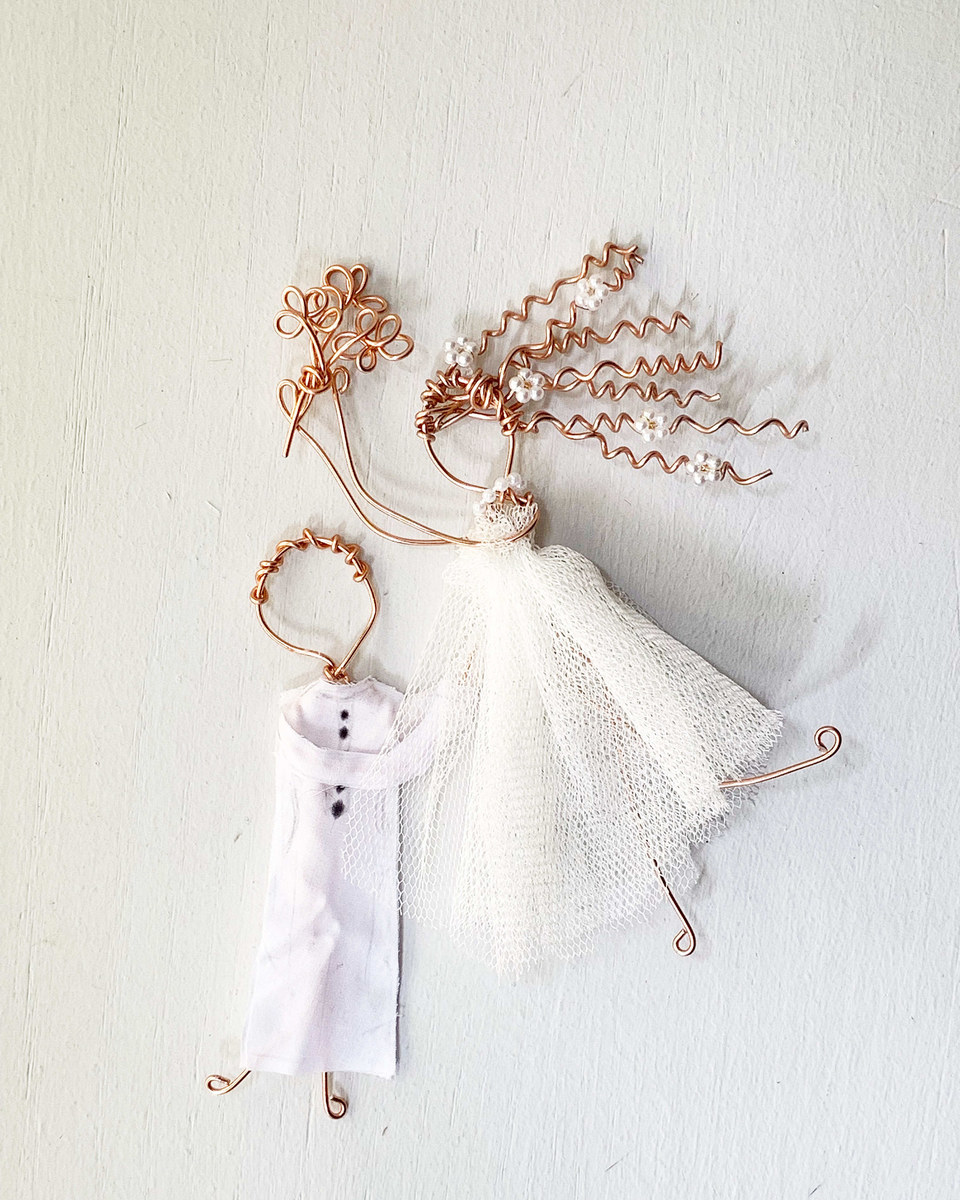
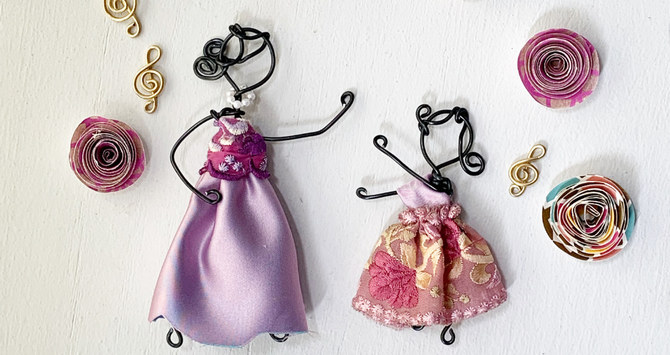
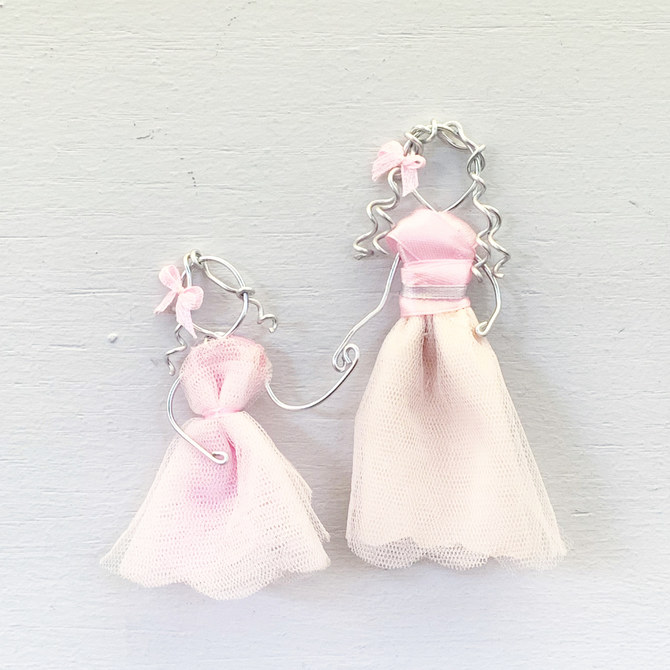
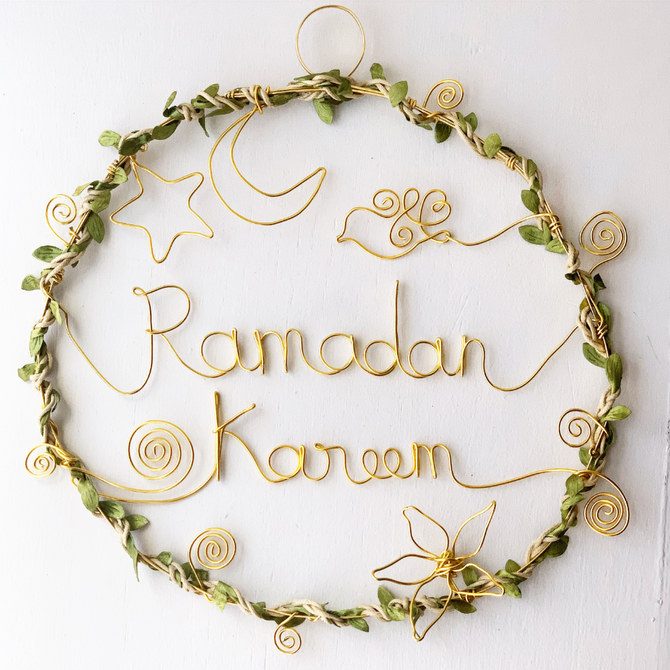
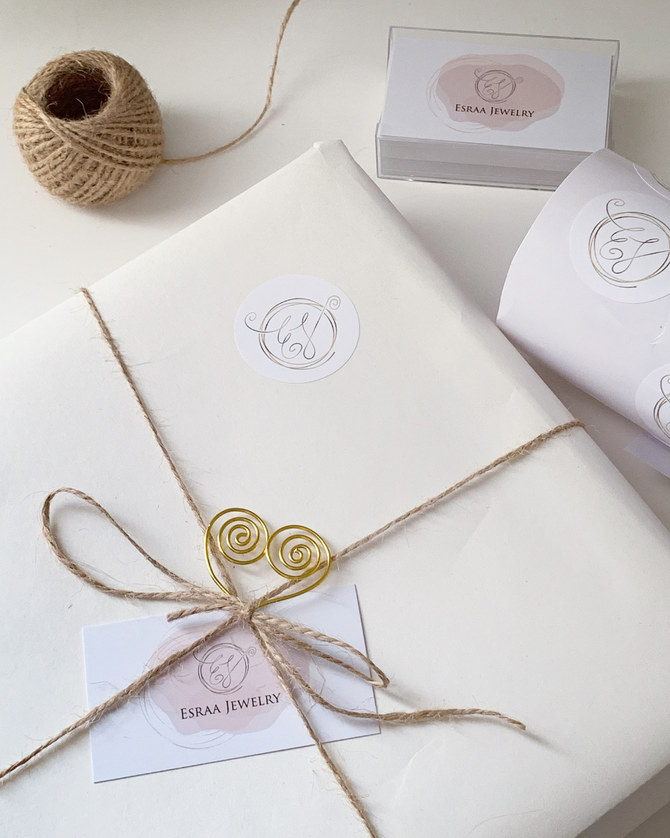
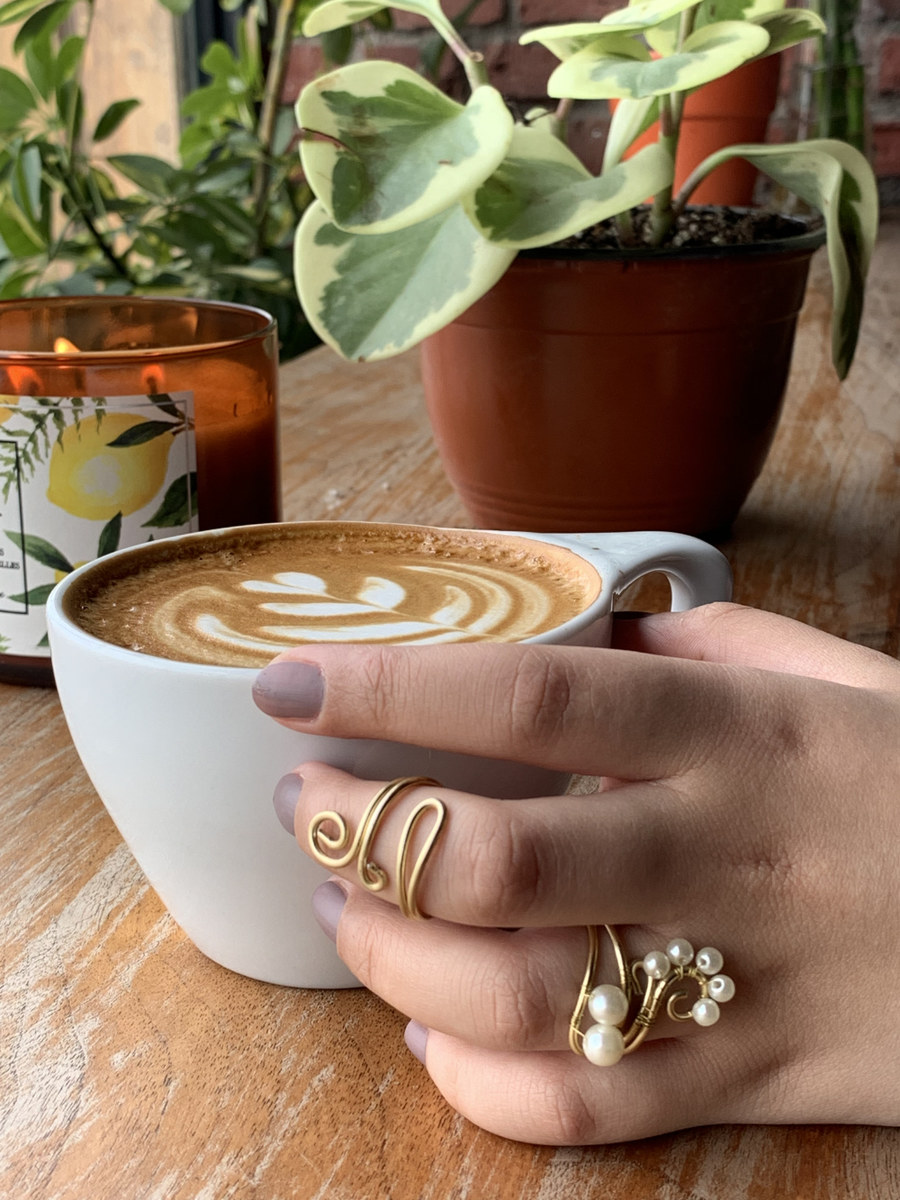
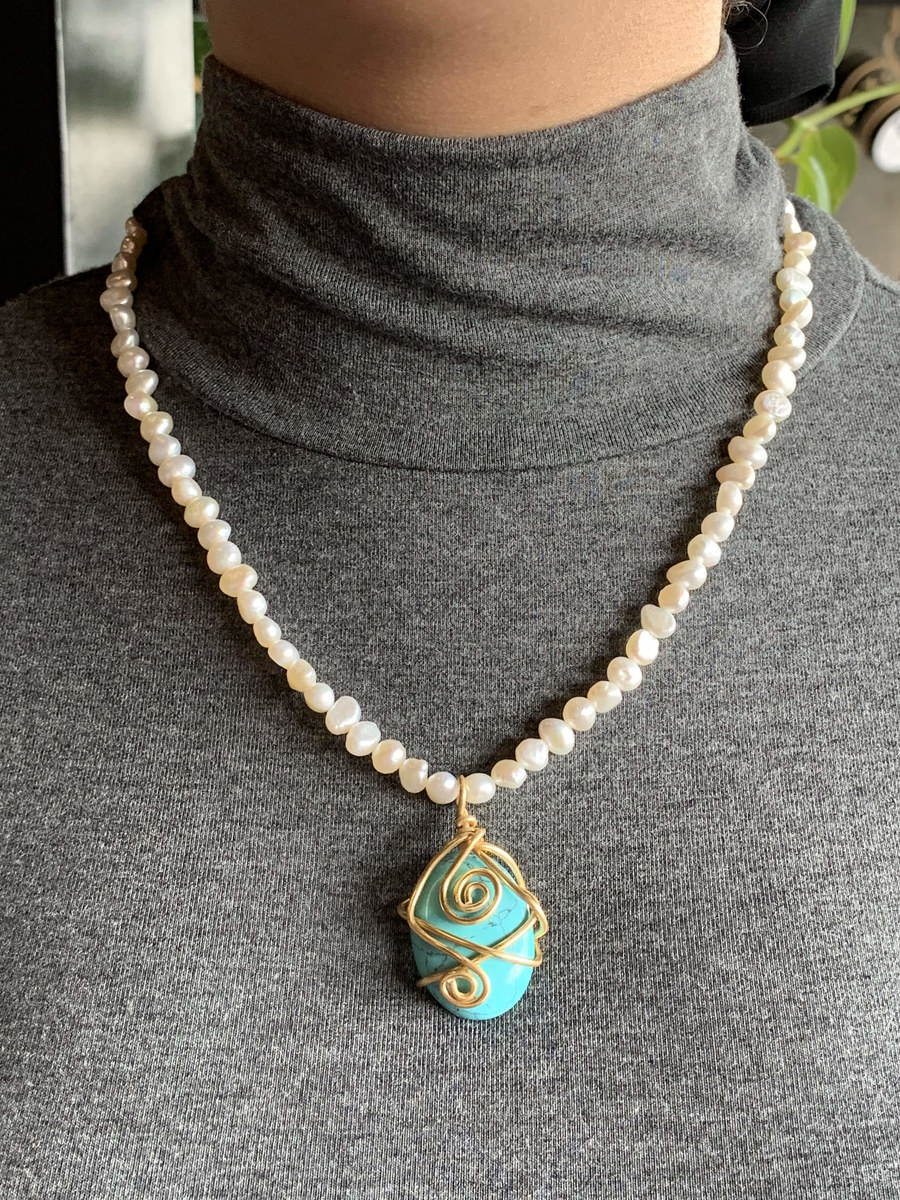
Esraa Eskobi, wife and mother, is the founder and owner of Wire Craft project, which provides hand-made gifts as part of its signature Esraa Jewelry range.
The art involves wrapping the wire, which can be made of copper, metal, gold or silver, using different techniques to produce a range of shapes, accessories and jewelry.
She also provides educational workshops to introduce the special craft to the public.
The 29-year-old jewelry designer and retailer has more than six years’ experience in the field. She has a bachelor’s degree in fashion and jewelry design and a master’s degree in fashion design.
“I came up with the idea for my project after receiving my bachelor’s degree. However, it was not until 2019 that the idea became a serious and funded project,” said Eskobi. “The first step was developing a blog where I published lessons on how to make hand-made jewelry.”
She opened an online store to sell jewelry-making tools so others would not face the same obstacle. She also wrote a book titled “Basics for Jewelry Making and Design” as a manual for trainees and an Arabic educational tool.
“I presented a new idea in my project, which is making wire-craft gifts in addition to making hand-made jewelry for special requests with unique designs that meet the needs and aspirations of each client,” she said.
The hand-made jewelry field is broad, Eskobi added, covering precious stones, beads and manual jewelry production.
She thought of organizing workshops after visiting local fashion and jewelry events that impressed her with creative designs and hand-made accessories made by Saudi women.
“But I was really saddened to see these beautiful pieces undermined due to their execution and finishing, also poorly reflecting the time and effort invested into making them,” Eskobi said.
The problem was to be expected, she added, given the lack of workshops and Arabic books in the field. This led her to focus on the educational aspect of the industry, despite the high demand for products.
At the beginning of her project, Eskobi said she needed a large amount of capital, given that her project started from home. She needed to import tools and cover the cost of designs and educational content.
Getting her project funded by investors was also difficult because of its uncertainty and unique nature.
“I decided to make it a family business and the project was funded by my biggest supporters — my mother, father and husband. My sister also helped me in following up on orders and social media pages. Freelance designers helped me in the drawing, designing and printing processes, and I was often offered the free help of close friends in services such as proofreading,” said the jeweler.
Shortly after launching her project, an investor who had previously refused to fund her workshops invited Eskobi to deliver a course encouraging women to start their own projects.
She has an online platform for product sales and another in development for remote training.
Her marketing relies on word of mouth and free educational content, as her team is still too small to handle many orders.
Eskobi’s hand-made gifts appeal to all ages, while her training focuses on female university and college students.
However, during the workshops held in cooperation with handicrafts centers, Eskobi met many young women who made accessories for their friends and older women who made them for granddaughters. This inspired her to offer training to all women aged over 13.
The remote workshops are now available to men interested in hand-made jewelry, too.
Eskobi said the pandemic has increased demand for her workshops and gifts for special occasions, including engagements, weddings, graduations and newborn celebrations.
As for her future plans, Eskobi hopes to achieve the goals of the Saudi Vision 2030 in supporting education in the Kingdom through training. She wants to nurture her special artistic craft which reflects Saudi heritage and adds to the distinguished arts movement.