- Human Rights Minister Shireen Mazari says abuse widespread, not the "monopoly" of any one party
- Sharing fake pictures and videos, threats of violence and attempts to hack accounts some of the intimidation tactics mentioned in joint statement
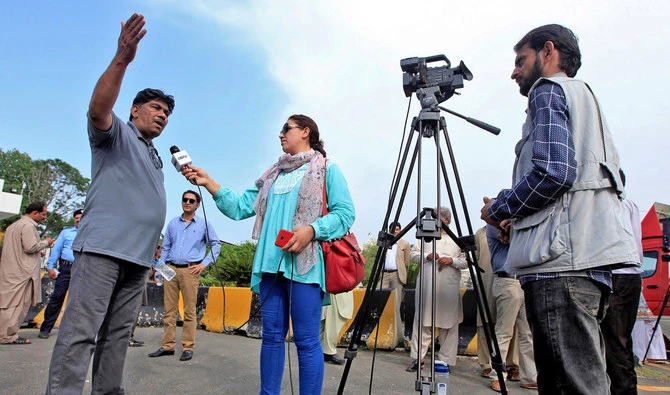
ISLAMABAD: A group of prominent Pakistani women journalists and activists have issued a statement this week demanding that the government take action against a “coordinated” campaign to attack and intimidate them on social media using accounts that openly declare allegiance with the ruling Pakistan Tehreek-e-Insaf (PTI) party.
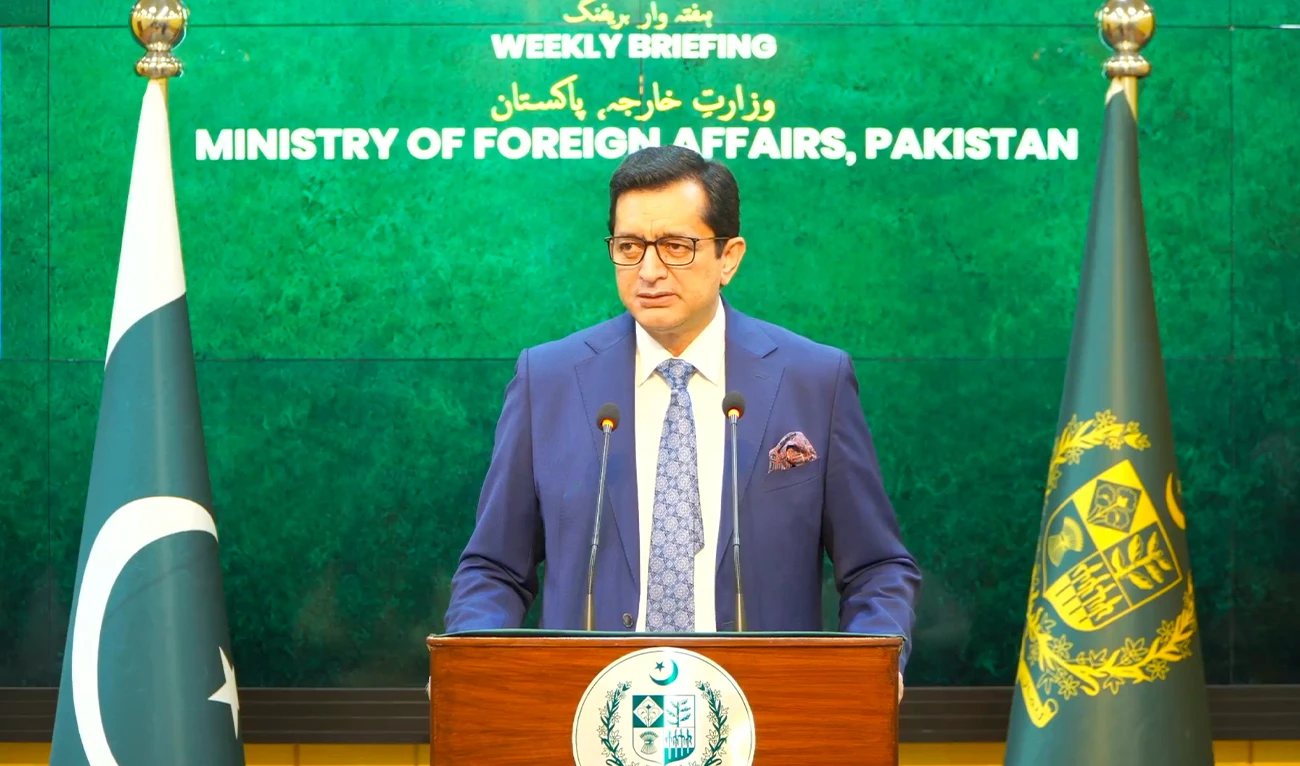
Although PTI has as yet not officially commented on the statement, Human Rights Minister Shireen Mazari said she was “disturbed” to learn of women journalists being targeted, adding that she had once again requested the information ministry to fast-track a journalist protection bill that is in the works.
In a separate tweet she added that online abuse was widespread and no one party had a “monopoly” over it.
The statement, which was released on social media, is signed by around 30 prominent women journalists and activists who said they were victims of a “well-defined and coordinated campaign … instigated by government officials and then amplified by a large number of Twitter accounts, which declare their affiliation to the ruling party.”
The statement highlights various forms of intimidation, including the sharing of personal details and ‘morphed’ pictures and videos, the use of gender-based slurs, threats of sexual and physical violence and attempts to hack accounts.
The statement puts out three demands: that the government restrain its members from targeting women in the media; send out a clear message to all party members, supporters and followers, to desist from launching attacks; and hold offenders accountable.
Planning minister and senior ruling party member Asad Umar took to Twitter to respond to the statement in a post that has drawn much flak for undermining the women’s complaints.
“Using abusive language against anyone.... Man or woman is wrong,” Umar said, adding, in a veiled attack on the women who had signed the statement: “Spreading fake news is wrong. Period. Labelling those who call out your fake news as abusers is wrong. Period. All these three things are happening. All three should be condemned.”
Although human rights minister Mazari expressed solidarity with women journalists in her first tweet, she also took to Twitter a few hours later to add:
“Let's also be clear that it is equally disgusting & unacceptable for women journalists to ridicule politicians' spouses & family mbrs - let us as women atleast uphold for others what we demand for ourselves: respect.”
Reporters without borders said in a tweet that it had “deep solidarity” with Pakistani women journalists under attack over their “critical work and their #gender.”
APP, Pakistan’s state news agency, reported on February 4 that the Economic Coordination Committee of the cabinet had approved the creation of a new digital media unit in the Ministry of Information and Broadcasting which would “effectively counter the fake and libellous news.” The creation of the new digital media unit has raised concerns the government is taking yet another step to curb press freedoms, which the government has denied.