ANKARA: The escalating price of gold in Turkey, in tandem with the global market and the decrease of purchasing power, has led to an influx of lower quality products from Syria.
One, an imitation known as “Syrian gold” due to its popularity with Syrian jewelers, has gone mainstream, having emanated from the jewelry markets of the southern city of Hatay on the Syrian border.
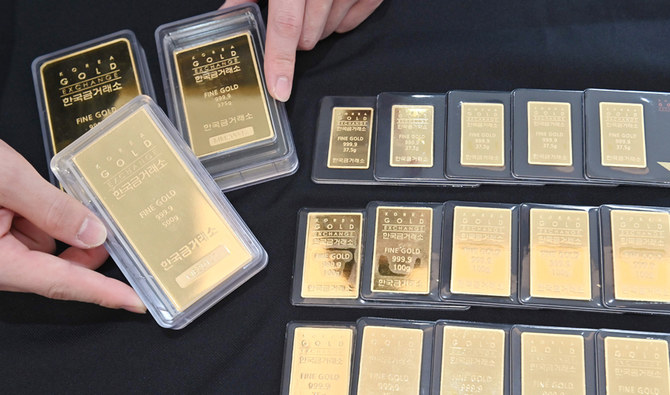
One gram of gold currently costs 437 lira ($62) in Turkey, up by almost two-fifths since January. Having reached near unaffordable levels, the prices have pushed people to turn toward metals with lower values for things such as wedding ceremonies, where pinning 22-karat gold coins and sets of gold jewelry on couples is a Turkish tradition.
Economist Umit Kumcuoglu said the increasing use of lower-alloy “Syrian gold” mainly derives from the need to preserve status and tradition, and would not produce a significant impact on the local economy because it was not a counterfeit product.
“In southeastern tribes, buying gold for wedding ceremonies is an established tradition, and people are inclined to continue this practice amid decreasing purchasing power due to the coronavirus disease outbreak and devaluation conditions in the country,” he told Arab News.
However, according to Kumcuoglu, the ongoing economic challenges, and especially skyrocketing inflation, could push some people to produce counterfeit gold in the future.
Turkey’s central bank became the world’s biggest official-sector buyer of gold in June, according to International Monetary Fund figures. In a bid to support the Turkish lira amid currency concerns, the bank increased its reserves by 890,000 ounces to a record level of 21.28 million in May.
As per the figures published by the World Gold Council, total central bank gold purchases were 139 tons in the first four months of 2020, with the lion’s share of these, 111 tons, coming from Turkey.


![]()

Decreasing purchasing power pushes Turks toward ‘Syrian gold’
Short Url
https://arab.news/wmjcs
Decreasing purchasing power pushes Turks toward ‘Syrian gold’
- Economist Umit Kumcuoglu said the increasing use of lower-alloy “Syrian gold” mainly derives from the need to preserve status and tradition, and would not produce a significant impact on the local economy because it was not a counterfeit product


Latest updates


© 2026 SAUDI RESEARCH & PUBLISHING COMPANY, All Rights Reserved And subject to Terms of Use Agreement.